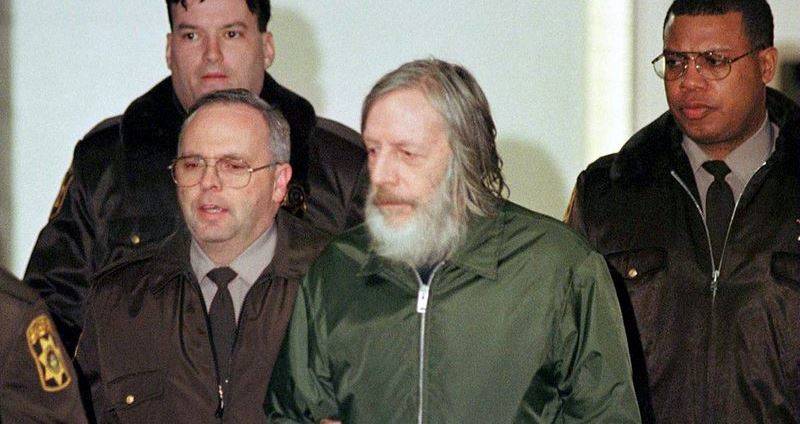
The story of Dave Schultz is a tragic one, a tale that intertwines the worlds of sports, ambition, and ultimately, devastating violence. Dave was a wrestling legend, an Olympian who had achieved greatness in the ring. He was known for his skill, his determination, and his charisma. When John E. du Pont, heir to the du Pont fortune, sought to create a powerhouse wrestling team at his Foxcatcher Farms estate, Dave was an obvious choice to lead it.
What began as an opportunity for success quickly turned into a nightmare. Du Pont’s mental state deteriorated after the death of his mother, and he became increasingly erratic and paranoid. His obsession with wrestling morphed into something sinister, demanding obedience and loyalty from his athletes in exchange for support. Dave, sensing the danger, tried to mediate and keep the peace, but ultimately couldn’t prevent the tragic outcome. In 1996, during a confrontation at Dave’s home, John du Pont shot and killed him. The world was stunned by what happened to Dave Schultz, a beloved athlete taken too soon.
The case of Dave Schultz died sent shockwaves through the sports community and beyond. It raised questions about mental health, power dynamics, and the dark side of ambition. Du Pont’s conviction for murder highlighted the dangers of unchecked wealth and influence, leaving behind a legacy of tragedy and unanswered questions. The story has been revisited in numerous documentaries and even an Oscar-nominated film, “Foxcatcher,” which further explored the complex relationship between du Pont and Dave’s brother, Mark.
John E. du Pont’s Obsession with Wrestling
John E. du Pont’s fascination with wrestling stemmed from a deep-seated regret. As a young man, he suffered an injury that prevented him from participating in the sport. This unfulfilled desire ignited a burning passion within him, a longing to be part of the world of athletic triumph and competition. He channeled his energy into building Foxcatcher Farms into a state-of-the-art training facility, complete with top-notch equipment and dedicated coaches, all aimed at creating a wrestling dynasty.
Du Pont saw himself as a visionary, pouring millions into USA Wrestling to elevate the sport to new heights. He envisioned a team of Olympic champions, athletes who would embody his ideals and bring him glory. This obsession consumed him, becoming more than just a financial investment; it was a personal crusade to reclaim the athletic dreams he had once held. Yet, his ambitions were fueled by an unhealthy mix of desire and delusion, blurring the lines between legitimate support and controlling manipulation.
He believed that through wrestling, he could find redemption for his past limitations and exert influence over those he viewed as skilled and worthy. This skewed worldview ultimately led to a destructive obsession that tragically claimed the life of Dave Schultz.
The Rise and Fall of Foxcatcher Farms
Foxcatcher Farms began as a symbol of John du Pont’s ambition and wealth. He transformed the sprawling estate into a wrestling haven, attracting some of the country’s top athletes with promises of state-of-the-art facilities and generous support. The farm became a training ground for Olympic hopefuls, buzzing with activity and fueled by du Pont’s unwavering dedication to creating a winning team. He envisioned Foxcatcher as more than just a wrestling facility; he wanted it to be a legacy, a testament to his vision and influence in the world of sports.
However, the idyllic facade quickly crumbled under the weight of du Pont’s erratic behavior. His paranoia grew, transforming the once welcoming environment into a tense and unpredictable space. He demanded unwavering loyalty from his wrestlers, imposing strict rules and isolating them from outside influences. The atmosphere shifted from one of camaraderie and shared purpose to a chilling sense of fear and manipulation.
This descent into madness ultimately culminated in tragedy. The rise and fall of Foxcatcher Farms became a cautionary tale, highlighting the dangers of unchecked ambition and the devastating consequences that can arise when power and obsession collide.
 Dillingers Last Words: The FBIs Capture of Public Enemy No. 1
A Twisted Worldview and Escalating Paranoia
John du Pont’s mental state deteriorated rapidly after his mother’s death, plunging him into a world of paranoia and delusion. His obsession with wrestling became intertwined with bizarre beliefs and twisted logic. He started seeing conspiracies everywhere, believing that people were out to undermine him or steal his vision for Foxcatcher Farms. These suspicions grew more intense, leading to increasingly erratic behavior and volatile outbursts.
He demanded absolute loyalty from the wrestlers under his control, viewing any dissent as a personal betrayal. Du Pont’s grip on reality tightened, causing him to isolate himself further and surround himself with yes-men who fueled his paranoia. He began issuing nonsensical orders, making unreasonable demands, and lashing out at anyone who dared to challenge his authority. This descent into madness created an atmosphere of fear and tension at Foxcatcher Farms, leaving the wrestlers trapped in a nightmare they couldn’t escape.
The tragic culmination of a twisted worldview and escalating paranoia was Dave Schultz’s death. In a moment of unhinged anger, du Pont shot and killed Dave, a beloved athlete who had tried to reason with him and maintain order within the chaotic world he had created.
The Fatal Confrontation and its Aftermath
The tension that had been building at Foxcatcher Farms for years finally boiled over on a snowy January day in 1996. John du Pont, consumed by paranoia and rage, confronted Dave Schultz at his home. The exact details of the confrontation remain unclear, but it quickly escalated into violence. Du Pont shot and killed Dave, a senseless act that shocked the world and left behind a legacy of grief and unanswered questions.
The news of Dave Schultz died sent shockwaves through the wrestling community and beyond. It was a stark reminder of the deadly consequences that can arise from unchecked mental illness and obsessive behavior. A hero had been taken too soon, leaving behind a void that could never be filled.
After a two-day standoff with police, du Pont surrendered, ending his reign of terror at Foxcatcher Farms. He was later found guilty of murder and sentenced to life in prison. The case served as a grim reminder of the fragility of human life and the devastating impact that mental illness can have on individuals and their surroundings.
Legacy of a Tragedy
The story of Dave Schultz and John du Pont’s tragedy continues to resonate today, serving as a chilling reminder of the complex interplay between ambition, mental illness, and the dark side of human nature.
Dave Schultz’s legacy lives on through his achievements in wrestling, inspiring generations of athletes with his dedication, skill, and sportsmanship. His untimely death brought an abrupt end to a promising career and left behind a void felt by his family, friends, and the entire wrestling community. The Foxcatcher case sparked important conversations about mental health awareness and the need for support systems for those struggling with personal demons. It also highlighted the dangers of unchecked power and the consequences that can arise when ambition outweighs empathy and reason.
The film adaptation of the story, while controversial for its portrayal of du Pont and Mark Schultz, ultimately brought renewed attention to this tragic saga. It serves as a powerful reminder that even within seemingly idyllic settings, darkness can prevail, leaving behind lasting scars on individuals and those around them.