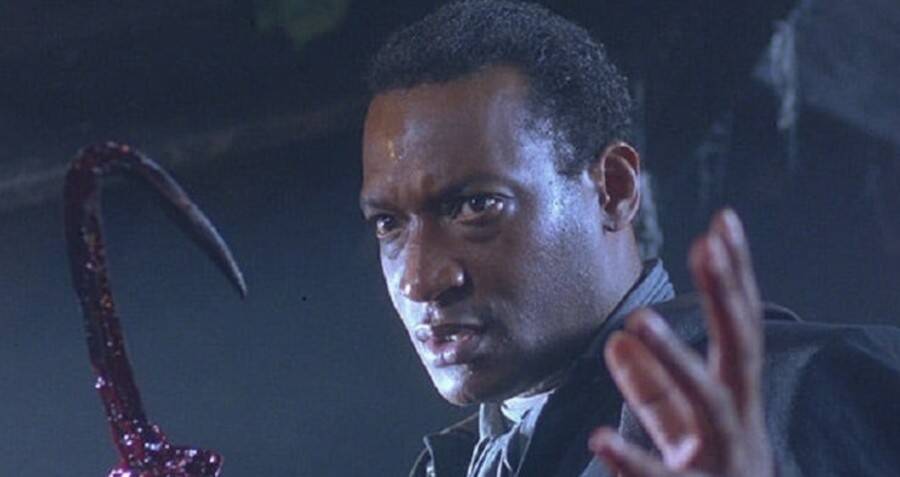
Let’s talk about something truly chilling: the story of Candyman. It’s a tale that blends real-life tragedy with urban legend, making it both terrifying and thought-provoking. Many people wonder if there’s any truth to the Candyman myth, if he really exists beyond the screen.
The thing is, while the vengeful ghost of Daniel Robitaille is fictional, his story echoes a very real history of racism and violence against Black Americans. He represents the systemic injustices that have plagued our communities for centuries, particularly the horrors inflicted upon interracial relationships. The film draws inspiration from these dark chapters, using fiction to shed light on these painful truths.
It’s important to remember that while the Candyman story is fictionalized, it uses real-world anxieties and fears as its foundation. It taps into our primal instincts about unseen dangers and the power of belief. That’s what makes it so effective – it holds up a distorted mirror to society, reflecting back our deepest fears and reminding us that sometimes, the line between fiction and reality can be dangerously thin.
The Real Story Behind the Legend
The legend of Candyman is deeply rooted in the real-life experiences of Black Americans. While the character itself is fictional, his story draws heavily from historical events and social anxieties that have plagued marginalized communities for generations.
Part of the inspiration for the Candyman myth came from a tragic event involving a young woman named Ruthie Mae McCoy. She lived in Chicago’s Cabrini-Green housing project and was murdered after calling the police to report someone trying to enter her apartment through the bathroom mirror. This real-life incident fueled the urban legend, adding another layer of terror to the already unsettling story.
Beyond this specific event, the Candyman myth reflects a broader fear of unseen forces and the consequences of racial injustice. He represents the collective trauma experienced by Black communities, a reflection of the systemic violence and oppression that continues to haunt our society.
Candyman and Systemic Racism
One of the most chilling aspects of the Candyman story is its reflection of systemic racism. The myth isn’t just about a vengeful ghost; it’s a metaphor for the very real dangers faced by Black people in America.
Daniel Robitaille, though fictional, stands as a symbol of those who have been unjustly targeted and murdered because of their race. His story highlights the deep-seated prejudice that has plagued our nation for centuries, and the ways in which it continues to manifest itself in modern society. The film uses horror to expose these uncomfortable truths, forcing us to confront the dark history of racial violence in America.
It’s a stark reminder that while progress has been made, the fight for equality is far from over. The Candyman myth serves as a powerful indictment of systemic racism, urging us to acknowledge its enduring legacy and work towards a more just future.
 What Happens When You Get Your Fingerprints Scanned
Urban Legends and Historical Tragedies
The Candyman story isn’t just about a creepy ghost; it weaves together elements of real-world tragedies with classic urban legends. This blend of fact and fiction adds another layer of depth and unsettling realism to the narrative.
Take, for instance, the legend of Bloody Mary or the Hookman – these chilling tales have haunted our collective imagination for generations, tapping into primal fears about unseen dangers lurking in the shadows. The filmmakers cleverly incorporate these familiar tropes into the Candyman myth, creating a sense of unease that resonates on a deeply personal level.
This merging of historical tragedies and urban legends highlights the power of storytelling to both reflect and shape our understanding of the world around us. It shows how real-life anxieties and fears can be amplified through folklore and passed down through generations, taking on new meanings and dimensions along the way.
Chicago’s Cabrini-Green: A Setting Rooted in Reality
The chilling setting of the Candyman films is no mere backdrop; it’s a crucial element that adds layers of authenticity and depth to the story. The filmmakers chose Cabrini-Green, a notorious Chicago housing project, as the stage for this urban legend, and for good reason.
Cabrini-Green wasn’t just any neighborhood; it was plagued by poverty, crime, and neglect throughout much of the 20th century. It became synonymous with social decay and the struggles faced by marginalized communities. By setting the story within these real-world confines, the filmmakers ground the supernatural horror in a tangible sense of place, making it all the more unsettling.
The history of Cabrini-Green is interwoven with the tapestry of the Candyman myth. It’s a reminder that sometimes, the most terrifying stories are rooted in the harsh realities of our world.
Facing the Terror of History
The power of the Candyman story lies in its ability to confront us with difficult truths about history and society. It’s not just a spooky tale; it’s a reflection on the enduring legacy of racism, violence, and social injustice.
While the vengeful spirit of Daniel Robitaille may be fictional, his story resonates with real-world experiences of oppression and marginalization. By placing these themes within a horror narrative, the filmmakers create a space for uncomfortable conversations about the past and its lasting impact on the present.
Ultimately, facing the terror of history means acknowledging its complexities and working towards a more equitable future. It’s a call to remember those who have been silenced and fight against the forces that perpetuate inequality.