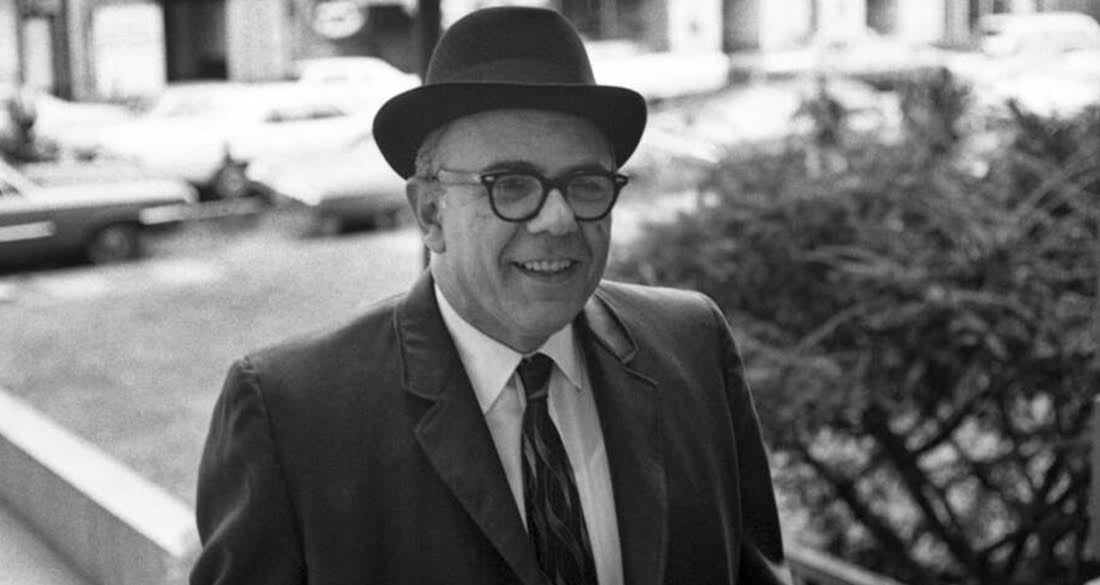
Let’s dive into the fascinating, albeit often dark, world of organized crime through the lens of Angelo Bruno, a figure who commanded respect and fear in equal measure. Angelo Bruno, born Angelo Annaloro in Sicily, eventually earned the moniker “The Gentle Don” for his leadership style within the Philadelphia mob. This wasn’t simply about bloodshed; Bruno was a shrewd businessman who recognized the potential for profit beyond the traditional rackets. Under his rule, which spanned from 1959 to his assassination in 1980, he transformed the underworld into a more sophisticated and lucrative enterprise.
Bruno’s influence extended far beyond Philadelphia’s borders. He cultivated relationships with influential figures like Russell Bufalino and Frank “The Irishman” Sheeran, both of whom played pivotal roles in shaping the landscape of organized crime in America. Sheeran, in particular, made sensational claims about carrying out hits for Bruno, adding another layer to the already complex narrative surrounding The Gentle Don’s reign.
Bruno himself was never convicted of murder, despite being suspected of involvement in Jimmy Hoffa’s disappearance. Both Sheeran and Bruno had reportedly been connected to Hoffa and his powerful role within the Teamsters union, making their potential involvement all the more intriguing.
The Gentle Don: Angelo Bruno’s Reign
Bruno’s nickname, “The Gentle Don,” wasn’t just a PR stunt – it reflected a genuine approach to leadership that set him apart from his contemporaries. While he certainly commanded respect and wouldn’t hesitate to deal with threats, Bruno prioritized business acumen over brute force. He understood the value of cultivating relationships, both within and outside the criminal underworld. This pragmatic style allowed him to build a network of allies and expand his influence across various industries, turning the Philadelphia mob into a legitimate (or at least seemingly legitimate) power player in the city.
Bruno’s reign wasn’t without its challenges, of course. The constant threat of rival factions, law enforcement pressure, and internal power struggles were ever-present realities. But Bruno navigated these treacherous waters with a combination of cunning, ruthlessness when necessary, and a surprising ability to build consensus within his ranks. He fostered an atmosphere of loyalty and respect, which was crucial for maintaining control over the sprawling criminal enterprise he had built.
You could argue that Bruno’s success stemmed from a keen understanding of the changing times. By focusing on legitimate businesses, diversifying their operations, and cultivating connections with influential figures in politics and finance, he effectively blurred the lines between organized crime and mainstream society. This adaptation allowed him to operate with greater impunity and amass immense wealth and power within Philadelphia’s underworld.
From Sicily to Philadelphia: A Rise to Power
Angelo Bruno’s story is one of ambition, transformation, and a relentless pursuit of power. Born Angelo Annaloro in Sicily, he arrived on American shores with a dream – to carve his own destiny in the burgeoning underworld of Philadelphia. He quickly learned the ropes, immersing himself in the local criminal scene and proving his worth through loyalty and street smarts.
His early years were marked by hard work and dedication, climbing the ranks within organized crime circles until he finally ascended to become the undisputed boss of the Philadelphia Mafia in 1959. This wasn’t a simple rise to power; Bruno had to navigate a complex web of alliances, rivalries, and betrayals that defined the world he inhabited. But his calculated moves, shrewd decision-making, and ability to build trust (or at least the appearance of it) set him apart from his peers.
Bruno’s transformation from a Sicilian immigrant to Angelo Bruno, “The Gentle Don,” was nothing short of remarkable. He embodied the American dream in its most twisted form – a testament to ambition, resilience, and the allure of power within the shadows of organized crime.
Business Over Violence: Bruno’s Mob Strategy
While the image of a ruthless mob boss might immediately spring to mind, Angelo Bruno’s approach to leadership was surprisingly different. He understood that true power came not just from fear but also from control and profit. Bruno believed in maximizing returns and minimizing risks, steering the Philadelphia mob away from senseless violence and towards more lucrative ventures.
He saw opportunities where others saw only danger. Bruno invested in legitimate businesses like construction, waste management, and even restaurants, channeling illicit funds into these fronts to create a veneer of respectability. This strategic diversification allowed him to build an empire that operated both above and below the law, generating vast sums of money while reducing his exposure to law enforcement scrutiny. Bruno’s focus on business acumen set him apart from many of his contemporaries who relied solely on intimidation and violence for control.
This shift towards a more calculated and sophisticated approach to organized crime wasn’t just about making more money; it was also a way to secure a lasting legacy. By building a network of legitimate businesses, Bruno aimed to create a system that could withstand the inevitable pressures from law enforcement and rival factions. He wanted his mob to be seen as a force to be reckoned with, not just for its ruthlessness but also for its intelligence and adaptability.
Connections to Hoffa and the Teamsters Union
The disappearance of Jimmy Hoffa in 1975 remains one of the most infamous unsolved mysteries in American history. While no conclusive evidence has ever emerged to pinpoint exactly what happened to the powerful Teamsters leader, several theories have circulated over the years, often linking him to organized crime figures like Angelo Bruno.
Both Sheeran and Bruno were reportedly connected to Hoffa and the Teamsters union during their respective ascents to power. Sheeran’s own claims of carrying out hits for Bruno added another layer of intrigue to this web of connections. While these connections were never concretely proven in court, they fueled public speculation about Bruno’s potential role in Hoffa’s disappearance. Did Bruno order a hit on Hoffa? Was he simply a peripheral figure caught in the crosshairs of a power struggle within the Teamsters? The truth, as always, likely lies somewhere in between, buried beneath layers of secrecy and conflicting accounts.
The mystery surrounding Hoffa’s vanishing cast a long shadow over Bruno’s reign and cemented his place within the annals of organized crime lore. Whether he was directly involved or merely privy to information about Hoffa’s fate remains a tantalizing question that continues to fascinate historians, true-crime enthusiasts, and anyone interested in the shadowy world of mobsters and their secrets.
The Legacy of a Controversial Figure: Bruno’s Final Days
By the late 1970s, cracks were beginning to show in Bruno’s seemingly impenetrable empire. Internal power struggles, rival factions vying for control within the Philadelphia mob, and increased pressure from law enforcement began to unravel the carefully constructed world he had built. The seeds of his downfall were sown by a combination of factors both internal and external, ultimately culminating in his assassination on March 21, 1980.
Bruno’s murder was a watershed moment for organized crime in Philadelphia. It triggered a violent gang war that raged for years, as rival factions battled for control of Bruno’s territory and their respective interpretations of his legacy. This period of instability saw brutal killings, betrayals, and power grabs that ultimately led to the fragmentation and decline of the once-mighty Philadelphia mob.
Despite his controversial life and suspected involvement in numerous crimes, Bruno left behind a complex and often contradictory legacy. Some remembered him as a shrewd businessman who kept organized crime relatively contained within Philadelphia’s borders. Others saw him as a ruthless gangster who orchestrated violence and terrorized innocent lives. Ultimately, Angelo Bruno remains an enigmatic figure – a powerful symbol of the allure and dangers of organized crime in America. His story continues to fascinate and intrigue us, reminding us that even in the darkest corners of society, ambition, power, and betrayal can ultimately lead to self-destruction.