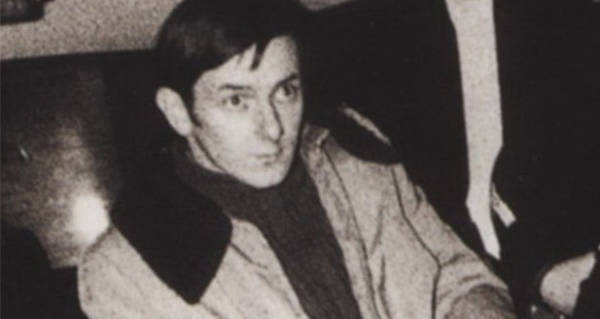
Alain Lamare was once a respected member of the gendarmerie, dedicated to upholding the law and ensuring public safety. However, his life took a dark turn, leading him down a path that shocked those who knew him and the community he served.
This article explores the chilling transformation of Alain Lamare: The Gendarme Who Became a Serial Killer, delving into the complexities of his psyche and the events that precipitated his descent into a life of crime. As we unravel the details, we aim to understand how a protector became one of society’s most notorious threats.
The Early Life of Alain Lamare: From Gendarme to Infamous Criminal
Alain Lamare’s early life was marked by his aspirations to serve and protect. Growing up in a small town, he developed a strong sense of duty instilled by his family, who valued law enforcement. His formative years were filled with experiences that shaped his character, including:
- A strong emphasis on discipline and order.
- Participation in local community services.
- Interactions with law enforcement officers that inspired him.
After joining the gendarmerie, Lamare’s dedication quickly became evident. He earned a reputation as a diligent officer, respected by his peers and the community. His commitment to public safety and crime prevention solidified his position as a trusted figure. However, beneath this facade lay unresolved personal issues that began to surface, hinting at a more troubled psyche.
As he navigated the challenges of police work, Lamare confronted various stressors that began to warp his sense of morality. The demands of the job, combined with his personal struggles, contributed to a growing disconnect from the values he once held dear. Over time, the very traits that made him a commendable gendarme began to erode, foreshadowing his eventual transformation into a criminal.
By examining Lamare’s early life and career, one can trace the early warning signs that preceded his infamous actions. The duality of his existence as a gendarme and the emerging darkness within him raises critical questions about the factors that can lead an individual to commit atrocities. Understanding this complex trajectory is crucial in comprehending the larger narrative of a man who went from serving the law to breaking it.
Understanding the Criminal Mind: What Drove Alain Lamare to Kill?
Understanding the criminal mind of Alain Lamare requires a deep dive into the psychological factors that may have contributed to his drastic transformation. Several elements can shed light on what drove him to kill, including:
- Childhood Trauma: Early experiences of distress and instability can profoundly impact mental health, leading to violent tendencies in adulthood.
- Job-Related Stress: The pressures associated with police work can exacerbate existing mental health issues, creating a volatile mix of stress and emotional turmoil.
- Personality Disorders: There may have been underlying psychological conditions that influenced his behavior, such as antisocial personality disorder.
Another aspect to consider is the concept of a moral disconnection. As Lamare faced the realities of crime and violence, he may have developed a distorted perception of right and wrong, justifying his actions in his mind. This dissonance is not uncommon among those who lead double lives, as the internal struggle can lead to a breakdown of previously held beliefs.
The role of social isolation cannot be overlooked either. As a gendarme, Lamare was likely surrounded by colleagues; however, if he felt misunderstood or alienated, it could have intensified feelings of loneliness. This isolation may have driven him further into darkness, as he sought to escape his pain through destructive acts.
 Amarjeet Sada: The Worlds Youngest Serial Killer
Ultimately, understanding what drove Alain Lamare to kill involves piecing together a complex puzzle of psychological distress, professional pressures, and personal history. By examining these factors, we can gain insights into not only Lamare’s actions but also the broader implications for understanding criminal behavior in society.
The Investigation: How Authorities Uncovered Alain Lamare’s Crimes
The investigation into Alain Lamare’s crimes began with the discovery of multiple unsolved disappearances in the region he patrolled. Authorities quickly connected the dots, leading them to scrutinize Lamare’s activities. Key moments in the investigation included:
- Witness Testimonies: Local residents began to report sightings of Lamare near crime scenes.
- Behavioral Red Flags: His colleagues noted changes in his demeanor, raising suspicions within the gendarmerie.
- Forensic Evidence: DNA samples collected from crime scenes matched Lamare, providing crucial evidence against him.
As the investigation unfolded, detectives employed various strategies to build a case against Lamare. They analyzed his work schedule, looking for overlaps with the timeline of each disappearance. Additionally, they executed searches of his property, which yielded disturbing findings that hinted at his dual life. The use of technology, including:
- Surveillance Footage: Captured images that placed Lamare at key locations.
- Cell Phone Tracking: Revealed patterns of movement consistent with the crime scenes.
As authorities pieced together the evidence, they confronted Lamare with their findings. The sheer volume of incriminating evidence ultimately led to his arrest, shocking the community who once viewed him as a protector. This investigation not only uncovered the heinous acts committed by Lamare but also highlighted systemic issues within law enforcement that can allow such transformations to occur unnoticed.
Victims of Alain Lamare: A Closer Look at His Atrocities
Alain Lamare’s victims were often vulnerable individuals, whose lives were tragically cut short by his malevolent actions. Among those targeted were young women, some with troubled pasts, making them easier prey for a predator disguised as a protector. His choice of victims reveals a disturbing pattern, highlighting a chilling predilection for exploiting those who were marginalized in society.
Many of Lamare’s victims bore the hallmarks of a calculated strategy. The following factors characterized his selection process:
- Isolation: Many of his victims were last seen alone, suggesting Lamare preyed on their vulnerability.
- Location: He often chose secluded areas for his crimes, minimizing the chance of being caught.
- Age Group: A significant number of his victims were in their late teens to early twenties, coinciding with his predatory inclinations.
The aftermath of Lamare’s crimes left a profound impact on the families of his victims and the community at large. The loss created a vacuum of pain and confusion, as loved ones struggled to comprehend the horrors inflicted by someone they once trusted. This tragedy highlights not only the personal toll but also the broader implications of allowing individuals with hidden darkness to operate within roles meant for safeguarding society.
In exploring the atrocities committed by Alain Lamare, one must confront the uncomfortable reality of how a figure of authority can become a conduit for evil. His victims serve as a stark reminder of the fragility of safety and the dire consequences when those tasked with protection turn into agents of violence. Understanding their stories is crucial to acknowledging the full extent of Lamare’s heinous legacy.
The Legal Proceedings: Trials and Sentencing of Alain Lamare
The legal proceedings against Alain Lamare began with his arrest in connection to a series of unsolved disappearances. The evidence gathered during the investigation was overwhelming, leading to multiple charges, including murder and kidnapping. The court hearings revealed a chilling account of his crimes, drawing widespread media attention as the community grappled with the betrayal of a former protector turned predator.
During the trial, prosecutors presented a robust case that highlighted not only the forensic evidence, including DNA matches, but also detailed witness testimonies that described Lamare’s suspicious behaviors. Victim impact statements were particularly poignant, as families recounted the pain and loss inflicted by Lamare’s actions. The emotional weight of these testimonies played a crucial role in shaping the court’s perspective on his heinous deeds.
Ultimately, Alain Lamare was found guilty on multiple counts and sentenced to life in prison without the possibility of parole. The judge’s decision emphasized the severity of his crimes and the need for justice for the victims and their families. The case prompted discussions about systemic failures within law enforcement that allowed Lamare’s dual life to persist undetected for so long.
As the legal proceedings concluded, the ramifications of Lamare’s actions echoed throughout the community, serving as a stark reminder of the complexities of trust and the potential for darkness within those sworn to protect. The trial not only addressed the horrific acts committed but also sparked a dialogue on the importance of vigilance regarding those in positions of authority, ensuring that such betrayals of trust do not happen again.
The Impact of Alain Lamare’s Crimes on French Society and Law Enforcement
The crimes committed by Alain Lamare sent shockwaves through French society, prompting a profound reevaluation of trust in law enforcement. Many residents felt a sense of betrayal, realizing that someone tasked with their protection was, in fact, a predator. As a result, public discussions emerged surrounding the psychological profiles of officers and the need for better mental health support within police forces.
Additionally, Lamare’s actions highlighted significant gaps in the accountability mechanisms of law enforcement agencies. The community began to advocate for reforms, aimed at enhancing oversight and ensuring that individuals in positions of authority could be monitored more effectively. This led to the implementation of new training programs focusing on ethics and psychological evaluations for officers, designed to prevent similar incidents in the future.
Moreover, the aftermath of Lamare’s crimes ignited a national conversation about public safety and the role of police in society. Citizens demanded greater transparency and engagement from law enforcement, emphasizing the importance of community trust. The case served as a stark reminder of the potential dangers posed by individuals who, despite their roles as protectors, can embody the very threats they are meant to combat.
In the wake of Lamare’s conviction, a significant transformation occurred within the French legal system. The case became a catalyst for legislative changes, including stricter penalties for those in law enforcement who commit crimes. These reforms not only aimed to deliver justice for Lamare’s victims but also sought to restore faith in a system that had faltered under the weight of betrayal, ensuring that the legacy of Lamare’s actions would lead to meaningful progress in safeguarding society.