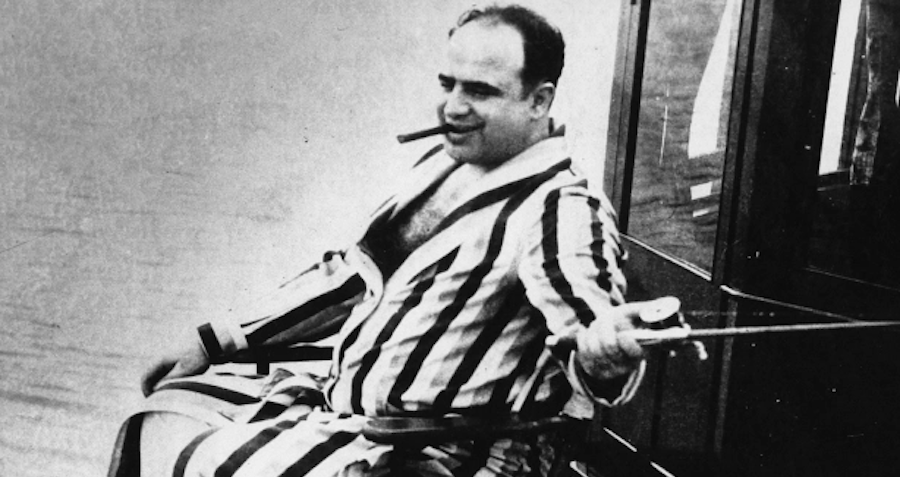
Al Capone, one of the most notorious gangsters in American history, faced a tragic decline in his later years, largely due to the ravages of syphilis. Once a powerful figure in organized crime, Capone’s health deteriorated, revealing the devastating impact of a disease that often went untreated during his time.
The story of his final days offers a poignant glimpse into the human side of this infamous figure, highlighting the irony of a man who wielded so much power yet succumbed to an illness that betrayed him. In exploring Al Capones Last Days: Syphilis Devastating Impact, we uncover the stark realities of his decline, illustrating how personal health struggles can overshadow even the most formidable legacies.
The Final Years of Al Capone: A Struggle with Syphilis
In the final years of his life, Al Capone faced a relentless battle against syphilis, a disease that profoundly affected both his mental and physical health. His once formidable intellect began to wane, resulting in significant cognitive decline. The infamous gangster, once sharp and calculating, struggled with memory loss and confusion, showcasing the brutal reality of untreated syphilis and its long-term effects on the brain.
As Capone’s health deteriorated, his lifestyle shifted dramatically. He transitioned from a life of luxury and crime to one marked by isolation and dependency on others. His days were filled with moments of reflection, often overshadowed by the harsh truths of his condition. Friends and family observed his transformation, recognizing the toll syphilis took on the man who had once ruled Chicago with an iron fist.
- Declining Health: Capone suffered from severe neurological problems, including dementia.
- Isolation: His social circle shrank as his illness progressed.
- Legacy: Despite his criminal empire, syphilis ultimately claimed his vitality.
Capone’s struggle with syphilis serves as a poignant reminder of the vulnerability of even the most powerful individuals. His legacy, often defined by violence and crime, is complicated by the personal battles he faced in his later years. This tragic chapter in his life emphasizes that the consequences of untreated health issues can overshadow even the most illustrious careers.
How Syphilis Affected Al Capone’s Health and Legacy
The impact of syphilis on Al Capone’s health was profound, leading to a dramatic decline in his physical and mental capabilities. By the time he was diagnosed, the disease had already caused significant damage, resulting in severe complications such as cardiovascular issues and neurological disorders. This deterioration not only affected his daily life but also marked a stark contrast to the formidable figure he once was, illustrating the indiscriminate nature of illness.
As his condition worsened, Capone became increasingly reclusive, retreating from the public eye and relying heavily on his family and caretakers. This isolation was a painful reflection of a life that had once been filled with power and influence. Friends who had once admired his charisma now saw a man whose vitality had been stripped away, underscoring the tragic irony of his circumstances.
- Neurological Decline: Capone experienced symptoms of dementia, which severely limited his cognitive functions.
- Social Withdrawal: The disease forced him into a life of solitude, with few remaining connections to his former world.
- Enduring Legacy: Capone’s reputation as a gangster is forever intertwined with the devastating effects of syphilis on his personal life.
Ultimately, syphilis not only ravaged Al Capone’s health but also cast a long shadow over his legacy. The once-feared crime boss became a poignant example of how untreated diseases can diminish even the most powerful individuals. His story serves as a reminder of the fragility of life and the irreversible consequences that can arise from neglecting one’s health.
The Impact of Syphilis on Al Capone’s Criminal Empire
As Al Capone’s battle with syphilis progressed, the impact on his criminal empire became evident. The once effective leader experienced significant declines in decision-making abilities, hampering his ability to manage operations and assess threats. His waning health led to vulnerabilities within his organization, creating an environment where rivals could exploit his weakened state.
 How Rich Was Al Capone? Capones Net Worth & Fortune Exposed
The effects of syphilis on Capone’s criminal operations were multifaceted, including:
- Leadership Vacuum: His deteriorating mental state hindered his ability to lead effectively.
- Operational Disarray: Increased chaos within his ranks as subordinates struggled to adapt to his absence.
- Increased Rival Activity: Competitors took advantage of Capone’s weakened condition to challenge his authority.
The decline of Capone due to syphilis not only diminished his power but also disrupted the intricate network he had built. As his health deteriorated, loyalty diminished among his associates, leading to fractures in what was once a formidable crime syndicate. The disease transformed Capone from a feared leader into a vulnerable figure, illustrating how quickly fortune can change.
Ultimately, the devastating impact of syphilis on Al Capone’s empire serves as a powerful reminder of the fragility of power. His story reflects the harsh reality that even the most ruthless criminals are not immune to the consequences of untreated health issues, which can unravel empires and legacies built on fear and control.
Understanding the Symptoms of Syphilis in Al Capone’s Last Days
Understanding the symptoms of syphilis during Al Capone’s last days reveals the profound impact the disease had on his overall well-being. One of the most significant symptoms was the onset of neurological issues, leading to confusion and mood swings. As his syphilis progressed, Capone experienced difficulties in concentrating, showcasing how the disease can disrupt not only physical health but also cognitive functions.
Capone’s mental decline was accompanied by physical manifestations of the disease, including possible skin lesions and cardiovascular complications. These symptoms further exacerbated his already deteriorating health, highlighting the brutal reality of his condition. Family members noted his increasingly fragile state, illustrating the stark contrast between his former robust persona and the man he became.
- Cognitive Impairment: Memory loss and disorientation became common as syphilis affected his brain.
- Physical Decline: Symptoms such as fatigue and general weakness became apparent.
- Emotional Changes: Mood swings and depression altered his interactions with loved ones.
Ultimately, the symptoms of syphilis that plagued Capone serve as a testament to the disease’s devastating effects. His fight against the illness was not just a personal struggle; it was a poignant reflection of how untreated diseases can overshadow one’s legacy. Al Capone’s last days underscore the critical importance of health awareness and the profound consequences that can arise from neglecting medical issues.
Al Capone: The Untold Story of His Battle with Syphilis
Al Capone’s battle with syphilis provides a deeper insight into the paradox of a man once feared and respected, now reduced to a shadow of his former self. The disease, which he contracted in his youth, gradually unraveled the powerful image he had cultivated. By the time he was diagnosed, neurological complications had taken a toll on his cognitive abilities, transforming the sharp-witted gangster into a man plagued by confusion and disorientation.
This decline was not merely physical; it seeped into every aspect of his life. Capone’s once-celebrated charisma faded as his mental faculties deteriorated, leading to a painful withdrawal from social interactions. Friends and associates, once drawn to his magnetic personality, witnessed the tragic transformation as Capone grappled with the effects of untreated syphilis. The irony is striking—while he commanded a criminal empire, he found himself powerless against a disease that would ultimately dictate his fate.
In his final years, Al Capone’s battle with syphilis also highlighted the stigma surrounding sexually transmitted infections during his time. The lack of medical understanding and treatment options left many, including Capone, to suffer in silence. This societal ignorance compounded the personal tragedy of his condition, leaving him isolated in his suffering. His story underscores the importance of health awareness and the need for open discussions about sexual health, even among those in positions of power.
Ultimately, Al Capone’s struggle with syphilis serves as a haunting reminder of how health issues can diminish even the most formidable figures. The disease not only ravaged his body and mind but also served to dismantle the empire he had built through fear and violence. His legacy, now intertwined with the devastating consequences of untreated illness, reveals a more human side to the notorious gangster, one defined by vulnerability and the harsh realities of life.
The Role of Syphilis in Al Capone’s Downfall
Syphilis played a crucial role in Al Capone’s downfall, contributing to the disintegration of his once-mighty persona. As the disease progressed, it compromised his cognitive functions, leading to erratic behavior and poor decision-making. This decline not only affected Capone’s ability to run his criminal empire but also alienated him from loyal associates who had once respected his leadership.
The effects of syphilis were not limited to Capone’s mental capabilities; they extended to his physical health as well. He suffered from debilitating symptoms that diminished his strength and stamina, further isolating him from the vibrant social life he once enjoyed. The stark contrast between his past and present underscores how an untreated illness can profoundly alter the course of a person’s life.
- Declining Mental Acuity: Capone’s ability to think strategically eroded, making him vulnerable to rivals.
- Physical Deterioration: Symptoms diminished his strength, leading to increased dependency on others.
- Social Isolation: The disease forced him into seclusion, alienating him from his former circle.
Ultimately, the role of syphilis in Al Capone’s life serves as a sobering reminder of the impact that health can have on power and legacy. His descent into a frail state illustrates that even those who once commanded fear and respect can fall victim to the consequences of neglecting their health, revealing a vulnerable side to a figure often remembered for his ruthlessness.