History often remembers the grand victors, the ruthless conquerors, and those who leave behind a legacy of undeniable impact. But what about the figures who exist in the shadow of their more famous siblings? Figures whose lives are interwoven with power struggles, political intrigue, and personal choices that ultimately shape their destinies?
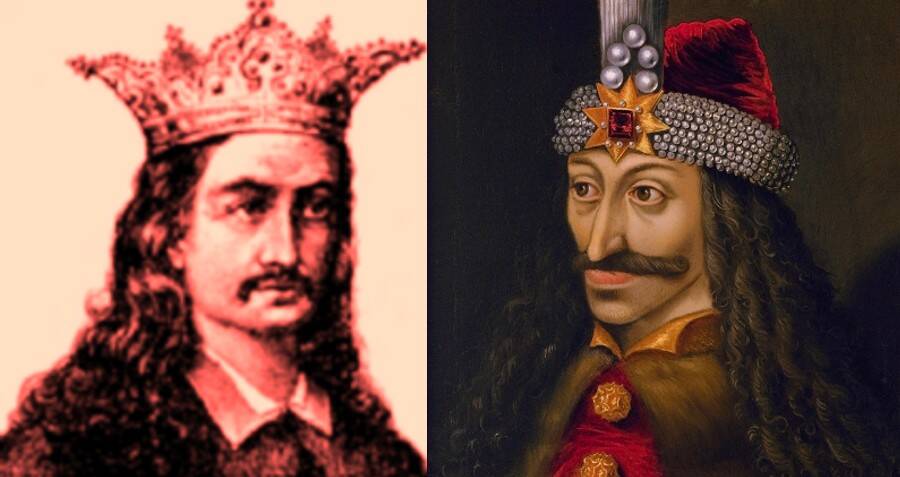
Enter Radu III, also known as Radu Dracula, brother to the infamous Vlad the Impaler. This is not a story of bloodthirsty conquests or legendary cruelty, but rather one of complex alliances, shifting loyalties, and a life lived under the constant weight of his brother’s notorious fame. Born in 1438, Radu’s path diverged dramatically from Vlad’s as they were taken hostage by the Ottoman Empire. While Vlad endured alleged torture and witnessed executions, shaping him into the ruthless ruler he became, Radu embraced the Ottoman culture and converted to Islam. This fateful decision would forever alter his trajectory.
Imagine being raised in a world vastly different from your family’s, immersed in a new culture, learning their customs and beliefs. Radu’s life became a tapestry woven with threads of both Wallachian heritage and Ottoman influence. He formed a relationship with Mehmed II, the future Sultan, who some accounts suggest even propositioned him during his reign. This connection proved influential as Radu participated in the conquest of Constantinople alongside Mehmed. It was a pivotal moment that would forever bind Radu to the Ottoman Empire and set the stage for a tumultuous return to his homeland.
Early Life and Ottoman Influence
Radu’s early life was far from ordinary. He wasn’t raised amidst the familiar landscapes and traditions of Wallachia. Instead, as a hostage in the Ottoman Empire, he found himself immersed in a world vastly different from his own. Imagine being plucked from your home at a young age and placed in a foreign land with unfamiliar customs, languages, and beliefs. That was Radu’s reality.
This period of his life would profoundly shape him. While Vlad endured alleged torture and witnessed executions, hardening him into the feared ruler he became, Radu absorbed the Ottoman culture like a sponge. He learned their language, embraced their traditions, and eventually converted to Islam. This decision wasn’t merely about survival; it was a conscious choice that set him on a path distinct from his brother’s. It was during this time, surrounded by the power and intrigue of the Ottoman court, that Radu’s destiny began to unfold.
He forged relationships with influential figures within the Empire, including Mehmed II, who would later become Sultan. Some accounts even suggest Mehmed II propositioned Radu during his reign, highlighting the complex nature of their relationship. This connection proved invaluable as Radu would later participate in the conquest of Constantinople alongside Mehmed. His journey from a hostage to a participant in such a monumental event speaks volumes about his adaptability and ambition. It was a testament to his ability to navigate the treacherous waters of political alliances and forge a path for himself amidst the power struggles of the time.
A Different Education: Radu vs. Vlad
The contrasting paths of Radu and Vlad began in their shared childhood as hostages within the Ottoman Empire. While both brothers experienced a life far removed from their Wallachian homeland, their experiences diverged dramatically, shaping their personalities and ultimately their destinies. Think of it like two seeds planted in different soils: one nurtured by sunshine and warmth, the other exposed to harsh winds and unforgiving terrain.
Vlad’s time as a hostage was allegedly marked by torture and witness to executions, experiences that hardened him and instilled a ruthless streak. He emerged from this period shaped by fear and violence, eventually becoming known as Vlad the Impaler for his brutal methods of dealing with enemies. Radu, on the other hand, embraced the Ottoman culture, learning their language, customs, and beliefs. He even converted to Islam, demonstrating a willingness to adapt and integrate into a vastly different world.
This stark contrast in upbringing laid the groundwork for their divergent futures. Vlad clung to traditional Wallachian values, fighting against Ottoman rule with unwavering ferocity. Radu, however, found himself drawn to the power and allure of the Ottomans, forging alliances that would shape his own political ambitions. It was a testament to the enduring impact of early experiences, showcasing how even shared trauma can lead to vastly different outcomes.
Conquests and Power Struggles
Returning to Wallachia was a turning point for Radu. Vlad III, ever the fierce warrior against Ottoman rule, had already seized power. Their reunion, however, was short-lived as a bloody conflict erupted between the brothers, a clash of allegiances and ambitions that would forever stain their relationship. Think about it: two brothers, both vying for control, each representing a different vision for their homeland.
Radu’s years spent within the Ottoman court had instilled in him a pragmatic understanding of power dynamics. He realized that siding with the Ottomans could prove advantageous, even if it meant going against his brother. This complex decision ultimately led to Vlad’s defeat and imprisonment by the King of Hungary. While Vlad became a legend for his brutality, Radu’s tactical alliance with the Ottomans proved effective in securing his own position within Wallachia.
However, his path to power wasn’t without its twists and turns. He faced multiple depositions throughout his reign, indicating that even with Ottoman backing, maintaining control was a constant struggle. His relationship with Mehmed II remained complex, marked by both cooperation and tension as they navigated the shifting sands of political alliances within the region. Ultimately, Radu’s life became a tapestry woven with threads of ambition, loyalty, and betrayal, leaving him forever caught in the shadow of his brother’s legend.
The Sultan’s Favorite: Radu’s Complex Relationship with Mehmed II
Radu’s life was a constant dance between loyalty to his homeland and the allure of the Ottoman Empire, a tension epitomized in his complex relationship with Mehmed II, the Sultan. Imagine being caught between two worlds, bound by duty to one while drawn to the power and influence of the other. This was Radu’s reality as he navigated his interactions with Mehmed.
Some accounts suggest that Mehmed II even propositioned Radu during his reign, highlighting the undeniable personal connection between them. This intimate bond transcended political boundaries, hinting at a level of trust and understanding rarely seen between rulers from different nations. Their shared experiences within the Ottoman court forged a unique alliance, one that would shape both their destinies.
Radu’s participation in the conquest of Constantinople alongside Mehmed showcased the depth of their relationship. It was a testament to his ability to balance his loyalty to Wallachia with his growing influence within the Ottoman Empire. However, this complex bond often came at a cost. Radu had to constantly walk a tightrope between satisfying the Sultan’s demands and protecting the interests of his own people. He became a figure caught in the crossfire of political ambition and personal connection. This intricate dance between loyalty and self-preservation ultimately defined his reign and left him forever entangled in the web of Ottoman influence.
Between Brother’s Shadow and Ottoman Alliance
Radu’s life was a constant balancing act, forever caught between the shadow of his brother Vlad and the allure of his Ottoman allies. Imagine being known as the brother of a ruthless tyrant while simultaneously forging alliances with a powerful empire. These contrasting realities shaped Radu’s every move, forcing him to navigate a treacherous path fraught with political intrigue and personal dilemmas.
He couldn’t escape the legacy cast by Vlad the Impaler, forever overshadowed by his brother’s legend. Despite their divergent paths, Radu’s reign was constantly compared to Vlad’s brutal rule. It created an ongoing tension, a struggle for recognition in the face of Vlad’s undeniable notoriety. Yet, Radu’s story wasn’t simply about being defined by his brother. He actively sought to carve his own path, forging alliances with the Ottomans and navigating their complex world. This decision, while pragmatic, further complicated his position, making him a figure both admired and condemned within Wallachia.
He became a symbol of duality: a ruler who embraced both traditional Wallachian values and Ottoman influence. Radu’s life was a constant negotiation between these opposing forces, a testament to the complexities of leadership in a world defined by shifting alliances and competing ambitions. Ultimately, he remained a figure etched in history, forever caught between the shadow of his brother’s legend and the legacy he forged through his own intricate journey.