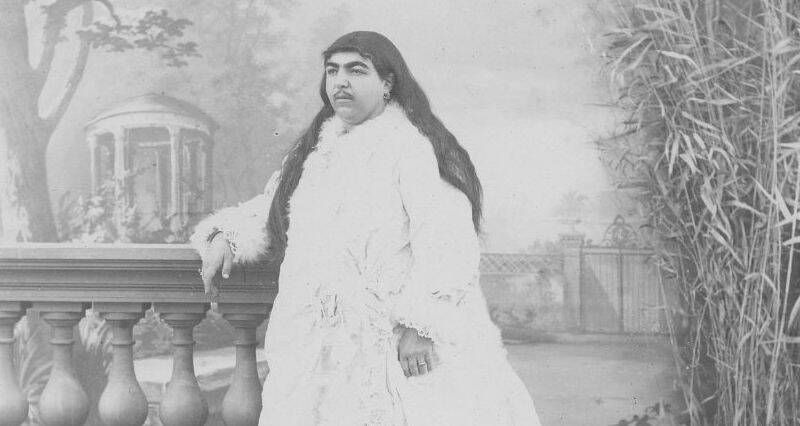
In the vast ocean of the internet, where information flows like a relentless current, it’s easy to get swept away by viral trends and captivating narratives. Take, for example, the recent surge in posts about Princess Fatemeh Khanum and her life during the Qajar dynasty. These captivating images often depict two regal figures, both daughters of Naser al-Din Shah Qajar, a prolific photographer who left behind a treasure trove of royal portraits.
However, these online narratives often paint an incomplete picture, exaggerating their influence and simplifying their complex lives. They present a romanticized version of history, neglecting the nuanced realities faced by these women during a time of immense cultural change in Persia. Think of it like a puzzle – each viral post presents a single piece, but the full image remains obscured until we delve deeper into their individual stories.
Let’s embark on this journey together, peeling back the layers of misconception and discovering the true essence of these remarkable women. We’ll explore their unique personalities, passions, and struggles, shedding light on their contributions to Persian history beyond the fleeting allure of viral fame.
Beyond the Viral Misconceptions
One of the most pervasive misconceptions surrounding these princesses is their level of influence. While they lived privileged lives within the opulent confines of the Qajar court, their power was often limited by the rigid social structures of the time. They couldn’t wield political authority or directly shape national policies. Their sphere of influence primarily revolved around cultural matters, such as promoting arts and literature, hosting diplomatic gatherings, and setting fashion trends.
Think of it like this: they were influential within their circle, much like a popular figure at a bustling school dance. They set the tone for style and conversation, but ultimately couldn’t control the broader events unfolding beyond their immediate sphere. It’s crucial to remember that these women existed within a specific historical context, shaped by patriarchal norms and societal expectations. Their actions should be understood through this lens, appreciating both their agency and the constraints they faced.
Another common misconception is the portrayal of their lives as purely glamorous and carefree. While they undoubtedly enjoyed luxurious accommodations and access to fine arts and entertainment, they also faced challenges and complexities that are often overlooked in the viral narratives. Princess Fatemeh Khanum, for instance, experienced personal loss and heartbreak throughout her life, which deeply impacted her outlook. Their stories remind us that even those who appear to have it all can grapple with profound human emotions and experiences.
The Two Qajar Princesses: Fatemeh Khanum and Zahra Khanum
While both daughters of Naser al-Din Shah Qajar, Fatemeh Khanum and Zahra Khanum carved distinct paths for themselves, each leaving an indelible mark on Persian history. Fatemeh Khanum, known as Esmat al-Dowleh, was renowned for her grace, elegance, and musical talents. She mastered the piano under the tutelage of a French instructor and became a skilled embroiderer, showcasing her artistic abilities in intricate needlework pieces.
Esmat al-Dowleh also played a prominent role in courtly life, hosting European diplomats and engaging in lively intellectual discourse. She was known for her charm and wit, often captivating guests with her insightful observations on society and culture. In contrast, Zahra Khanum, who went by the title Taj al-Saltaneh, possessed a fiery spirit of independence and a passion for social reform. She defied traditional expectations by divorcing two husbands, choosing to prioritize her intellectual pursuits and personal freedom.
Zahra Khanum was a prolific writer, authoring “Crowning Anguish: Memoirs of a Persian Princess from the Harem to Modernity.” This groundbreaking work offered a candid glimpse into the realities of life within the Qajar court, highlighting both its grandeur and its limitations for women. Through her writing, she challenged societal norms and advocated for greater equality and opportunity for women in Persia.
Life in the Court of Naser al-Din Shah Qajar
The Qajar court under Naser al-Din Shah was a vibrant tapestry of tradition and modernity, where opulent ceremonies intertwined with the influences of the European world. It was a place of immense wealth and splendor, where intricate carpets adorned the floors, dazzling jewels graced the necks of nobles, and exquisite porcelain tea sets filled with fragrant brews were commonplace. The air hummed with artistic expression, from the melodious sounds of traditional Persian music to the vibrant hues of miniature paintings that captured courtly life in meticulous detail.
Yet, beneath this veneer of luxury lay a complex society shaped by rigid social hierarchies and patriarchal norms. Women, though often portrayed as ethereal figures of beauty, were largely confined to domestic spheres. While some princesses like Princess Fatemeh Khanum and Zahra Khanum enjoyed greater freedoms within the confines of their privileged lives, they still adhered to societal expectations regarding marriage, dress, and public appearances.
Despite these limitations, life at court was far from dull. Intellectual discussions flourished, artistic collaborations were commonplace, and international diplomats vied for access to the Shah’s favor. It was a melting pot of cultures and ideas, where Persian traditions blended with European influences, creating a unique cultural landscape that continues to fascinate historians today.
Challenging Gender Norms: Esmat al-Dowleh and Taj al-Saltaneh
While both Esmat al-Dowleh and Taj al-Saltaneh adhered to certain social norms expected of Qajar princesses, they each carved out spaces for themselves that challenged traditional gender roles. Esmat al-Dowleh, with her embrace of European musical instruments and artistic pursuits like embroidery, demonstrated an intellectual curiosity and a desire for self-expression beyond the confines of domesticity.
Her willingness to learn from foreign tutors and engage in discourse with visiting diplomats showcased a spirit of openness and a thirst for knowledge that defied expectations placed upon women of her era. Taj al-Saltaneh took this rebellion a step further, openly challenging societal norms through her actions. Her decision to divorce two husbands was a radical act of defiance against patriarchal expectations, demonstrating her commitment to personal autonomy and her refusal to be defined by traditional marital roles.
Beyond marriage, Taj al-Saltaneh used her platform to advocate for women’s rights and social reform. Through her writings, she critiqued the limitations placed on women’s education and opportunities, calling for a more equitable society where women could contribute fully to all aspects of life.
Modernising Persia: Memoirs and Legacy
Taj al-Saltaneh’s most significant contribution to modern Persia was her powerful memoir, “Crowning Anguish: Memoirs of a Persian Princess from the Harem to Modernity.” This groundbreaking work offered a candid and unflinching look into life within the Qajar court, revealing both its splendors and its limitations for women. Her vivid descriptions of courtly rituals, social customs, and political intrigue shed light on a world often hidden from public view.
But beyond the captivating narratives, Taj al-Saltaneh’s memoir served as a platform for social commentary. She fearlessly critiqued outdated traditions that stifled women’s potential and advocated for educational reforms, greater economic opportunities, and increased participation in public life. Her words resonated with readers both within Persia and abroad, inspiring a generation of reformers to challenge the status quo and envision a more progressive future. In this way, Taj al-Saltaneh’s memoir became a catalyst for change, contributing to the ongoing modernization of Persian society.
Her legacy continues to inspire today, reminding us of the power of individual voices to shape history and advocate for social progress. Through her courage, honesty, and unwavering belief in equality, Taj al-Saltaneh left an indelible mark on Persia and paved the way for future generations to challenge norms and strive for a more just world.