
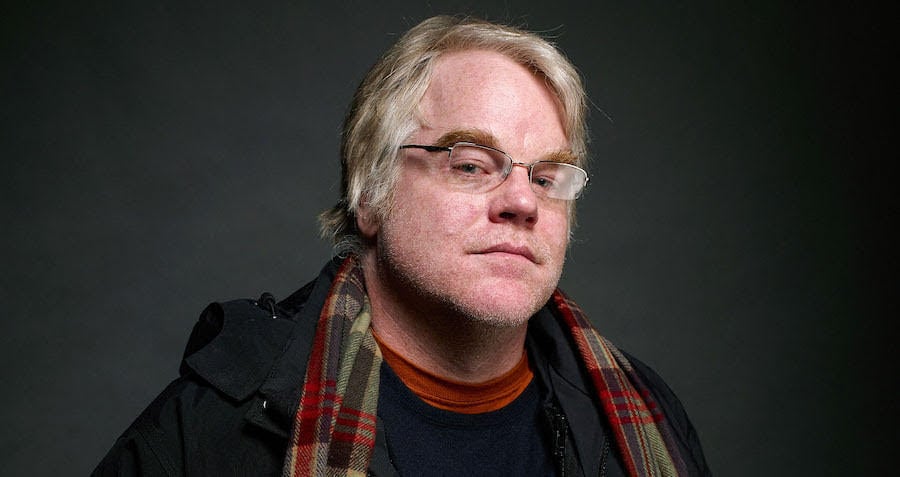
Philip Seymour Hoffman was a titan of the cinematic world, renowned for his ability to disappear into roles and inhabit characters with an unsettling authenticity. His filmography is a testament to his range, from the chilling portrayal of Truman Capote in the biopic “Capote” to the conflicted priest in “Doubt.” His performances were marked by a raw vulnerability and intensity that captivated audiences and critics alike, cementing his status as one of the most talented actors of his generation.
Tragically, Hoffman’s life was cut short at the age of 46 on February 2, 2014, due to a philip seymour hoffman death scene that shocked the world. His struggle with addiction had been a long and difficult one, marked by periods of both sobriety and relapse. His passing served as a stark reminder of the devastating impact addiction can have on individuals and those who love them.
Despite his untimely demise, Hoffman’s legacy endures through his indelible performances and the profound mark he left on the world of cinema. His work continues to inspire, challenge, and entertain audiences worldwide, ensuring that his name will forever be etched in the annals of cinematic history.
A Life of Talent and Struggle
Philip Seymour Hoffman’s journey was a complex tapestry woven with threads of remarkable talent and profound personal struggle. From his early years, he displayed a natural aptitude for the dramatic arts, excelling in school plays and honing his craft at New York University’s prestigious Tisch School of the Arts. His dedication to his craft was evident in his relentless pursuit of challenging roles and his willingness to delve into the darkest corners of human experience.
However, Hoffman’s path was not without its shadows. He grappled with addiction throughout much of his life, battling alcohol and heroin dependence. These personal demons cast a long shadow over his career, leading to periods of instability and setbacks. Despite these challenges, he persevered, finding solace and redemption in his work. His performances often reflected a raw honesty that resonated deeply with audiences, conveying the complexities of human nature with unflinching authenticity.
Hoffman’s story serves as a poignant reminder that even those who achieve great success can be consumed by internal battles. His legacy is a testament to both the brilliance and the fragility of the human spirit, leaving us to contemplate the enduring power of talent amidst the weight of personal demons.
The Spiral of Addiction
Philip Seymour Hoffman’s battle with addiction was a long and arduous one, marked by periods of both stability and devastating relapse. His initial foray into substance abuse began in his youth, battling alcohol and heroin during his early twenties. He sought treatment at age 22, successfully navigating the path to sobriety for over two decades. This period saw him achieve critical acclaim and establish himself as a leading figure in Hollywood.
However, the specter of addiction loomed large, ultimately resurfacing in his mid-forties. The pressures of fame, demanding projects, and personal turmoil likely contributed to this relapse. He sought solace in drugs, finding a temporary escape from the complexities of his life. This downward spiral culminated tragically on February 2, 2014, when he was found unresponsive in his New York City apartment, succumbing to a fatal overdose.
The philip seymour hoffman death scene served as a stark reminder of the insidious nature of addiction and its devastating consequences. It highlighted the vulnerability of even the most successful individuals to this complex disease, shattering the illusion of invincibility often associated with fame. His story underscores the need for continued awareness, education, and support for those struggling with addiction, offering a poignant reminder that recovery is possible but requires ongoing commitment and care.
Hoffman’s Final Days
In the final weeks of his life, Philip Seymour Hoffman retreated from public view, seeking refuge in a rented apartment in New York City. He intended to use this space as a sanctuary for his work, dedicating himself to honing scripts and rehearsing lines. However, this secluded environment became tragically intertwined with his descent into addiction.
Those close to Hoffman expressed growing concern about his increasingly erratic behavior and the signs of relapse were evident. His partner, Mimi ODonnell, had openly voiced her fears about his well-being, anticipating the grim possibility that he might succumb to the very demons he’d battled for so long. Despite these warnings, Hoffman remained determined to regain control over his life, but ultimately, the grip of addiction proved too strong.
On February 2, 2014, his lifeless body was discovered in this apartment, marking a tragic end to a life brimming with immense talent and heartbreaking struggles. The philip seymour hoffman death scene sent shockwaves through the entertainment world and beyond, leaving an indelible mark on the hearts of countless fans who had been captivated by his extraordinary performances. His final days serve as a poignant reminder of the fragility of life and the devastating consequences that can arise from unchecked addiction.
Legacy of a Fallen Star
Philip Seymour Hoffman’s untimely death cast a long shadow over the entertainment industry, leaving behind a void that continues to be felt today. Despite his tragically short career, he left an indelible mark on cinema, captivating audiences with his transformative performances and unwavering commitment to his craft. His legacy extends far beyond the silver screen, inspiring aspiring actors and reminding us of the power of raw talent and artistic integrity.
Hoffman’s filmography serves as a testament to his versatility and range. From his chilling portrayal of Truman Capote in “Capote” to his nuanced performance as the conflicted priest in “Doubt,” he effortlessly inhabited each role with authenticity and depth. He possessed a rare ability to connect with audiences on an emotional level, drawing them into the complexities of his characters’ inner worlds. His performances were not merely technical displays of skill; they were profound explorations of the human condition, leaving a lasting impact on viewers long after the credits rolled.
Though his life was tragically cut short, Philip Seymour Hoffman’s contributions to cinema will endure for generations to come. He remains an enduring symbol of artistic brilliance and a poignant reminder that even the brightest stars can be extinguished too soon. His legacy continues to inspire awe and admiration, reminding us of the profound power of storytelling and the enduring impact of great art.
Coping with Loss
The news of Philip Seymour Hoffman’s death sent shockwaves through the entertainment industry and beyond, leaving a void that continues to be felt by fans and colleagues alike. His sudden departure served as a poignant reminder of the fragility of life and the devastating impact of addiction.
In the wake of this tragedy, many sought solace in remembering his extraordinary talent and the indelible mark he left on cinema. Tributes poured in from around the world, celebrating his unique contributions to the art form. Friends, family, and fellow actors shared their grief and admiration, highlighting his kindness, generosity, and unwavering dedication to his craft. His legacy continues to inspire awe and serve as a testament to the enduring power of great art.
Coping with such a profound loss can be incredibly difficult, and it’s important to acknowledge the pain and grief felt by those closest to Hoffman, as well as by fans who admired his work. His story serves as a reminder that even in the face of tragedy, there is strength to be found in shared memories, genuine connection, and the enduring power of art to heal and inspire.