Fred Rogers, the beloved host of “Mister Rogers’ Neighborhood,” is a cherished figure in American pop culture. Known for his gentle demeanor and heartwarming messages, Rogers has earned a place in the hearts of generations who grew up watching his program. However, despite his image as a kindhearted icon, rumors and myths about Mr. Rogers’ past have persisted over the years, often painting him as a figure quite different from the one we remember.
These stories, ranging from claims that he served in the military to accusations of inappropriate behavior, are widely circulated online and sometimes even find their way into mainstream media. It’s important to separate fact from fiction when it comes to public figures, especially those who hold such a special place in our memories. By examining these myths and understanding the truth behind them, we can gain a clearer picture of Mr. Rogers and his legacy.
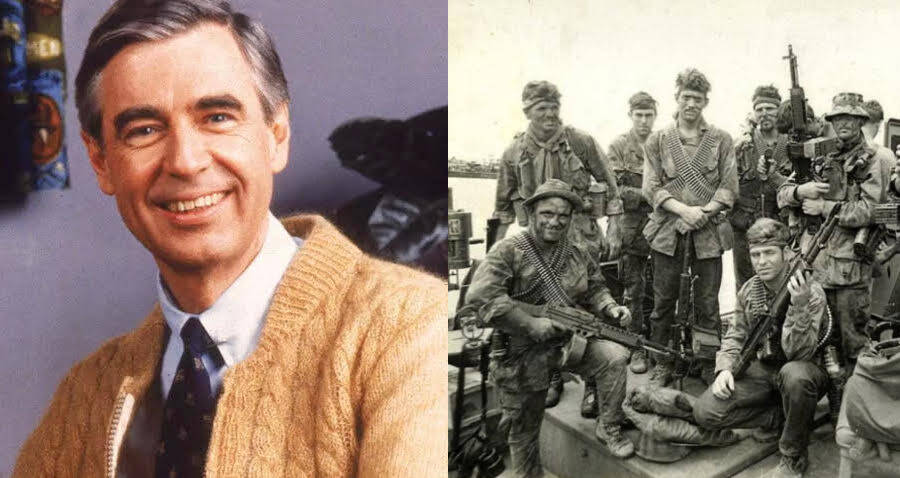
The most persistent myth surrounding Rogers is that he was a decorated war hero. Some even claim he served as a sniper during the Vietnam War. While it’s true that Mr. Rogers registered for the draft in 1948, his status was later changed to 4F, meaning he was ineligible for service due to a medical condition. In fact, Mr Rogers, a staunch pacifist who opposed war and violence, wouldn’t have fit into the role of a soldier. His gentle nature and commitment to peace were evident throughout his life and work.
Debunking the Military Myth
The idea of Fred Rogers being a war hero, especially a sniper during the Vietnam War, seems completely at odds with his gentle persona. He was a man who dedicated his life to teaching children about empathy, kindness, and understanding. The notion that he engaged in violence contradicts everything we know about him.
It’s important to remember that rumors often spread quickly, especially online where information is shared without proper verification. In this case, the myth likely stems from a misunderstanding of Rogers’ draft registration status or perhaps a desire to create a more dramatic narrative around his life.
The truth is, Mr. Rogers never served in the military. He was classified as 4F due to a medical condition, making him ineligible for service. This fact is easily verifiable through official records and historical documents.
The Origins of the Rumors
It’s fascinating to consider how these myths about Mr. Rogers came to be in the first place. While there isn’t one definitive source for these rumors, they likely emerged from a combination of factors. Some might stem from simple misunderstandings or misinterpretations of information. Others could be fueled by a desire to create more sensational narratives around public figures, especially those who are known for their kindness and gentleness.
It’s common for people to embellish stories or add fictional details to make them more interesting or entertaining. In the case of Mr. Rogers, his wholesome image may have made him a target for these kinds of distortions. Perhaps some individuals felt the need to create a more “exciting” backstory for a figure who represented peace and tranquility.
The internet has undoubtedly played a role in spreading these rumors, allowing them to circulate rapidly and reach a wider audience. It’s important to remember that not everything we read online is true, and it’s crucial to critically evaluate sources and information before accepting them as fact.
Rogers’ Pacifist Beliefs
Fred Rogers was a deeply committed pacifist who believed in the power of love and understanding over violence and conflict. His television program consistently promoted messages of peace, kindness, and empathy, teaching children to resolve disagreements peacefully and treat each other with respect.
Rogers’ commitment to pacifism stemmed from his personal beliefs and experiences. He witnessed firsthand the destructive effects of war and believed that it was never the answer. Instead, he advocated for dialogue, compassion, and a willingness to see things from different perspectives. His actions reflected his words, as he actively engaged in peace activism throughout his life.
This dedication to peace is further evidenced by Rogers’ unwavering opposition to the Vietnam War. He spoke out against the conflict, using his platform to raise awareness about its human cost and promote reconciliation. His stance on war aligns perfectly with his gentle nature and commitment to creating a more peaceful world.
Mr Rogers: Kindness and Authenticity
The very idea of Mr. Rogers being anything less than the kind and genuine individual he portrayed on screen seems almost inconceivable. His authenticity was one of his most endearing qualities – viewers felt a real connection with him because they sensed his sincerity and empathy. He wasn’t just reciting lines; he was sharing his heart and wisdom in a way that resonated deeply with children and adults alike.
Perhaps this very genuineness, coupled with his unwavering commitment to kindness, has inadvertently contributed to the creation of these outlandish rumors. When someone is seen as truly good, there’s sometimes a temptation to embellish or invent stories that add a sense of drama or intrigue. It’s as if people feel the need to create a more complex narrative around someone who embodies such pure simplicity.
Ultimately, it’s important to remember that Mr. Rogers was a real person with complex thoughts and feelings, just like everyone else. While these rumors may be intriguing, they should not overshadow his true legacy – one built on kindness, compassion, and a genuine desire to make the world a better place.
Separating Fact from Fiction
It’s easy to get swept up in the whirlwind of information circulating online, especially when it comes to intriguing stories about public figures. But it’s crucial to remember that not everything we read is true, and it’s essential to develop a critical eye when evaluating sources.
Separating fact from fiction requires a healthy dose of skepticism and a willingness to dig deeper. Look for credible sources of information, such as reputable news organizations, academic journals, or official records. Be wary of anonymous sources or websites that lack transparency. Cross-reference information with multiple sources to ensure accuracy. Remember, if it sounds too good (or too outrageous) to be true, it probably is.
Ultimately, forming our own informed opinions requires engaging in critical thinking and responsible information consumption. It’s about being discerning readers and embracing a healthy dose of skepticism when encountering claims that seem outlandish or lack solid evidence.