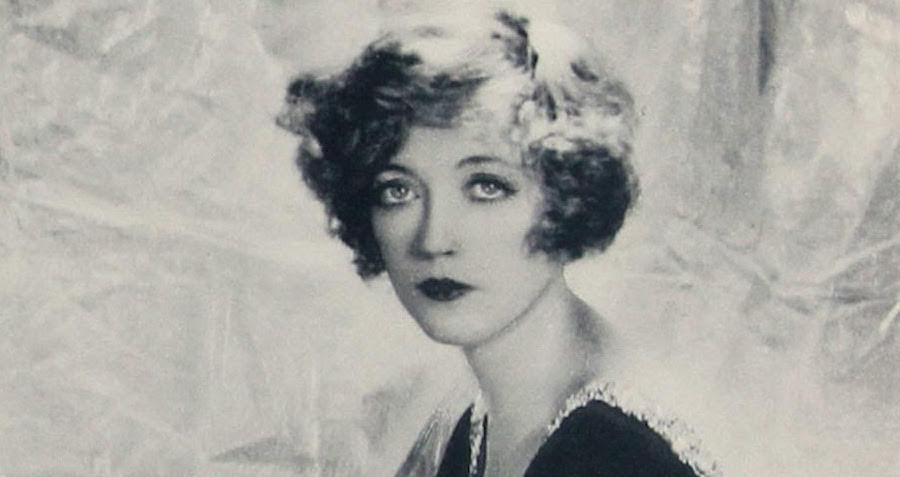
The world of Hollywood in the 1920s was a dazzling spectacle of glamour and excess. Amidst this whirlwind of fame and fortune rose Marion Davies, a talented actress who captivated audiences with her screen presence. She graced dozens of films, becoming a household name thanks to major productions like “When Knighthood Was in Flower.” Davies’s journey, however, wasn’t solely about the silver screen; it was deeply intertwined with the powerful media mogul William Randolph Hearst.
Hearst’s immense influence propelled Davies’s career to new heights. He used his vast network and resources to promote her work, ensuring she became a star of unparalleled magnitude. This connection, however, cast a long shadow over Davies’s legacy. Rumors swirled around her personal life, particularly about alleged affairs with prominent figures like Marion Davies and Charlie Chaplin. These whispers often overshadowed Davies’s genuine talent and accomplishments.
Despite achieving remarkable success throughout her career and remaining steadfastly by Hearst’s side until his death in 1951, Davies’s image was forever marked by this controversial association. The impact of this narrative is still felt today, as her story serves as a reminder of the complex interplay between fame, power, and public perception in Hollywood’s golden age.
The Rise of Marion Davies
Marion Davies’s ascent to stardom began in the early 1920s, a period when Hollywood was experiencing explosive growth and captivating audiences worldwide. Her captivating screen presence and undeniable talent quickly set her apart from the crowd. She took on diverse roles, showcasing her versatility and range as an actress. From romantic leads to comedic characters, Davies effortlessly commanded attention, leaving viewers wanting more.
Her rise wasn’t solely attributed to her natural ability; smart strategic choices played a crucial role. Davies recognized the power of self-promotion and cultivated a public persona that was both alluring and relatable. She understood how to connect with fans on a personal level, further solidifying her place as a beloved figure in Hollywood. Her popularity soared as she starred in increasingly successful productions like “When Knighthood Was in Flower,” cementing her status as a leading lady of the era.
This period marked the beginning of Davies’s journey to becoming one of the most celebrated actresses of her time. She became a symbol of Hollywood glamour, embodying the spirit of the roaring twenties with her charisma and undeniable on-screen presence. However, little did she know that her life was about to take a dramatic turn when she crossed paths with William Randolph Hearst, a powerful media mogul whose influence would forever shape her career and legacy.
William Randolph Hearst’s Influence
William Randolph Hearst, a titan of the media world, wielded immense power and influence in the 1920s. His sprawling newspaper empire reached millions across the country, shaping public opinion and setting the agenda for national discourse. When his gaze fell upon Marion Davies, he saw not just a talented actress but also an opportunity to further enhance his own image and sway.
Hearst’s affections soon blossomed into a full-fledged romance with Davies, a relationship that would become one of the most talked-about scandals of the era. Recognizing Davies’s star potential, Hearst poured resources into her career, using his vast network to promote her films and secure lucrative contracts. He financed lavish productions, orchestrated publicity stunts, and even ensured she received top billing in every project. Davies became a symbol of Hearst’s success, a testament to his ability to shape the entertainment landscape according to his own desires.
This symbiotic relationship, however, came at a price. Davies’s talent often became overshadowed by the rumors surrounding her connection to Hearst. Her achievements were frequently dismissed as mere publicity stunts orchestrated by the powerful media mogul. Despite achieving critical acclaim and box office success, Davies’s legacy was forever intertwined with the perception that she was simply a pawn in Hearst’s grand scheme.
 How Old Was Margot Frank When She Died: Remembering Annes Sister
Rumors and Public Perception
The intense spotlight shone on Hollywood stars often amplified personal lives into public spectacles. Marion Davies, with her prominent relationship to William Randolph Hearst, found herself at the center of constant scrutiny and speculation. Every move she made, every social engagement, was dissected by the press and eagerly consumed by a public hungry for gossip. Rumors about Davies’s personal life swirled relentlessly, painting a complex and often contradictory picture of her character.
Some whispered about lavish parties hosted at Hearst’s sprawling estate, San Simeon, featuring extravagant costumes and captivating performances. Others hinted at clandestine meetings with prominent figures, including Marion Davies and Charlie Chaplin, fueling the flames of controversy surrounding her name. These rumors, often exaggerated or entirely fabricated, cast a long shadow over Davies’s reputation. Despite her undeniable talent and success on screen, the public perception of her remained heavily influenced by these whispers, sometimes overshadowing her genuine accomplishments.
The relentless media attention took its toll. Davies, though resilient, found herself constantly navigating a minefield of speculation and judgment. It became increasingly difficult to separate fact from fiction, leaving her vulnerable to the whims of public opinion and the machinations of those seeking to exploit her fame for their own gain.
Citizen Kane: A Lasting Legacy?
Orson Welles’s groundbreaking masterpiece “Citizen Kane” captivated audiences and critics alike upon its release in 1941. The film, considered a cinematic triumph for its innovative storytelling and visual techniques, also sparked controversy due to its perceived portrayal of real-life figures. Among those seemingly depicted was William Randolph Hearst, whose persona resonated strongly with the film’s corrupt media tycoon Charles Foster Kane.
While Welles always maintained that “Citizen Kane” was a fictional creation, many believed it to be a thinly veiled attack on Hearst and his associates. Davies, caught in the crosshairs of this cinematic storm, found her image further tarnished by the film’s depiction of Susan Alexander, a talented actress who falls prey to the manipulations of a powerful man resembling Hearst. This portrayal, fueled by existing rumors and perceptions surrounding Davies’s relationship with Hearst, solidified a public perception of her as an untalented woman whose success was solely owed to her connection to a wealthy and influential man.
The legacy of “Citizen Kane” continues to resonate decades later, prompting ongoing debates about its historical accuracy and artistic merit. For Marion Davies, the film served as a potent reminder that even in death, one’s reputation can be shaped by public perception and the narratives woven into popular culture.
Beyond the Scandal
Despite the controversies and scandals that plagued her career, it’s crucial to remember that Marion Davies possessed a genuine talent for acting. She captivated audiences with her charm, wit, and ability to embody diverse characters with authenticity. Her contributions to Hollywood cinema extend beyond the shadow of Hearst’s influence; she was a skilled performer who brought joy and entertainment to millions.
Davies’s legacy is complex and multifaceted. While she undoubtedly faced challenges stemming from public perception and the manipulation of her image, she remained resilient throughout her career. She continued to work in film, stage productions, and radio until the early 1950s, demonstrating her enduring passion for the art form. Ultimately, Marion Davies deserves recognition not only as a figure entangled in Hollywood scandals but also as a talented actress who left an indelible mark on the entertainment industry.
Her story serves as a reminder that even amidst the glamour and allure of fame, individuals grapple with personal struggles and societal pressures. It encourages us to look beyond simplistic narratives and recognize the complexities of human experience within the context of historical events.