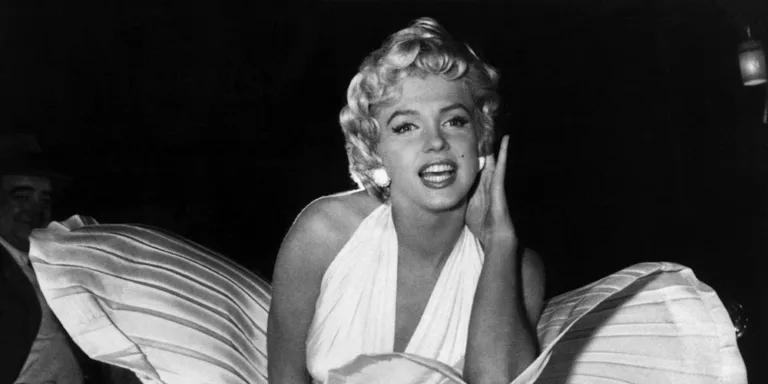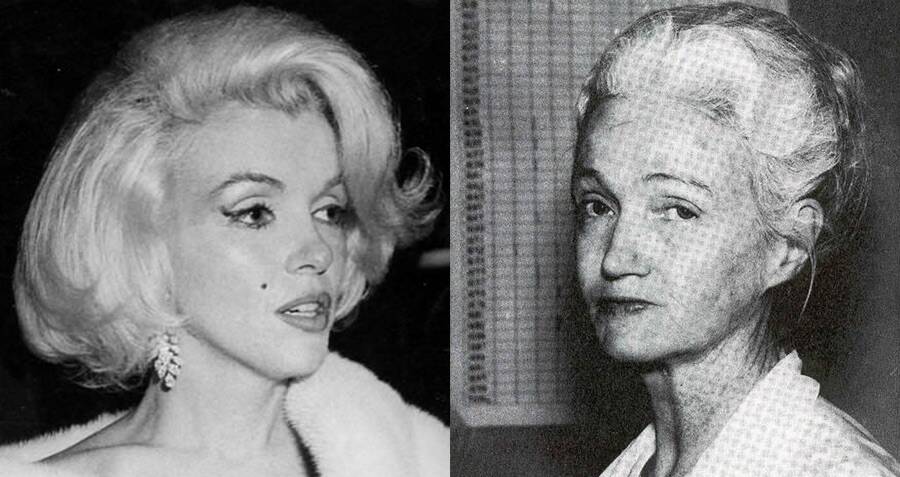
Marilyn Monroe, the iconic actress whose beauty and talent captured hearts worldwide, had a life filled with both glamour and tragedy. But beneath the dazzling surface lay a complex story, deeply intertwined with the struggles of her mother, Gladys Pearl Baker. Understanding Marilyn’s journey requires delving into the woman who gave birth to her, a figure often shrouded in mystery and overshadowed by her daughter’s fame.
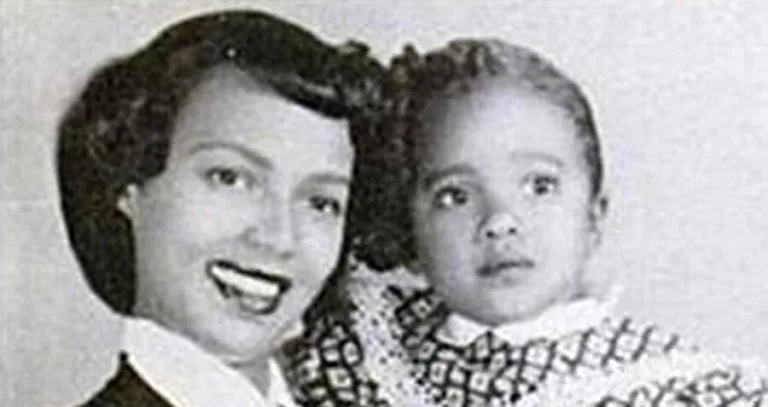
While who is Marilyn monroe’s mother may seem like a simple question, the answer reveals a tale of mental illness, hardship, and a fractured relationship that profoundly shaped both Marilyn and Gladys. Gladys suffered from paranoid schizophrenia, a debilitating condition that cast a long shadow over their lives. Her instability led to custody battles with her abusive ex-husband, ultimately resulting in little Marilyn being placed in foster care at an early age.
This early separation marked the beginning of a complex dynamic between mother and daughter. Though Marilyn occasionally visited Gladys, their bond remained strained throughout her life. The pain of this separation fueled Marilyn’s desire to protect her image, eventually leading her to fabricate a story about being orphaned. Yet, despite the years of distance and the carefully constructed facade, the truth about Gladys Pearl Baker’s existence would eventually come to light, revealing the poignant reality behind Marilyn’s iconic persona.
Gladys Pearl Baker: A Life Defined by Struggles
Gladys Pearl Baker’s life was a tapestry woven with threads of hardship and resilience. Born in 1902, she faced numerous challenges from a young age, including poverty and a lack of educational opportunities. These early struggles laid the groundwork for a difficult path ahead.
Her mental health began to deteriorate in her adult years, eventually leading to a diagnosis of paranoid schizophrenia. This debilitating condition profoundly impacted her ability to maintain stable relationships and hold down a job. The relentless nature of her illness often left Gladys feeling isolated and misunderstood, further compounding her existing difficulties. Despite these immense challenges, she persevered with remarkable strength, demonstrating an unwavering determination to provide for her daughter, even amidst her own struggles.
Sadly, Gladys Pearl Baker’s story is a poignant reminder that mental illness can cast a long shadow, affecting not only the individual but also their loved ones. Her life serves as a testament to the enduring human spirit in the face of adversity, yet also highlights the urgent need for greater understanding and support for those battling mental health challenges.
Marilyn Monroe’s Early Childhood and Foster Care
Marilyn Monroe’s early childhood was a tumultuous period marked by instability and separation. Born Norma Jeane Mortenson in 1926, she entered a world already fraught with challenges due to her mother’s mental health struggles.
With Gladys Pearl Baker unable to provide consistent care, young Marilyn was placed in foster homes at just six months old. This experience proved to be a difficult one, marked by periods of neglect and even abuse within these unfamiliar surroundings. It was during this time that she first encountered the complexities of family and belonging, forging a lasting sense of longing for stability and love. Despite the hardships she endured, Marilyn’s resilience began to shine through, as she sought solace in books and imagination, finding refuge in worlds beyond her own.
The instability of her early years profoundly shaped Marilyn’s later life, influencing her relationships and even her professional choices. The yearning for a stable family unit would become a recurring theme throughout her journey, further highlighting the profound impact these formative experiences had on shaping who she became.
The Complex Mother-Daughter Relationship
The relationship between Marilyn Monroe and her mother, Gladys Pearl Baker, was a tangled web of love, longing, and pain. Despite the challenges posed by Gladys’s illness and their fractured past, Marilyn yearned for a connection with her mother. She sent financial support regularly, attempting to bridge the gap that years of separation had created. However, the wounds of childhood remained deeply etched, making true reconciliation elusive.
Marilyn often retreated behind a carefully constructed persona, shielding herself from the vulnerability that came with intimacy. This guardedness extended to her relationship with Gladys, creating a distance that neither could fully overcome. While there were moments of tenderness and shared laughter, the underlying tension stemming from their past experiences often overshadowed any genuine warmth that might have blossomed.
This complex dynamic speaks volumes about the lasting impact childhood trauma can have on adult relationships. Despite Marilyn’s best efforts to mend the broken bond, the scars of their shared history remained a constant reminder of the complexities inherent in their mother-daughter connection.
Mental Health Challenges and the Legacy of Schizophrenia
The shadow of mental illness loomed large over both Marilyn Monroe and her mother, Gladys Pearl Baker. While Gladys suffered from paranoid schizophrenia, a debilitating condition that profoundly impacted her life, it’s believed that Marilyn also struggled with similar challenges, battling anxiety, depression, and an inability to cope with the pressures of fame. This shared vulnerability serves as a poignant reminder of the complex interplay between genetics and environment in shaping mental health.
The lasting impact of schizophrenia on both women highlights the importance of understanding and addressing this often misunderstood illness. Their stories shed light on the profound challenges faced by individuals battling mental health disorders, demonstrating the need for compassion, support, and access to effective treatment.
It’s crucial to remember that mental health is not a weakness but a complex aspect of human experience that deserves our empathy and understanding. Marilyn and Gladys’s lives serve as a powerful testament to the resilience of the human spirit in the face of adversity, while also underscoring the urgent need for continued research and support for those affected by mental illness.
Beyond the Headlines: Unveiling a Troubled History
Marilyn Monroe’s life has often been viewed through the lens of glamour and tragedy, with her personal history overshadowed by the iconic image she cultivated. But beneath the surface glitz and public persona lies a story far more complex than headlines could ever capture.
Her relationship with Gladys Pearl Baker was a particularly poignant example of this hidden complexity. The truth about their bond, marked by both love and pain, remained largely concealed for many years. Marilyn’s fabricated story about being an orphan served as a shield, protecting her carefully constructed image while obscuring the real struggles she faced. It wasn’t until later in her life that details about Gladys’s mental health challenges and their tumultuous relationship began to emerge, shedding light on a deeply personal side of Marilyn often overlooked by the public eye.
By delving into these hidden layers of her life, we gain a more nuanced understanding of who Marilyn truly was: a woman grappling with inner demons, seeking connection and love amidst the overwhelming pressures of fame, and forever marked by the complexities of her relationship with her mother.