
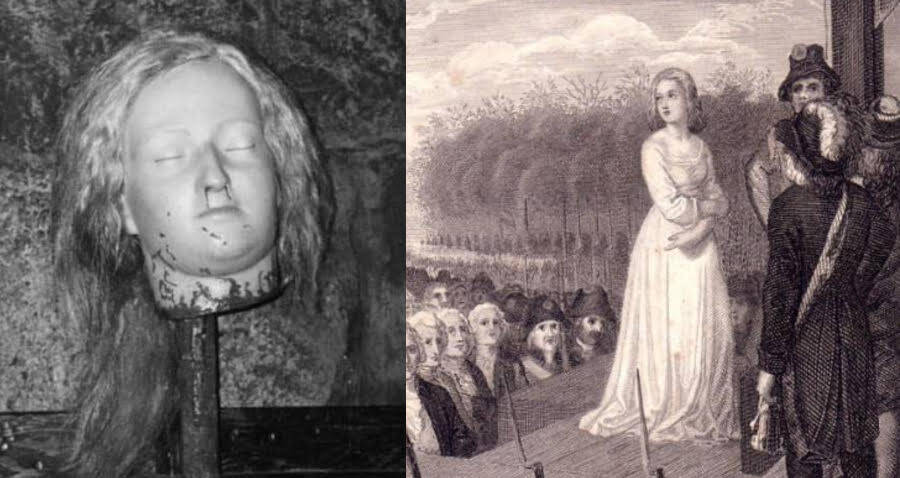
Marie Antoinette, the name evokes images of grandeur and tragedy. She was the last Queen of France, a symbol of an era that ended abruptly with the French Revolution. Her life was a whirlwind of opulence at Versailles, followed by the harsh realities of imprisonment and ultimately, execution.
Her story is one of both privilege and downfall, a reminder of how quickly fortunes can change. While she was initially adored for her beauty and charm, public opinion turned against her as the economic struggles of France intensified. Accusations of extravagance, foreign influence, and even treason painted her as an enemy of the people. This shift in perception ultimately led to her tragic demise during the last days of Marie Antoinette.
Though history remembers her as a figure caught in the crosshairs of revolution, it’s essential to remember that Marie Antoinette was a human being with hopes, fears, and vulnerabilities. Her story offers valuable insights into the complexities of power, societal upheaval, and the enduring impact of historical events.
From Versailles to Conciergerie: A Life in Transformation
Marie Antoinette’s early life was a fairy tale. As the daughter of an Austrian emperor, she was raised in luxury and privilege. Her arrival in France to marry Louis XVI at age fourteen marked the beginning of her reign as queen. Versailles, the royal palace, became her stage, where she hosted lavish balls and indulged in extravagant fashion. It was a world of gilded cages and glittering jewels, a far cry from the hardship faced by ordinary French citizens.
However, this idyllic facade began to crumble as France faced increasing economic turmoil and social unrest. The gap between the opulent lives of the aristocracy and the poverty of the masses widened, fueling resentment towards the monarchy. Marie Antoinette, with her perceived indifference to their plight and penchant for extravagance, became a target of public anger. This shift in sentiment marked a turning point in her life, leading from the grandeur of Versailles to the stark reality of imprisonment.
Her confinement in the Conciergerie, a grim prison in Paris, was a stark contrast to her former life of luxury. The once-queen, known for her elegance and grace, now faced the horrors of a prisoner’s existence. Her world shrunk to the confines of her cell, stripped of all the privileges that defined her past. These last days of Marie Antoinette were marked by fear, uncertainty, and the agonizing realization that her reign was over.
The Fueling Flames of Public Resentment
Marie Antoinette’s Austrian origins and lavish lifestyle provided ample fodder for public resentment. During a time of economic hardship and widespread discontent, the French people viewed her extravagance as insensitive and out of touch with their struggles. Rumors spread like wildfire about her opulent spending habits, extravagant parties, and seemingly callous disregard for the plight of the commoners. These whispers, fueled by political propaganda, painted her as an enemy of the people, a symbol of the aristocracy’s decadence and indifference.
The “diamond necklace affair” further tarnished her reputation. This scandal involved a plot to defraud the Queen using a fake diamond necklace. While Marie Antoinette was ultimately cleared of any wrongdoing, the controversy cast a shadow over her image and reinforced public perceptions of her as careless and susceptible to manipulation. This incident became a potent symbol of the perceived corruption and abuse of power within the monarchy, further inflaming public anger against the queen.
These events created a perfect storm of public resentment. The economic crisis coupled with Marie Antoinette’s perceived extravagance and involvement in scandals transformed her from a beloved figure into a scapegoat for the nation’s woes. As the French Revolution gained momentum, she became increasingly isolated and vulnerable, her fate intertwined with the tumultuous course of history during those last days of Marie Antoinette.
 How Old Was Margot Frank When She Died: Remembering Annes Sister
The French Revolution and its Fatal Consequences
The French Revolution, a seismic upheaval that shook the foundations of France and Europe, cast a long shadow over Marie Antoinette’s life. It transformed her world from one of lavish grandeur to one of fear and uncertainty. As discontent among the populace grew, fueled by economic hardship and social inequality, calls for reform escalated into demands for radical change. The monarchy, once seen as divinely ordained, was now viewed with suspicion and hostility.
The storming of the Bastille on July 14, 1789, marked a turning point in the revolution. This symbolic act of defiance against royal authority signaled the beginning of the end for the French monarchy. Louis XVI, initially hesitant to embrace reform, found himself increasingly powerless against the rising tide of revolutionary fervor. He and Marie Antoinette were now prisoners within their own palace, pawns in a game they could no longer control.
The revolution’s trajectory led inevitably to their downfall. Marie Antoinette was accused of treason, financial mismanagement, and conspiracy with foreign powers. Her Austrian heritage became a liability, further fueling public animosity towards her. During her trial, she displayed remarkable composure but ultimately met an agonizing fate. The execution of Louis XVI paved the way for her own demise, culminating in those last days of Marie Antoinette, forever etched in history as a tragic reminder of revolution’s brutal consequences.
Trial, Execution, and the Haunting Legacy of Marie Antoinette
Marie Antoinette’s trial was a spectacle of political theater, fueled by public outrage and revolutionary fervor. She faced charges of treason, financial impropriety, and conspiracy with foreign powers. Her Austrian origins were used against her, casting her as an enemy agent undermining French sovereignty. Despite the gravity of the accusations, she remained defiant, eloquently defending herself and emphasizing her role as a mother. She insisted on her innocence, asserting that her actions were always motivated by love for her husband and country.
However, the jury was swayed by the powerful narrative woven against her. Public opinion, already inflamed by years of resentment, had made up its mind. Marie Antoinette was found guilty on all charges. Her fate was sealed, leading to her execution at the Place de la Révolution on October 16, 1793. As the guillotine fell, ending her life in a brutal and public display, she uttered a simple apology to the executioner for stepping on his foot—a chilling reminder of her humanity amidst the chaos of those last days of Marie Antoinette.
Her death marked a turning point in the French Revolution. It underscored the ruthlessness of the revolutionary regime and its willingness to eliminate anyone perceived as an obstacle to its goals. Though executed, Marie Antoinette’s legacy endures. She remains a controversial figure, both revered by some for her resilience and condemned by others for her alleged extravagance and political naivete. Her story continues to captivate historians and the public alike, serving as a timeless reminder of the complexities of power, revolution, and the fragility of human life.
A Queen’s Final Words: Reflections on Tragedy
As the guillotine blade descended, ending Marie Antoinette’s life on that fateful October day, her final words echoed through the Place de la Révolution: “Pardon me, sir, I did not mean to step on your foot.” This simple utterance, recorded by witnesses and passed down through history, offers a poignant glimpse into her humanity amidst unimaginable horror. She met her death with remarkable composure, displaying a level of dignity that belied the brutal circumstances surrounding her execution.
Her last words are often interpreted as a testament to her character—a final act of grace even in the face of annihilation. They remind us that despite being stripped of her titles and power, Marie Antoinette remained a human being capable of empathy and remorse. These last days of Marie Antoinette were marked by tragedy, but her final words resonate with unexpected gentleness, offering a glimpse into the complexities of a life cut short.
Historians continue to debate the true meaning behind those final words—was it genuine apology, a desperate attempt at distraction, or simply a reflex in the face of imminent death? Regardless of interpretation, they serve as a haunting reminder of the human cost of revolution and the indelible mark that tragedy can leave on our collective memory.