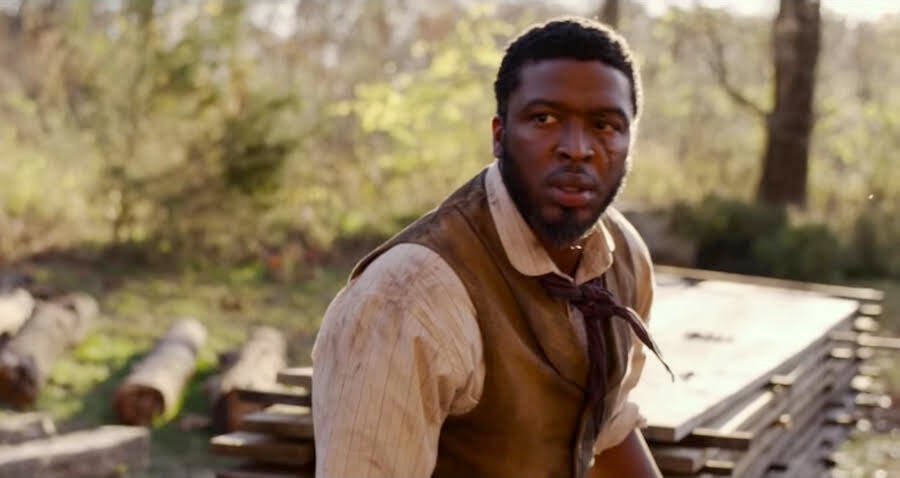
John Tubman was a man bound by the injustices of his time. Living in Maryland during the era of slavery, he made the difficult choice to remain with his family while his wife, Harriet Tubman, bravely embarked on her legendary work on the Underground Railroad. Their story is one of love, loyalty, and the heartbreaking consequences of a divided nation.
While Harriet’s name resonates throughout history for her courage in guiding hundreds to freedom, John’s life often gets overshadowed. He was a free man who chose to stay behind, facing his own struggles within a system designed to keep Black people oppressed. This article delves into the complexities of their relationship and explores how did John Tubman die, shedding light on a tragic chapter in his life that highlights the enduring impact of racial injustice in America.
Understanding John’s story allows us to see Harriet’s journey through a different lens. Their union, though challenged by societal norms and the ever-present threat of slavery, reveals their deep love and commitment. It also underscores the sacrifices made by many during this tumultuous period, reminding us that history is often told from multiple perspectives.
John Tubman’s Early Life and Marriage to Harriet Tubman
John Tubman was born into a world of stark inequalities. Like many Black people in the antebellum South, he faced the constant threat of slavery despite being born free. His early life, though shrouded in some mystery, likely mirrored the experiences of countless others in his community: toiling under the weight of societal expectations and navigating a system where freedom was often precarious.
His path crossed with Harriet Tubman’s in 1844 when they wed in a free-Black marriage. Though their personalities differed – Harriet, witty and determined, while John was perhaps more brash and reserved – their union was a testament to the love and resilience of Black couples during this challenging time. It wasn’t without its complexities, though. Marriage for them carried a heavy burden: children would inherit their mother’s legal status, meaning they could be born into slavery. This reality cast a long shadow over their lives, shaping their choices and highlighting the brutal nature of the institution they sought to escape.
This union, though facing countless obstacles, set the stage for one of the most remarkable stories in American history.
The Challenges of Their Union
The challenges facing John and Harriet Tubman’s marriage were as numerous as they were profound. Their union wasn’t simply a matter of love and companionship; it was a battle against the very fabric of a society designed to keep Black people oppressed. The specter of slavery loomed over their lives, casting a long shadow on their hopes for a future together.
Perhaps the most agonizing aspect of their situation was the knowledge that any children they might have would inherit Harriet’s enslaved status. This reality created a constant tension, forcing them to choose between building a family and risking their children being ripped away from them. It’s a heartbreaking dilemma that speaks volumes about the cruelty and injustice inherent in the system they lived under.
The societal norms of the time also placed significant constraints on their relationship. Despite being free-born individuals, John and Harriet faced prejudice and discrimination at every turn. This created an atmosphere of isolation and fear, making it even harder for them to navigate the complexities of their personal lives amidst such a hostile environment.
 How Did Jonathan Brandis Kill Himself? Tragic Death & Career Struggles
John’s Refusal to Join Harriet on the Underground Railroad
Harriet Tubman’s decision to flee slavery was a monumental act of courage, one that forever changed her life and the lives of countless others. When she made her daring escape in 1849, she desperately tried to persuade John to join her on the path to freedom. She likely envisioned them building a new life together, free from the shackles of oppression and able to finally pursue their dreams as equals.
However, John chose to remain behind in Maryland, despite the constant threat of slavery looming over him. The reasons for his decision are complex and shrouded in some mystery. Some historians suggest he may have felt a sense of duty to his family or feared leaving behind his established life. Others speculate that he simply lacked Harriet’s unwavering resolve or perhaps faced internal conflicts about defying societal norms. Whatever the cause, John’s choice ultimately led to a painful separation, highlighting the profound personal sacrifices demanded by the fight for freedom.
This divergence in paths cast a shadow over their relationship, further complicated by John’s subsequent marriage to another woman. While Harriet continued her tireless work on the Underground Railroad, freeing approximately 70 slaves during her lifetime, John remained entangled in the confines of his world. It’s a poignant reminder that even within families, individuals navigate complex decisions shaped by personal circumstances and unwavering beliefs.
Tragedy Strikes: John Tubman’s Death at the Hands of Robert Vincent
The story of John Tubman takes a tragic turn in 1867 when he was shot and killed by a white man named Robert Vincent during a roadside argument. This senseless act of violence brutally ended his life at the hands of someone who saw him as less than human, highlighting the deep-seated racism that permeated American society even after the Civil War.
The circumstances surrounding Vincent’s acquittal by an all-white jury are a stark reminder of the systemic bias embedded within the justice system. Despite the clear evidence pointing to Vincent’s guilt, he was absolved of any wrongdoing, reinforcing the pervasive power imbalance between white and Black individuals in America at that time. This miscarriage of justice not only robbed John Tubman of his life but also served as a chilling testament to the enduring consequences of racial prejudice.
The news of john tubman died shocked many who knew him, adding another layer of sorrow to a story already filled with hardship and resilience. It is a tragic reminder that even after emancipation, Black people continued to face violence and injustice at alarming rates.
Seeking Justice for an Unjust Verdict
The verdict in Robert Vincent’s trial sparked outrage and fueled the growing movement for racial justice. Many people, both Black and white, recognized the gross miscarriage of justice that had occurred. John Tubman’s death wasn’t just a personal tragedy; it became a symbol of the systemic racism that plagued the nation.
Calls for greater accountability and reform echoed throughout communities. The incident served as a stark reminder that true equality remained elusive for Black Americans, even after the Civil War. It highlighted the urgent need to dismantle the deeply ingrained structures of oppression that allowed such injustices to persist. While John Tubman’s story is often overshadowed by Harriet’s legendary work on the Underground Railroad, his tragic fate serves as a powerful testament to the ongoing struggle for racial justice in America.
John Tubman’s death continues to resonate today, reminding us that the fight for equality is far from over. We must continue to examine our history honestly and work towards creating a society where everyone has equal rights and opportunities, regardless of their race or background.