The human lifespan has always been a source of fascination and wonder. We strive to understand the secrets of longevity, the factors that allow some individuals to live longer than others. While science continues to unravel these mysteries, throughout history there have been remarkable claims of extraordinary lifespans. These tales often blend fact with folklore, leaving us to ponder the boundaries of human existence.
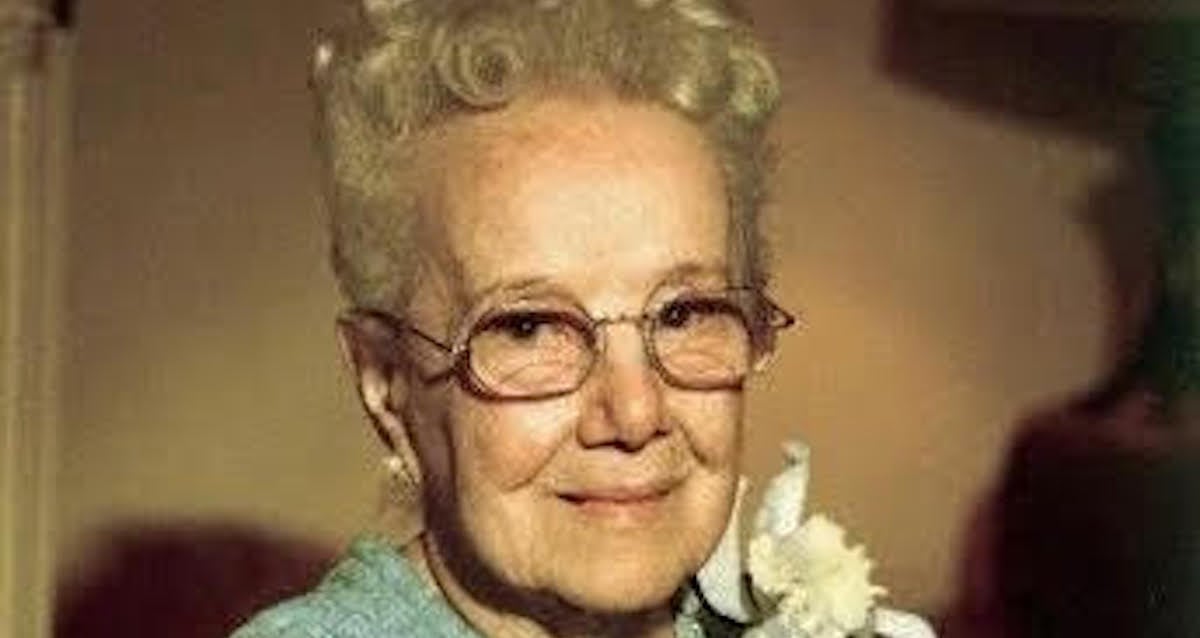
One such captivating story belongs to Huvaydo Umorava, an Uzbek woman who asserts she is 128 years old. This claim catapults her into the realm of potential supercentenarians, individuals who surpass the age of 110. Her story takes us on a journey through time, witnessing historical events that have shaped the world. Imagine being alive to witness revolutions, famines, two World Wars, and the rise and fall of empires – a testament to her remarkable resilience.
Umarova’s passport, indicating her birthdate as January 1, 1895, serves as a piece of evidence supporting her claim. While Guinness World Records has yet to officially verify her age, she continues to live a vibrant life, sharing her experiences and aspirations for reaching 150 years old. Her story sparks curiosity and invites us to explore the possibilities of human longevity, pushing the boundaries of what we believe is possible.
Huvaydo Umorava: A Life Spanning Centuries
To truly grasp the immensity of Huvaydo Umorava’s alleged lifespan, we must imagine ourselves stepping into her shoes and traversing the tumultuous tapestry of the 20th and 21st centuries. Born in 1895, she would have witnessed the world on the cusp of dramatic change. The horse-drawn carriages of her youth were gradually replaced by roaring automobiles, ushering in a new era of speed and progress. She would have seen empires crumble and nations rise from the ashes of war.
Imagine having front-row seats to historical events that shaped the world. Umorova would have experienced the fervor of revolutions, felt the pangs of famines, and witnessed the devastating impact of two World Wars. The Soviet era, with its unique blend of ideology and social upheaval, would have been another chapter in her extraordinary life journey. Each decade brought new challenges and triumphs, painting a vivid canvas of human history through her eyes. Her story is a testament to the enduring spirit of humanity, our ability to adapt and persevere through even the darkest of times.
Claims and Evidence of Longevity
Huvaydo Umorava’s claim to extraordinary longevity rests primarily on her passport, which lists her birthdate as January 1, 1895. This document serves as a tangible piece of evidence supporting her assertion of being 128 years old. However, a passport alone is not always sufficient to verify such an extraordinary claim. Independent verification from reputable sources, like medical records or biological assessments, would be crucial to solidify her case.
Despite the lack of official confirmation from bodies like Guinness World Records, Umorava’s story resonates with many who find it compelling. Some point to anecdotal evidence – testimonies from individuals who claim to have known her for decades and corroborate her age. Others highlight the importance of cultural context, suggesting that in certain societies, traditional methods of record-keeping might not align with modern standards. While skepticism is understandable, there’s a palpable sense of intrigue surrounding Huvaydo Umorava’s case, prompting us to question our understanding of human lifespan and the limits of what we consider possible.
The Quest for Verifiable Age Records
The quest to verify extraordinary age claims like Huvaydo Umorava’s is a fascinating endeavor, fraught with complexities and challenges. Guinness World Records, the global authority on record-keeping, sets rigorous standards for validating supercentenarian claims. This typically involves meticulous document verification, medical examinations, and sometimes even genetic testing to establish a person’s true age.
The pursuit of verifiable age records is driven by a desire to understand human longevity and celebrate the remarkable achievements of individuals who defy conventional expectations. However, it also raises ethical considerations regarding privacy and respect for personal information. When dealing with sensitive data about individuals claiming extraordinary lifespans, it’s crucial to ensure transparency, accountability, and sensitivity throughout the verification process.
Other Contenders for the Oldest Title
While Huvaydo Umorava’s claim captures significant attention, she is not alone in asserting an age that surpasses known records. Throughout history, numerous individuals have emerged claiming to be among the oldest people ever to live. These claims often arise from different corners of the world, adding a layer of intrigue and diversity to the quest for longevity.
Some stories are shrouded in mystery, lacking substantial documentation or independent verification. Others involve individuals whose lives intertwine with historical events, adding a unique dimension to their narratives. Regardless of the level of evidence surrounding these claims, they collectively highlight humanity’s enduring fascination with age and the pursuit of understanding our biological limits.
Living to 150: Umarovas Aspirations
Huvaydo Umorava’s journey isn’t merely about surviving to an advanced age; it’s about striving for continued vitality and purpose. She sets her sights on a remarkable goal – reaching 150 years old. This ambition speaks volumes about her indomitable spirit and unwavering belief in the potential for human longevity.
Attaining such an extraordinary milestone would undoubtedly require exceptional health, resilience, and perhaps even a touch of luck. It’s a testament to Umorava’s zest for life that she continues to embrace challenges and aspirations with such vigor. Her story serves as a reminder that age is not necessarily a barrier to pursuing dreams and living life to the fullest.