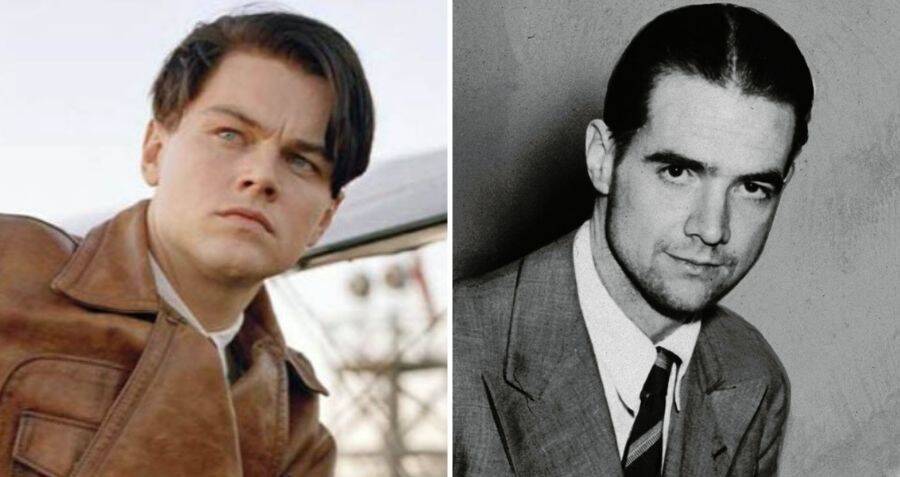
Howard Hughes was a larger-than-life figure, a brilliant aviator and visionary entrepreneur who captured the public’s imagination in the mid-20th century. He was known for his daring feats of flying, his eccentric personality, and his immense wealth. But behind the glamorous facade, Hughes harbored deep anxieties and struggled with mental health issues that would ultimately define his later years.
A pivotal moment in Hughes’ life came in 1946 when he suffered a horrific plane crash while piloting the XF-11 experimental aircraft. This accident, tragically, wasn’t just about physical injuries – it was a turning point that sent him down a path of escalating pain management and psychological turmoil. It marked the beginning of his dependence on opiates and ultimately contributed to the development of his obsessive-compulsive disorder and germaphobia.
The howard hughes plane crash injuries were severe, including third-degree burns covering much of his body, a crushed chest, and multiple cracked ribs. He endured a long and painful recovery process, forever changed by the physical trauma he experienced that day.
Howard Hughes: Aviator and Eccentric Billionaire
Howard Hughes was a complex and fascinating figure who captivated the world with his daring adventures and eccentric personality. He wasn’t just a successful businessman; he was also a passionate aviator who pushed the boundaries of flight, driven by an insatiable thirst for innovation and speed. His love for airplanes led him to establish Hughes Aircraft Company, where he designed and built some of the most advanced aircraft of his time, including the iconic Spruce Goose, a massive flying boat that became a symbol of his ambition and ingenuity.
But beyond his accomplishments in aviation, Hughes was known for his eccentricities and reclusive nature. He amassed a vast fortune through his business ventures, but he also developed an intense fear of germs and a compulsion for order, leading him to live largely isolated from the outside world. He became increasingly withdrawn, surrounded by a small circle of loyal staff who catered to his every need.
These conflicting aspects—the daring aviator and the reclusive billionaire—made Howard Hughes a truly enigmatic figure. His story is a reminder that even those who achieve great success can be haunted by inner demons and struggles. He remains a subject of fascination, with books, movies, and documentaries exploring the complexities of his life and legacy.
The 1946 Plane Crash and Its Impact
The year 1946 marked a turning point in Howard Hughes’ life—a crash that would irrevocably alter his physical and mental state. While piloting the experimental XF-11 aircraft, he encountered catastrophic engine failure, leading to a violent crash landing. This wasn’t just any accident; it was a brutal event that left Hughes with severe injuries, including howard hughes plane crash injuries like third-degree burns covering a significant portion of his body. His chest was crushed, and he suffered multiple cracked ribs. The physical trauma he endured that day was immense.
The pain from the injuries became a constant companion for Hughes, leading to a heavy reliance on opiates for relief. While this provided temporary solace, it also opened the door to addiction and set in motion a downward spiral of increasing dependence. His world, already marked by anxieties and obsessive tendencies, was further shaken by the chronic pain and the limitations imposed by his injuries.
The howard hughes plane crash fatalities were thankfully non-existent as Hughes survived the ordeal. However, the crash’s impact resonated far beyond the physical realm. It triggered a cascade of consequences that contributed to his growing isolation, fueled his mental health struggles, and ultimately shaped the trajectory of his life in profound ways. His journey after the crash became a story of pain management, escalating mental health issues, and a gradual retreat from the world stage.
 Carol Burnett Ear Tug: A Loving Tribute to Her Grandmother
Physical Trauma and Pain Management
The severity of Hughes’ injuries following the 1946 plane crash was immense. He suffered from third-degree burns that covered a significant portion of his body, leaving him in constant pain. His chest was crushed, and he had multiple cracked ribs. These howard hughes crash injuries were not only physically debilitating but also deeply traumatic on an emotional level.
To cope with the agonizing pain, Hughes turned to opiates for relief. While initially prescribed by doctors, his dependence on these painkillers quickly spiraled out of control. He became reliant on them to function, leading to a vicious cycle of addiction and withdrawal that further compounded his physical and mental suffering. The crash, therefore, became a catalyst for his ongoing struggle with pain management and the development of more serious health issues in the years to come.
This reliance on opiates had long-lasting consequences for Hughes’ well-being. It fueled his anxieties, exacerbated his obsessive-compulsive tendencies, and contributed to the emergence of severe germophobia. The crash, while not directly responsible for these conditions, undoubtedly played a significant role in their development, creating a ripple effect that impacted nearly every aspect of his life.
Legacy of Innovation and Tragedy
Despite the dark turn his life took after the crash, Howard Hughes’ legacy remains a complex tapestry of innovation and tragedy. He was a visionary in aviation, pushing boundaries with experimental aircraft designs and setting numerous speed records. His contributions to aerospace engineering are undeniable, influencing the development of future technologies and inspiring generations of pilots and engineers.
Yet, his later years were marred by increasing reclusiveness, mental health struggles, and dependence on medication. The public image of Hughes shifted from that of a daring aviator to a troubled recluse, obsessed with cleanliness and control. His eccentricities became more pronounced, fueling media speculation and public fascination with his life story. While he continued to innovate, even designing a customized bed that influenced modern hospital designs, the shadow of his howard hughes after plane crash struggles loomed large over his later achievements.
Hughes’ life serves as a reminder that brilliance and personal turmoil can coexist. He was a complex individual whose story highlights both the human capacity for innovation and the fragility of mental health. His legacy continues to be debated, with his contributions to aviation celebrated while acknowledging the darker aspects of his life after the 1946 crash.
Exploring the Enduring Fascination with Hughess Life
Howard Hughes’ life story continues to captivate and intrigue people decades after his death in 1976. There’s a certain magnetism to his tale—the brilliant aviator, the eccentric billionaire, the man consumed by both ambition and crippling anxieties. His story transcends biography, becoming a compelling exploration of human potential, the dark side of fame, and the enduring power of mystery.
Perhaps it’s the dramatic contrast between his public persona and his private struggles, or the unanswered questions surrounding his later years that keep us drawn to his story. The rumors about his survival after death only add to the enigma, fueling speculation and keeping his legend alive in popular culture. Books, documentaries, and even fictionalized accounts continue to explore different facets of Hughes’ life, each offering a unique perspective on this complex figure.
The enduring fascination with Howard Hughes speaks to our collective desire to understand the human experience in all its complexities. His story is a reminder that behind every public persona lies a deeply personal journey filled with triumphs and tragedies. We are drawn to his tale not just for its sensational aspects but also because it reflects universal themes of ambition, vulnerability, and the search for meaning in a world often shrouded in uncertainty.