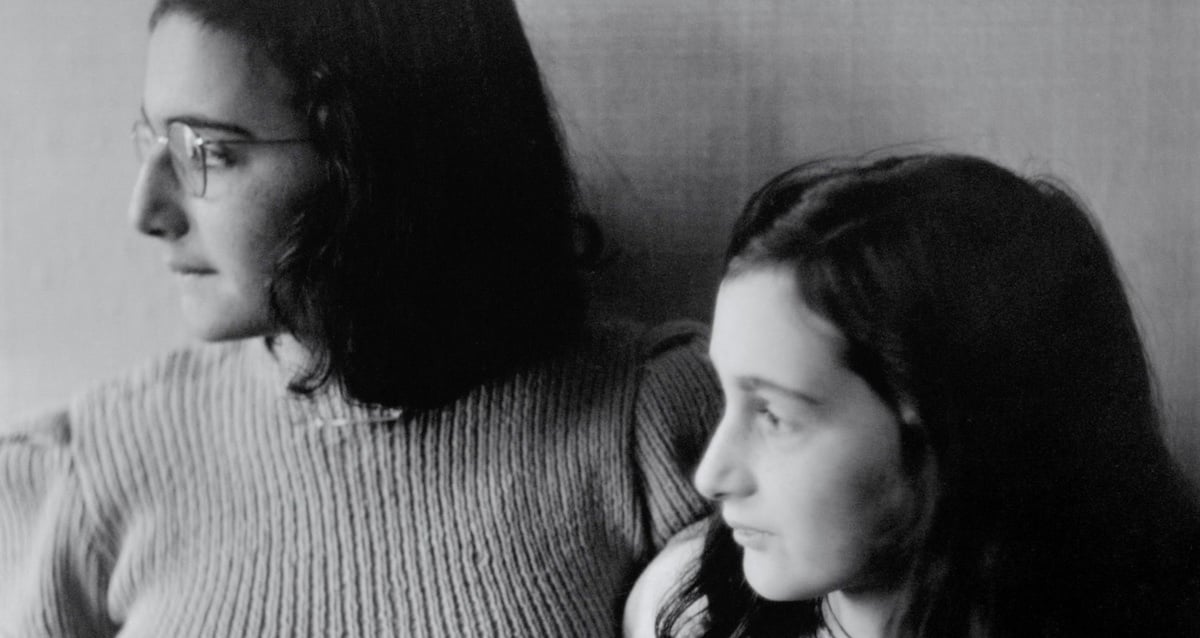
When we talk about Anne Frank, we often remember her diary and the powerful story of a young girl facing unimaginable hardship during World War II. But tucked away from the spotlight is her older sister, Margot Frank, a woman whose life was equally intertwined with this tragic chapter in history.
Margot wasn’t just Anne’s sibling; she was a bright student who excelled despite the growing restrictions placed on Jews by the Nazi regime. Unlike Anne, who often described herself as more outgoing and even mischievous, Margot was seen as the intelligent and studious one. Together, they faced the rising tide of persecution that ultimately forced their family into hiding in a secret annex behind Otto Frank’s office.
Their time in hiding was marked by fear, uncertainty, and the constant threat of discovery. Tragically, both sisters were eventually captured and sent to concentration camps. How old was Margot Frank when she died? She was just 19 years old when she perished from typhus in February 1945, barely a few months before the end of the war. While Anne’s diary has become a universal testament to their experiences, little is known about Margot’s own thoughts and feelings during those dark days.
Margot Frank: A Life Cut Short
Despite being Anne’s older sister, Margot often lived in her shadow. Anne’s diary, with its candid and moving reflections, has become a cornerstone of Holocaust remembrance, captivating readers with its youthful honesty and poignant observations. Yet, Margot’s story remains largely untold. We have glimpses into her character through letters and anecdotes shared by family and friends, painting a picture of a kind, intelligent young woman who was deeply loved.
Margot wasn’t just defined by the tragedy that befell her. She was a promising student with a thirst for knowledge, excelling in school despite the disruptions caused by their forced relocation from Germany to Amsterdam. She enjoyed reading and writing, finding solace in creative pursuits even amidst the growing darkness of Nazi rule. We can imagine her as a bright spark, full of potential, whose life was cruelly cut short at just 19 years old.
The silence surrounding Margot’s experiences is deafening. While we know she shared Anne’s fate, ending up in concentration camps where they both tragically died from typhus, we lack the personal accounts that could truly illuminate her inner world. This absence only serves to underscore the immeasurable loss that occurred when so many lives were extinguished during the Holocaust, leaving behind untold stories and unfulfilled dreams.
The Complex Relationship Between Sisters
While both Anne and Margot Frank faced the horrors of the Nazi regime together, their personalities differed in fascinating ways. Anne, known for her outspoken nature and vibrant spirit, often portrayed herself as the more extroverted sister. She filled her diary with stories about her family, her friends, and her hopes for the future. Margot, on the other hand, was described as quieter and more introspective, a bright and diligent student who preferred reading and writing to social gatherings.
Despite these differences, their bond was undeniable. Anne frequently wrote about Margot in her diary, expressing admiration for her intelligence and kindness. She often sought advice from her older sister and confided in her about her fears and anxieties. Their relationship wasn’t always smooth sailing – sisters can be competitive and sometimes clash – but through it all, there was a deep love and respect between them.
We see glimpses of their complex dynamic in Anne’s diary entries, revealing moments of playful banter, shared laughter, and unwavering support for one another during incredibly difficult times. They relied on each other for comfort and strength as they navigated the uncertainties of hiding from the Nazis. Understanding their relationship adds another layer to the already profound impact of their story, reminding us that even amidst tragedy, human connections can endure and offer solace.
 Worlds Smartest Woman: Marilyn Mach Vos Savant & Intelligence
Hiding from Nazi Persecution
Imagine living in constant fear, knowing that the world outside your door is a dangerous place. That was the reality for Anne and Margot Frank, along with their parents Otto and Edith, after they went into hiding to escape Nazi persecution.
Their refuge was a secret annex behind Otto’s office building in Amsterdam. It was a cramped space, shared by eight people, where every sound had to be muffled, every move carefully planned. They lived on rations, constantly listening for signs of intruders, and venturing out only under the cover of darkness for essential supplies. Living in hiding became their new normal – a world of hushed whispers, anxieties about discovery, and daily struggle to maintain hope amidst despair.
This clandestine existence took an immense toll on their lives. They were cut off from the outside world, missing their friends and family, unable to attend school or participate in ordinary activities. The constant fear and uncertainty weighed heavily on them, especially for a young girl like Anne, who yearned for a normal life but was forced to face unimaginable challenges at such a tender age.
Anne’s Diary and the Untold Story of Margot
Anne Frank’s diary has become a timeless testament to the human spirit’s resilience in the face of unimaginable adversity. Published posthumously, it offered the world a glimpse into the thoughts and feelings of a young girl confined to hiding during one of history’s darkest chapters.
However, Anne’s diary also serves as a poignant reminder of Margot Frank’s story – a life that was tragically cut short but deserves to be remembered beyond being merely Anne’s sister. While Anne poured her heart onto the pages of her diary, sharing intimate details about her experiences and emotions, Margot’s own voice remains largely unheard.
This silence underscores the importance of acknowledging both sisters’ stories equally. We must strive to unearth more information about Margot’s life, her dreams, and her struggles, ensuring that she is not overshadowed by Anne’s legacy. By remembering both sisters, we honor their individual experiences and contribute to a more complete understanding of the profound impact of the Holocaust on countless lives.
Remembering a Forgotten Soul
It’s easy to get lost in the shadow of Anne Frank’s diary, a powerful testament to her resilience and the horrors she endured during World War II. But it’s crucial to remember that Margot Frank existed as an individual, with her own hopes, aspirations, and experiences that deserve recognition.
Margot wasn’t just Anne’s older sister; she was a bright young woman whose life was tragically cut short at just 19 years old. While we may never fully know the depth of her thoughts and feelings during those dark times, we can honor her memory by striving to understand her as more than just a footnote in history.
Remembering Margot means acknowledging the complexities of their relationship, appreciating her individual contributions to their family, and recognizing the immeasurable loss that occurred when she was taken from us too soon. It’s about ensuring that her story is told, that her legacy lives on, and that we remember all those who were lost during the Holocaust, not just those whose voices have echoed through time.