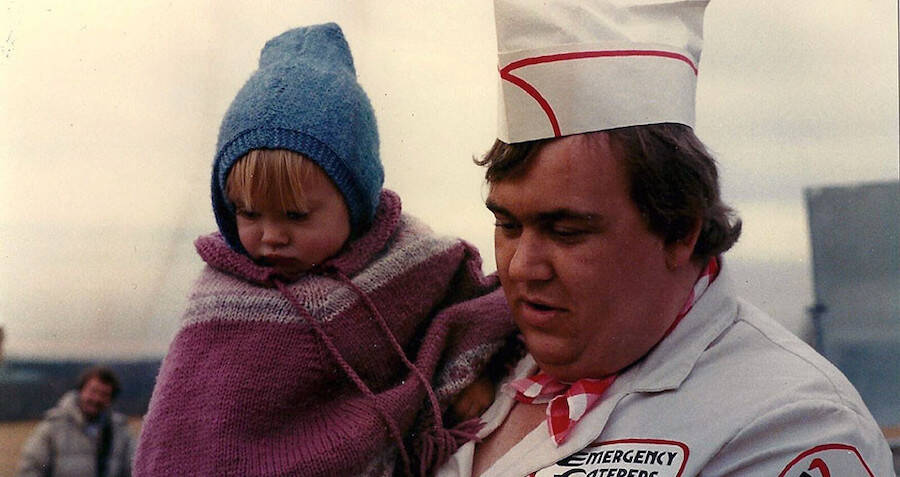
John Candy was a comedic force of nature. His infectious laugh and ability to bring warmth and humor to even the most absurd situations made him a beloved figure in Hollywood. From his early days on SCTV to his starring roles in classic films like “Planes, Trains and Automobiles” and “Uncle Buck,” Candy brought joy to audiences around the world.
His larger-than-life persona often masked a deeply personal struggle with health issues. Candy’s father died from a heart attack when he was just five years old. This event had a profound impact on him, shaping his worldview and contributing to anxieties about his own mortality. Throughout his life, Candy battled drug addiction and overeating, habits he believed were partly fueled by this early loss and a sense of what did John Candy die from looming over him.
Despite these challenges, Candy remained dedicated to his craft and brought happiness to millions through his comedic brilliance. His sudden death in 1994 at the age of 43 shocked Hollywood and fans across the globe.
Life and Career of John Candy
John Candy’s journey to comedic stardom began in his hometown of Toronto, Canada. He honed his skills through theater and stand-up comedy before landing a role on the influential sketch comedy show “SCTV.” His breakout performance as various eccentric characters quickly caught the attention of audiences and critics alike.
This success paved the way for film roles, catapulting him into mainstream fame. Candy’s comedic genius shone in films like “Planes, Trains and Automobiles,” where his chemistry with Steve Martin created one of cinema’s most memorable pairings. He continued to deliver heartwarming and hilarious performances in movies such as “Uncle Buck,” “Splash,” and “The Great Outdoors.” Candy’s ability to portray lovable, flawed characters resonated deeply with viewers, making him a true icon of the 80s and early 90s comedy scene.
Beyond his comedic talent, Candy was known for his generosity and kindness both on and off screen. He had a genuine warmth that drew people to him, forging lasting friendships with fellow actors and crew members. Sadly, Candy’s life was cut short at the age of 43 while filming “Wagons East.” His untimely passing left a gaping hole in the entertainment industry, but his legacy as a comedic genius continues to inspire and entertain audiences worldwide.
The Shadow of Heart Disease
John Candy’s life was tragically marked by the shadow of heart disease. This looming threat stemmed from his father’s passing at a young age due to a heart attack when Candy was only five. This early experience deeply affected him, fostering a sense of vulnerability and perhaps contributing to unhealthy coping mechanisms later in life.
Candy struggled with drug addiction and overeating throughout his career. These habits, he often confessed, were partly fueled by the emotional weight of his father’s death and a fear of what happened to John Candy repeating itself. Despite seeking help through various diets and exercise regimes, Candy remained susceptible to the dangers of heart disease. His comedic persona sometimes concealed the inner turmoil he faced, creating a poignant contrast between his public image and personal struggles.
This internal conflict ultimately culminated in his untimely death at the age of 43 while filming “Wagons East.” Candy’s passing served as a stark reminder of the power of genetics and the importance of addressing health concerns head-on.
 Scene John Belushi Death: A Tragic End to a Comedy Legend
John Candy’s Struggles with Addiction and Overeating
John Candy’s public persona was one of infectious laughter and comedic genius. Behind this vibrant exterior, however, lay a personal struggle with addiction and overeating that deeply affected him throughout his life. Candy openly acknowledged these challenges in several interviews, attributing them partly to the emotional trauma of witnessing his father’s death from a heart attack at a young age.
He believed this early experience instilled a fear of mortality and contributed to unhealthy coping mechanisms. Candy found solace in food and drugs, using them to numb the pain and anxieties he carried. Despite seeking help through various diets and exercise programs, he constantly battled these demons, highlighting the cyclical nature of addiction and the complex interplay between mental and physical health.
Candy’s struggles serve as a poignant reminder that even those who appear outwardly happy can be grappling with internal battles. His story emphasizes the need for understanding, compassion, and readily available support systems for individuals facing similar challenges.
Tragic Death on Set
John Candy’s untimely death shocked the world and left a gaping hole in the entertainment industry. On March 4, 1994, while filming “Wagons East,” Candy suffered a fatal heart attack at the young age of 43. The scene was described as heartbreaking, casting a somber shadow over what was supposed to be a lighthearted western comedy.
His passing came as a devastating blow to fans and colleagues alike who had come to adore his comedic talent and warm personality. Candy’s death served as a stark reminder of the fragility of life, especially in the face of what killed John Candy. It also highlighted the dangers of unchecked health issues, even for those seemingly at the peak of their career.
The news spread like wildfire, triggering an outpouring of grief and tributes from across the globe. His legacy as a comedic icon lived on, forever etched in the hearts of millions who had laughed along with his unforgettable performances.
A Lasting Legacy in Comedy
Despite his tragically short life, John Candy left an enduring mark on the world of comedy. His unique blend of physical humor, heartwarming characters, and genuine warmth resonated with audiences across generations. Films like “Planes, Trains and Automobiles” and “Uncle Buck” remain comedic classics, quoted and rewatched by fans to this day.
Candy’s influence extends beyond his iconic roles. His ability to find humor in everyday situations and his knack for creating relatable characters paved the way for a new wave of comedic actors. He demonstrated that laughter could be both infectious and deeply meaningful, touching on universal themes of family, friendship, and the human condition.
Even years after his passing, what was the cause of death for John Candy is still discussed alongside his incredible talent. His legacy continues to inspire aspiring comedians and remind audiences of the power of laughter to bring joy and connection.