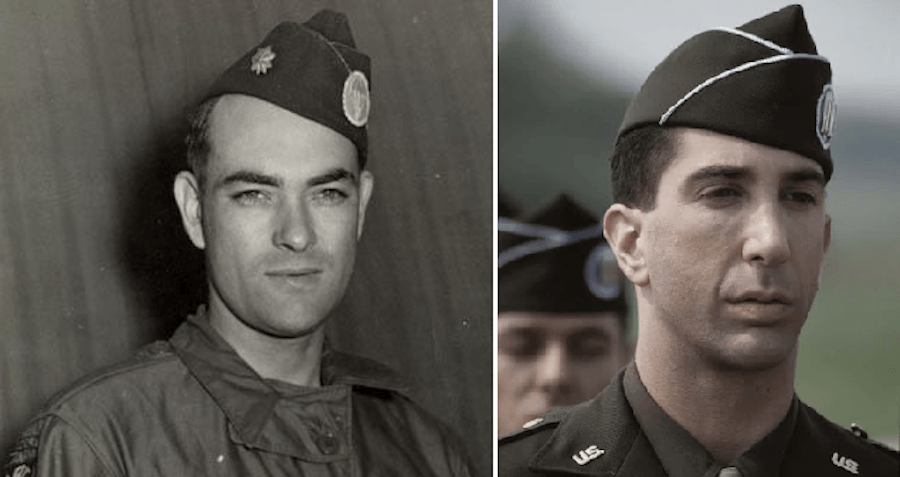
Herbert Sobel’s name echoes through the halls of military history, forever linked to his portrayal in the acclaimed miniseries Band of Brothers. He was cast as a stern, demanding officer, nicknamed “the devil in jump boots” due to his unforgiving training methods and strict leadership style. While this depiction captured the essence of Sobel’s intensity, it also simplified a complex man whose story goes far beyond the battlefield drama.
Herbert Sobel old, with decades behind him, was more than just a caricature of military rigidity. He was a product of his time, molded by wartime pressures and a belief system that emphasized discipline above all else. This unwavering commitment to training, though sometimes harsh by modern standards, proved instrumental in shaping Easy Company into the cohesive and effective fighting force they became. Sobel’s soldiers, while often pushed to their limits, learned valuable lessons about resilience, teamwork, and the importance of preparation under his watchful eye.
His legacy, however, remains a complex tapestry woven with threads of both praise and criticism. While many acknowledge Sobel’s contributions to Easy Company’s success, others point to his shortcomings as a field commander – struggles with map reading and battlefield adaptation that ultimately led to his removal from command. Yet, even in his faults, there are glimpses of the man behind the myth: a leader grappling with the weight of responsibility, striving for excellence while navigating the chaotic realities of war.
The Tyrant in Jump Boots: Sobel on Screen and Off
The image of Sobel as the “devil in jump boots” captivated audiences worldwide, largely thanks to Damian Lewis’s compelling performance in Band of Brothers. His portrayal wasn’t just about yelling and harsh punishments; it captured a sense of unwavering conviction, bordering on fanaticism, when it came to training his men. The series didn’t shy away from showcasing Sobel’s flaws – his rigidity, lack of tactical flexibility, and even moments of questionable judgment. Yet, Lewis managed to imbue him with a complexity that transcended the archetype of the tyrannical officer.
In reality, as with most historical figures, the man behind the screen persona was more nuanced than the simplified narrative presented. While Sobel undoubtedly possessed a demanding leadership style, contemporaries spoke of his genuine concern for his men’s well-being and his unwavering dedication to their success on the battlefield. The series, while fictionalized, drew upon real accounts and interviews to construct its portrayal, capturing a sense of the man’s internal conflict between duty and compassion, discipline and camaraderie.
Ultimately, Sobel’s legacy is forever intertwined with the impact of Band of Brothers. Though his story may be told through a dramatic lens, it serves as a reminder that history is rarely black and white. Behind every figure who commands attention, there are layers of human experience waiting to be explored – triumphs, struggles, contradictions, and ultimately, a complex tapestry woven from the threads of their choices and circumstances.
A Legacy of Rigor: Sobel’s Training Methods and Their Impact
Sobel’s training methods were legendary, even among seasoned soldiers. He believed in pushing his men to their absolute limits, both physically and mentally. His days were filled with grueling exercises designed to build strength, stamina, and endurance – endless drills, obstacle courses, and long marches that tested every fiber of a soldier’s being. Sobel’s mantra was simple: “Tough times don’t last, tough people do.” He instilled in Easy Company the belief that hardship was an inevitable part of war and that true strength lay not just in physical prowess but also in mental fortitude.
This rigorous approach wasn’t without its critics. Some saw Sobel’s methods as unnecessarily brutal, pushing men beyond their breaking point. Yet, even those who found his training style harsh acknowledged the effectiveness. Sobel’s emphasis on discipline and preparation paid dividends on the battlefield. Easy Company, forged in the crucible of his demanding regimen, proved to be a cohesive unit capable of withstanding immense pressure and executing complex tactical maneuvers with precision.
As they faced the horrors of war head-on, Sobel’s early training became a lifeline for many soldiers. It had instilled in them the resilience to endure unimaginable hardship, the ability to operate as a unified force under fire, and the unwavering belief that they could overcome any challenge. Though his methods might have been unconventional, Herbert Sobel‘s legacy as a trainer rests firmly on the shoulders of Easy Company – a testament to the enduring power of rigorous discipline in shaping warriors.
Beyond the Bad Reputation: Sobel’s Contributions to Easy Company
Despite his reputation as a harsh disciplinarian, Sobel’s impact on Easy Company extended far beyond mere physical and mental toughness. He cultivated a deep sense of camaraderie within the ranks, fostering an environment where soldiers looked out for one another and relied on their shared experiences to navigate the horrors of war. Sobel, despite his own struggles with battlefield adaptability, understood the importance of unity and trust, instilling in his men a belief that they were stronger together than they were individually.
His emphasis on standardization and meticulous planning during training proved invaluable in combat situations. While some might argue that his rigid approach stifled creativity on the battlefield, it also provided a framework for action in chaotic environments. Easy Company, accustomed to following strict orders and executing them with precision, demonstrated an impressive level of coordination and effectiveness under fire. Sobel’s early focus on training laid the groundwork for their success in crucial engagements like the Bulge, where their discipline and preparedness were instrumental in overcoming seemingly insurmountable odds.
It’s important to remember that Sobel was a product of his time, shaped by the demands of a generation grappling with unprecedented global conflict. His methods might have been unconventional, even brutal at times, but they were born out of a genuine desire to prepare his men for the horrors that awaited them. While history may ultimately judge him for both his triumphs and failures, it’s undeniable that Herbert Sobel played a vital role in shaping Easy Company into the legendary unit they became – a testament to the complex interplay between leadership, discipline, and the will to survive against all odds.
From Battlefield to Private Life: Sobel’s Post-War Struggles
The war ended, but for Sobel, the battles continued. He returned home a decorated veteran, yet found himself struggling to readjust to civilian life. The camaraderie of Easy Company had been replaced by a profound sense of isolation. He grappled with recurring nightmares and a deep-seated guilt over the losses he’d witnessed, haunted by the memories of war that refused to fade.
Sobel’s personal demons deepened over time, leading to strained relationships and ultimately estrangement from his family. He drifted through various jobs, never truly finding solace or purpose outside the battlefield environment he knew so well. The man who had commanded with such unwavering conviction now seemed lost and adrift, a tragic reminder that even the toughest warriors can be wounded by invisible scars.
His story serves as a poignant reminder that war’s impact extends far beyond the battlefields. Herbert Sobel’s post-war struggles highlight the immense toll that conflict takes on individuals, leaving behind lasting emotional wounds that can be difficult to heal. His legacy is a complex tapestry woven with threads of courage, dedication, and ultimately, profound human vulnerability.
A Complex Figure: Assessing Sobel’s Lasting Influence
Herbert Sobel remains a figure who sparks debate and diverse interpretations even decades after his military service. Some view him as a ruthless tyrant, a caricature of rigid discipline whose methods were more harmful than helpful. Others, however, recognize the complexities within his character – a man driven by an unwavering commitment to his men’s well-being, albeit expressed through unconventional and often harsh means.
Ultimately, assessing Sobel’s lasting influence requires acknowledging both sides of this coin. His rigorous training undoubtedly contributed to Easy Company’s effectiveness in combat, instilling in them the toughness and resilience needed to survive the horrors of war. Yet, his rigid style and shortcomings as a field commander serve as a cautionary tale about the limitations of solely prioritizing discipline over adaptability and interpersonal connection.
Sobel’s legacy is a reminder that history rarely offers simple answers. He was a product of his time, shaped by the demands of war and the prevailing belief systems of his era. While some aspects of his leadership might seem outdated or even counterproductive today, it’s essential to understand the context in which he operated. The story of Herbert Sobel compels us to examine not just the actions of historical figures but also the broader social and cultural forces that shaped them, leaving behind a legacy that continues to resonate with both admiration and controversy.