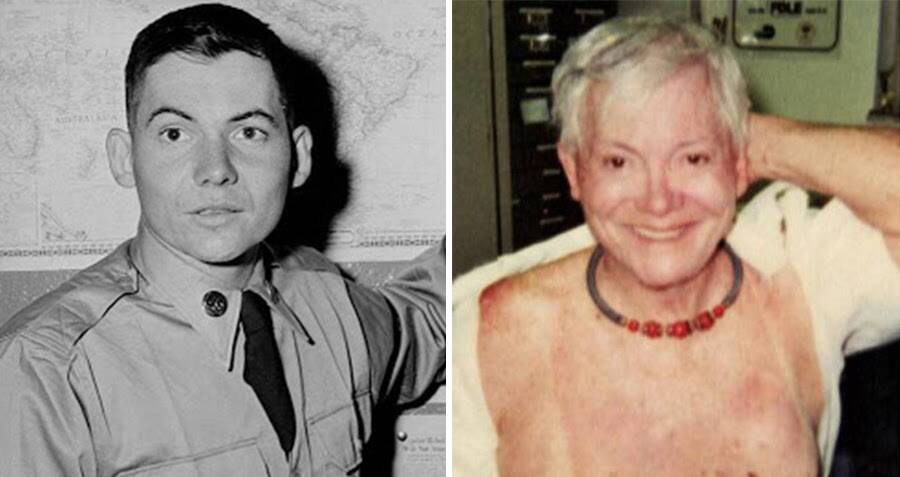
Gloria Hemingway was a complex and tragic figure whose life unfolded against the backdrop of one of literature’s most iconic figures: her father, Ernest Hemingway. Born Gregory Hancock Hemingway, Gloria always felt drawn to feminine things, a stark contrast to her father’s image as a rugged, masculine writer. This internal conflict deeply troubled Ernest, who often struggled to understand his daughter’s identity.
Despite the tension, recent biographies suggest that Ernest may have grappled with his own gender identity, leading to a unique bond between him and Gloria. They shared a “strange tribe,” as he put it, bound together by an understanding that transcended societal norms. This unusual connection served as a foundation for their relationship, but ultimately, Gloria’s life would be marked by tragedy and turmoil.
Let’s delve into the complexities of Gloria Hemingway’s life, exploring her struggles with gender identity, the devastating events that shaped her path, and the lasting impact of her father’s legacy. From early childhood to adulthood, Gloria faced constant challenges that tested her resilience and ultimately led to a life filled with both triumph and heartbreak.
A Life Defined by Gender Identity
From a young age, Gloria displayed a strong inclination towards femininity, a stark contrast to the masculine world her father cultivated. This internal conflict deeply troubled Ernest, who struggled to comprehend his daughter’s expression of gender identity. He often expressed frustration and confusion, leading to a strained relationship between them. While Ernest grappled with these feelings, Gloria remained true to herself, finding solace in activities and pursuits that aligned with her feminine identity.
Despite facing societal pressures and disapproval from her father, Gloria persevered. Her journey wasn’t easy, marked by internal struggles and external challenges. However, she found strength in her own convictions, forging a path that honored her authentic self. It is important to remember that Gloria lived in a time when societal norms and expectations regarding gender were rigid and unforgiving. Her courage in embracing her identity, even in the face of adversity, deserves recognition and admiration.
This internal conflict ultimately shaped Gloria’s life, influencing her relationships, choices, and self-perception. It laid the foundation for the complex and often tragic narrative that unfolded throughout her years.
The Troubled Relationship with Ernest Hemingway
Ernest Hemingway’s relationship with Gloria was deeply complex and fraught with tension. While he expressed affection for his daughter in moments, his struggle to understand her gender identity created a chasm between them. Ernest often voiced disapproval of Gloria’s feminine expressions, which clashed with his own rigid views on masculinity. This led to frequent arguments and emotional distance, leaving Gloria feeling misunderstood and unloved by her famous father.
Despite the struggles, there were glimpses of connection between them. Ernest recognized their shared “strange tribe,” hinting at a deeper understanding that transcended societal norms. However, these moments were often overshadowed by his disapproval, creating a cycle of pain and estrangement. The tragic events that unfolded in Gloria’s life further strained their bond, leaving them both grappling with guilt, grief, and resentment.
This complicated relationship ultimately shaped both Gloria and Ernest’s lives, leaving lasting scars on their hearts.
Tragedy and Estrangement
The events that followed Gloria’s arrest at age 19 for her gender expression cast a long shadow over the family. Her mother, Pauline, was deeply affected by the incident and tragically died shortly after due to the stress it caused. This devastating loss further complicated Gloria’s relationship with Ernest, who blamed his daughter for his wife’s death, adding another layer of pain and guilt to their already strained bond.
Ernest’s accusation shattered any remaining connection between them, leading to a bitter estrangement. Gloria felt abandoned and rejected by the one person she desperately needed—her father. She struggled with feelings of remorse and despair, convinced she had inadvertently caused her mother’s death and pushed away her father in the process. This profound sense of guilt and loss followed Gloria throughout her life, shaping her actions and choices.
The tragedy that befell their family served as a catalyst for further hardship and separation, leaving both Gloria and Ernest grappling with the consequences of this devastating event.
Searching for Acceptance
In the aftermath of her mother’s death and estrangement from Ernest, Gloria embarked on a journey of self-discovery, desperately seeking acceptance and belonging. She experimented with various identities and lifestyles, trying to find a place where she felt truly seen and understood. She embraced unconventional paths, including heavy drinking and dangerous pursuits like elephant hunting in Africa. These experiences offered temporary solace but ultimately failed to fill the void within her.
Despite her struggles, Gloria never gave up searching for her true self. She enrolled in medical school, hoping to find meaning and purpose through healing others. Yet, her past traumas continued to haunt her, and she was deeply affected by the harsh realities of the medical field. The guilt over her mother’s death and the emotional abuse she experienced at the hands of her father lingered, casting a shadow over her aspirations.
Her journey was one of constant searching, marked by both highs and lows as she navigated the complexities of identity, acceptance, and forgiveness.
Living Authentically
Eventually, Gloria made the courageous decision to fully embrace her true identity. She underwent sex reassignment surgery in 1995 and transitioned into living as a woman. This pivotal moment marked a turning point in her life, allowing her to finally live authentically and free from the constraints of societal expectations. She found peace and acceptance within herself, shedding the burdens of the past and embracing her womanhood.
Although Gloria later faced challenges with failed marriages and the loss of her medical license due to alcohol abuse, she remained determined to live a fulfilling life on her own terms. She accepted both masculine and feminine pronouns, demonstrating a fluidity in her identity that defied rigid labels. Gloria’s story is a testament to the power of self-acceptance and the courage it takes to embrace one’s true nature, no matter the obstacles.
She proved that living authentically is a journey worth taking, even when faced with adversity and societal judgment.