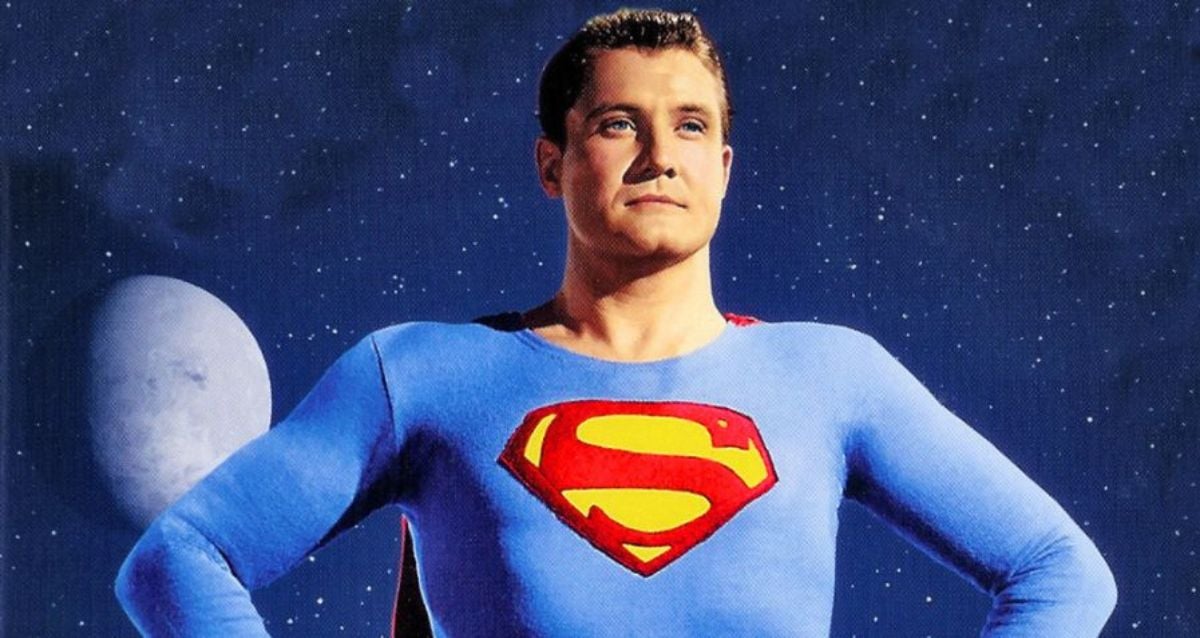
George Reeves, the man who brought Superman to life on television screens across America, remains a figure shrouded in mystery. While officially ruled a suicide in 1959, the circumstances surrounding his death have sparked countless debates and fueled enduring speculation. His untimely passing at the age of 45 left fans and colleagues alike grappling with unanswered questions, wondering if there was more to the story than met the eye.
Reeves’s life wasn’t without its struggles. Despite achieving fame as the Caped Crusader, he grappled with career frustrations and personal turmoil. The iconic role of Superman, while beloved by audiences, came to define him, limiting his opportunities in other areas of acting. This feeling of being typecast, coupled with a demanding schedule and financial pressures after the show’s cancellation, took its toll.
Adding to the complexity were Reeves’s complicated relationships. His entanglement with Toni Mannix, wife of powerful MGM executive Eddie Mannix, added another layer of intrigue. Alleged ties between Mannix and organized crime only deepened the mystery. Why did George Reeves kill himself? This question continues to haunt those who remember him and those fascinated by the unsolved case. Was his death truly a tragic consequence of personal demons and professional setbacks, or was there something darker at play?
The Rise And Fall Of A Superman Star
George Reeves’s journey to becoming the iconic Superman was a tale of ambition and hard work. He started his career on the stage before moving to Hollywood, appearing in numerous films and television shows. While he showcased his acting talent, it wasn’t until 1952 that he landed the role that would change his life forever: Clark Kent, aka Superman, in the popular series “Adventures of Superman.”
His portrayal captured the essence of the beloved comic book character – strong yet compassionate, heroic yet vulnerable. Reeves embodied Superman’s unwavering moral compass and dedication to justice, resonating with audiences worldwide. The show became a sensation, catapulting him to stardom and solidifying his place in pop culture history. However, as with many rising stars, fame came with its own set of challenges.
He began to feel the weight of being typecast – the Superman role defined him, limiting opportunities to explore other facets of his acting abilities. Despite his success, Reeves yearned for more creative freedom and a chance to break free from the shadow of the superhero persona. This internal conflict added another layer to his story, highlighting the complexities that often accompany fame.
Career Struggles And Personal Turmoil
After six successful seasons of “Adventures of Superman,” the show’s cancellation in 1958 marked a turning point for Reeves. The sudden end to his most prominent role left him feeling adrift both professionally and personally. He struggled to find new projects that would satisfy his artistic ambitions, facing rejection from many studios unwilling to see him beyond the iconic Superman persona. This creative frustration coupled with financial strain added to his growing sense of disillusionment.
Reeves’s personal life also became increasingly complicated. His relationships suffered as he grappled with feelings of isolation and dissatisfaction. He sought solace in affairs, including one with Toni Mannix, wife of powerful MGM executive Eddie Mannix, whose alleged ties to organized crime fueled further speculation about Reeves’s world outside the screen. This period was marked by a sense of unease and instability, casting a shadow over his already uncertain future.
The weight of career struggles and personal turmoil began to take its toll on Reeves’s mental well-being. He faced relentless pressure from the public and industry alike, struggling to reconcile his public image with his private anxieties. The once bright star seemed dimmed, consumed by a darkness that would tragically lead to his demise in just over a year.
 Geri McGee: Real Life Ginger From Casino
Unraveling The Mystery: Evidence and Inconsistencies
The official ruling of suicide in Reeves’s death was met with skepticism from many who knew him well. Inconsistencies in the evidence and surrounding circumstances fueled speculation that something more sinister might be at play. Witnesses offered conflicting accounts of events leading up to his death, casting doubt on the straightforward narrative presented by authorities. Some claimed to have seen bruises on Reeves’s body that were not accounted for in the initial investigation, raising questions about potential foul play.
Adding further fuel to the fire was the fact that Toni Mannix, with whom Reeves had a tumultuous relationship, reportedly knew about his death before police arrived at the scene. This knowledge, coupled with her husband Eddie’s connections to organized crime, planted seeds of doubt in the minds of many who wondered if there were hidden motives behind Reeves’s demise.
The lack of transparency surrounding the investigation only served to intensify public suspicion. Further inquiries conducted by Reeves’s mother and his attorney, Jerry Giesler, failed to provide conclusive answers, leaving the truth shrouded in ambiguity. Was George Reeves murdered? Or was it a tragic consequence of personal despair stemming from a life marred by professional setbacks and relationship turmoil?
Theories And Speculation Surrounding His Death
The lack of a definitive answer surrounding Reeves’s death has led to numerous theories and speculations over the years. Some believe it was truly a tragic case of suicide, driven by his profound depression fueled by professional frustrations and broken relationships. This theory points to the heavy toll that fame and public scrutiny took on him, ultimately pushing him to make an irreversible decision.
Others propose more sinister motives behind Reeves’s death. The involvement of Toni Mannix and her husband Eddie in organized crime has led some to suspect foul play, suggesting a potential cover-up or retaliation stemming from a conflict with powerful figures within the industry. The rumors surrounding was George Reeves murdered have persisted for decades, fueled by inconsistencies in the official account and the enduring mystery surrounding his final moments.
Then there are those who believe that Reeves’s death was a result of an unfortunate accident, perhaps a botched suicide attempt or a careless handling of a firearm. This theory, while less dramatic, acknowledges the possibility of human error playing a role in this tragic event. Regardless of the true explanation, George Reeves’s demise remains a haunting reminder of the fragility of life and the enduring power of unanswered questions.
The Legacy Of An Unsolved Case
Despite numerous investigations and countless theories, the case of George Reeves’s death remains officially unsolved. This unresolved mystery continues to fascinate true crime enthusiasts and those who remember him fondly as the beloved Superman. The unanswered questions surrounding his passing serve as a constant reminder that sometimes, even in seemingly clear-cut cases, the truth may remain elusive.
Reeves’s legacy is complex and multifaceted. He will forever be remembered for bringing the iconic character of Superman to life, inspiring generations with his portrayal of heroism and justice. However, his tragic death casts a long shadow over his story, adding a layer of sadness and intrigue that continues to captivate audiences. The enduring fascination with George Reeves’s wife and her alleged connection to the events surrounding his death further fuels speculation about what truly transpired on that fateful night.
The case serves as a cautionary tale about the human cost of fame and the power of secrets to linger long after the curtain falls. It reminds us that even the most celebrated figures can be haunted by darkness, and that sometimes, the truth remains forever hidden.