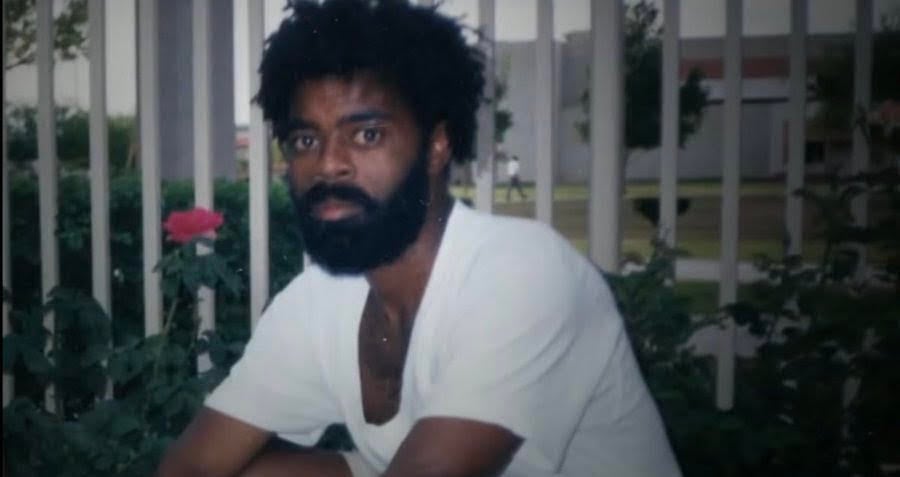
Freeway Rick Ross is a name synonymous with the crack cocaine epidemic of the 1980s. Rising from poverty in South Central Los Angeles, he built a vast drug empire that stretched across the United States. His story is one of ambition, ruthlessness, and ultimately, a fall from grace. While his early life was marked by hardship, Ross managed to turn adversity into opportunity, amassing wealth and influence through illicit means.
Ross’s success came at a devastating cost to countless communities ravaged by drug addiction. His operation fueled the crack cocaine epidemic that tore apart cities and families, leaving a lasting scar on American society. Despite his immense power and control, Ross’s empire crumbled under the weight of law enforcement scrutiny. He was eventually convicted for his crimes and sentenced to life in prison.
His story is a complex one, raising questions about the role of systemic racism, social inequality, and government involvement in the drug trade. While Freeway Rick Ross in the 80s represents a dark chapter in American history, his journey also serves as a cautionary tale about the allure and dangers of unchecked ambition. Understanding his rise and fall provides valuable insights into the complexities of the drug war and its lasting impact on individuals and communities.
The Rise of Freeway Rick Ross
Born in South Central Los Angeles, Freeway Rick Ross’s early life was marked by poverty and violence. He grew up witnessing the struggles of his community firsthand and felt the sting of social inequality from a young age. Determined to escape this cycle, Ross sought opportunities for advancement within the burgeoning drug trade.
His entrepreneurial spirit quickly took hold, leading him to establish a network of suppliers and distributors across the country. Ross’s ambition knew no bounds. He understood that success in the drug world demanded more than just connections; it required business acumen, strategic planning, and an unwavering commitment to profit. He invested his earnings wisely, diversifying his assets through real estate ventures and other legitimate businesses.
This shrewd approach allowed him to amass a fortune estimated in the tens of millions, solidifying his position as one of the most influential Freeway Rick Ross in the 80s. His notoriety grew alongside his wealth, making him a symbol of both success and danger within the LA underworld. He became a feared figure, with rumors swirling about his ruthless tactics and extravagant lifestyle. Ross’s life story serves as a stark reminder that the allure of wealth and power can be seductive, even when it comes at a steep moral cost.
From Kingpin to Convict
Despite his initial success in evading capture, Ross’s empire eventually crumbled under the weight of mounting evidence and internal conflicts. The FBI launched a massive investigation into his drug trafficking operations, meticulously tracking his movements, financial transactions, and network of associates. Law enforcement agencies realized that taking down Rick Ross would require a multi-pronged approach, targeting not only his drug distribution but also his corrupt business dealings and political connections.
This unrelenting pressure eventually led to Ross’s arrest in 1986. He was charged with numerous counts of drug trafficking, money laundering, and racketeering. His trial became a media sensation, drawing intense public scrutiny and highlighting the rampant corruption within law enforcement agencies that had allowed his operation to flourish for so long. Despite facing overwhelming evidence against him, Ross initially managed to escape an initial life sentence due to allegations of prosecutorial misconduct and alleged corruption within the sheriff’s department.
However, justice ultimately prevailed. Ross was later convicted again in a separate trial for conspiring to sell drugs provided by the DEA, leading to his ultimate downfall and a life sentence behind bars. This saga cemented Freeway Rick Ross as a cautionary tale about the fleeting nature of power and the inevitable consequences of pursuing illegal gain at any cost.
 Gertie Davis: Harriet Tubmans Daughter – Life, Death & Legacy
Finding Redemption Behind Bars
Though incarcerated for life, Freeway Rick Ross’s story took an unexpected turn. Driven by a desire for self-improvement and a thirst for knowledge, he dedicated himself to personal growth while behind bars. He taught himself to read, mastering the written word at a time when many would have succumbed to despair. This newfound literacy opened up a world of possibilities, allowing him to delve into complex ideas and challenge his own perspectives.
Ross also became deeply interested in the political landscape, particularly the role of government agencies in the drug trade. He devoured books and articles on the subject, eventually discovering journalist Gary Webb’s exposé “Dark Alliance,” which alleged CIA involvement in the crack cocaine epidemic. This revelation spurred Ross to pursue legal avenues for exoneration, arguing that his actions were fueled by a system designed to exploit vulnerable communities.
His relentless pursuit of justice led him to uncover a legal loophole that reduced his sentence. While still serving time, he emerged from prison as a changed man—a scholar, an activist, and a voice for those marginalized by the very system that had incarcerated him.
Life After Prison: Reinvention and Activism
Upon his release in 2009, Freeway Rick Ross embarked on a remarkable journey of reinvention. He shed the image of a hardened criminal and embraced a new path focused on activism, social commentary, and personal growth. He became a vocal advocate for criminal justice reform, speaking out against the systemic racism and inequality that had fueled his own downfall.
Ross leveraged his platform to share his experiences and raise awareness about the devastating impact of the drug war on communities of color. He wrote several books detailing his story and offering insights into the complex issues surrounding incarceration and rehabilitation. He also pursued acting roles, using his newfound fame to shed light on social injustices and inspire change.
However, not everything went smoothly for Ross in his post-prison life. His legal battle with rapper Rick Ross (who shares a similar name) over trademark infringement ultimately ended in defeat, highlighting the complexities of navigating fame and public perception. Despite this setback, Freeway Rick Ross continues to fight for justice and redemption, inspiring others with his unwavering commitment to personal growth and social change.
The Legacy of Freeway Rick Ross
Freeway Rick Ross remains a controversial figure in American history. His story serves as a stark reminder of the devastating consequences of the drug war and the complex interplay between poverty, opportunity, and societal inequality. While his actions undeniably caused harm, understanding the context of his rise and fall offers valuable insights into the systemic issues that continue to plague communities across the nation.
Ross’s legacy is multifaceted and continues to be debated today. Some view him as a ruthless criminal who profited from the misery of others, while others see him as a victim of circumstance, caught in a web of corruption and exploitation. His story raises important questions about personal responsibility, systemic injustice, and the human capacity for both destruction and redemption.
Ultimately, what happened to Freeway Rick Ross serves as a cautionary tale about the allure of power and the dangers of unchecked ambition. It also highlights the importance of addressing the root causes of crime and inequality in order to create a more just and equitable society. His life and journey offer a unique lens through which to examine the complexities of American history and the enduring consequences of our choices.