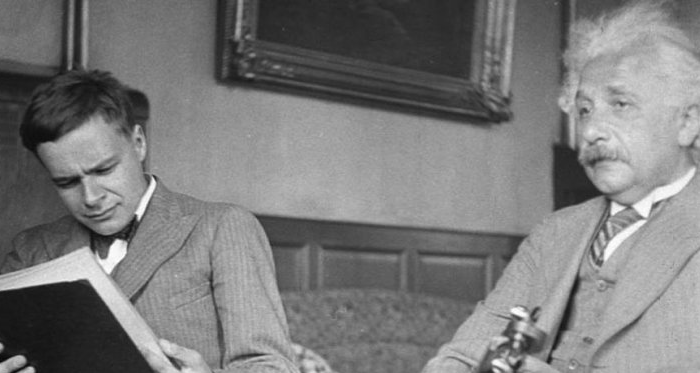
The life of Eduard Einstein, the youngest son of the renowned physicist Albert Einstein, is a poignant tale intertwined with both brilliance and tragedy. Born in 1910 amidst the intellectual vibrancy of Zurich, Eduard grew up surrounded by the echoes of his father’s groundbreaking theories and the hopes for a bright future. However, from an early age, Eduard’s path took a somber turn marked by health struggles and a gradual descent into mental illness.
Despite his father’s unwavering love and support, Eduard’s condition deteriorated throughout his life. He battled with schizophrenia, a debilitating mental disorder that cast a long shadow over his existence. In 1930, the darkness reached its peak when he attempted to take his own life, serving as a stark reminder of the immense pain he endured. This event deeply shook Albert Einstein, who desperately sought ways to help his son. He visited him in sanatoriums and provided financial aid, hoping for a miracle that would free Eduard from the clutches of his illness.
Tragically, Eduard Einstein’s fate was sealed. His mental decline prevented him from joining his father and brother in their emigration to the United States, seeking refuge from the rising tide of Nazi persecution. Their final meeting before the family’s departure became a bittersweet farewell, etched forever in Albert’s memory. Eduard remained confined to a Swiss asylum for over three decades, ultimately succumbing to a stroke at the age of 55 in 1965.
A Life Marked by Illness
From his earliest years, Eduard’s life was overshadowed by health challenges. While the specific details of his childhood ailments remain somewhat unclear, it is known that he often suffered from bouts of illness that cast a pall over his early development. This pattern set the stage for a more profound struggle as he entered adulthood.
As Eduard reached his late teens and early twenties, his symptoms became increasingly concerning. He exhibited erratic behavior, struggled to maintain relationships, and experienced profound shifts in mood. His once bright eyes seemed dulled by an inner turmoil that gnawed at his spirit. It was during this period that the specter of schizophrenia began to loom large over Eduard Einstein’s life. This complex mental disorder, characterized by hallucinations, delusions, and a fragmented sense of reality, would tragically define much of his existence.
The diagnosis brought both relief and sorrow. A name was finally given to the torment that had plagued him for so long, yet it offered no easy solutions. Eduard’s illness steadily worsened, isolating him from the world and severing the bonds he once held with his family.
The Diagnosis of Schizophrenia
The gravity of Eduard’s situation became increasingly apparent as the years passed. His erratic behavior, once dismissed as youthful indiscretions or even eccentricity, morphed into something far more sinister. Hallucinations plagued him, whispers and visions that tormented his waking hours and invaded his dreams. Delusions took root in his mind, twisting reality and creating a world where logic and reason held little sway.
Facing these terrifying symptoms, Eduard’s family sought medical guidance with growing desperation. The diagnosis of schizophrenia came as both a revelation and a crushing blow. While it offered an explanation for the torment that had consumed him, it also cast a long shadow over his future, painting a bleak picture of ongoing struggle and potential isolation.
This diagnosis was not merely a label; it represented a profound shift in Eduard’s life. It separated him from the world he once knew, pushing him further into the realm of mental illness and away from the normalcy that had seemed within reach for so long.
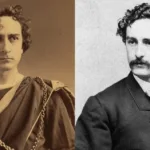 Edwin Booth Cause of Death: Legacy & Life on Stage
Albert Einstein’s Efforts to Provide Care
Faced with his son’s devastating illness, Albert Einstein devoted himself to providing Eduard with every possible form of care and support. He visited him frequently in sanatoriums, hoping to offer a glimmer of comfort and reassurance amidst the darkness of his condition. His letters, filled with love and concern, were a lifeline for Eduard, reminding him that he was not forgotten and that his father’s love transcended the boundaries of mental illness.
Financially, Einstein spared no expense in ensuring Eduard received the best possible treatment available. He understood that access to quality medical care was crucial, even if it offered no guarantee of a cure. The weight of Eduard’s suffering, however, was a constant burden on his soul. Despite his brilliance and public acclaim, Einstein remained deeply troubled by his son’s fate.
The emotional toll was immense. He carried the weight of guilt, questioning whether he had done enough to prevent this tragedy. Yet, through it all, Einstein never gave up hope, clinging to the belief that one day Eduard might find some measure of peace and well-being. The bond between father and son remained strong, even as Eduard’s condition tragically deteriorated.
Eduard’s Final Years in a Swiss Asylum
As Eduard’s condition worsened and his ability to function independently diminished, he was ultimately admitted to a Swiss asylum in 1930. The institution, while offering some level of care, became a stark reminder of his isolation from the world. He spent over three decades within its walls, confined to a life that offered little solace or hope for recovery. Though Albert made every effort to maintain contact through letters and occasional visits, the distance proved insurmountable.
The asylum walls became symbolic of Eduard’s own internal struggles. He was trapped in a cycle of mental anguish, unable to break free from the grip of schizophrenia. His once vibrant personality faded into silence, replaced by a profound sense of loneliness and despair. He yearned for connection, for normalcy, but his illness had severed those ties, leaving him adrift in a sea of uncertainty.
Despite the tragedy that unfolded within its confines, the asylum staff did their best to provide basic care and maintain a semblance of order. However, resources were limited, and staff turnover was high. Eduard’s personal story became one of many lost souls within the institution, each battling their own demons in the shadows of societal indifference.
Legacy of Tragedy and Family Bonds
Eduard’s life serves as a poignant reminder of the devastating impact mental illness can have on individuals and families. His story highlights the complexities of navigating such a challenging condition, even within a loving and supportive family environment. While Albert Einstein’s scientific genius shone brightly, his personal struggles with his son’s schizophrenia cast a long shadow over his life. This duality serves as a powerful testament to the human experience, where triumphs and tragedies often coexist within a single life.
Despite the heartbreaking circumstances surrounding Eduard’s death in 1965 at the age of 55 from a stroke, the bond between father and son endured. Albert never forgot his youngest child, carrying the weight of his loss with him until his own death in 1955. Eduard’s story serves as a poignant reminder that even within families marked by extraordinary achievements, the specter of illness can bring unimaginable pain and loss.
The legacy of Eduard Einstein remains complex and multifaceted. He is remembered not only for his connection to one of history’s most celebrated figures but also for his own unique struggle with mental illness. His story serves as a reminder that behind every family name lies a tapestry of human experiences, both triumphant and tragic.