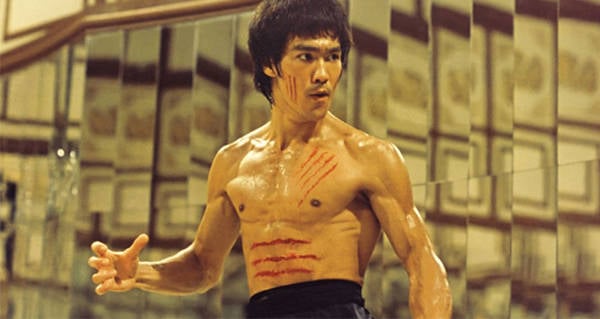
Bruce Lee was more than just a martial arts expert; he was a global icon who transcended the boundaries of film and sport. His philosophy, his charisma, and his unmatched fighting prowess captivated audiences worldwide, solidifying his status as a legend. His untimely death at the age of 32 sent shockwaves through the world, leaving behind a legacy that continues to inspire generations.
While the official cause of death was cerebral edema, a condition marked by brain swelling, the circumstances surrounding Lee’s passing remain shrouded in mystery. The fact that he collapsed during filming and later died after taking an over-the-counter painkiller fueled speculation about foul play and alternative explanations. This ambiguity, coupled with the tragic loss of his son, Brandon Lee, under similar mysterious circumstances years later, has only intensified public curiosity surrounding Bruce Lee’s demise.
Theories abound, ranging from interactions with muscle relaxants to poisoning, secret societies, and even involvement with the Mafia. These theories, while intriguing, often lack concrete evidence. Nevertheless, they persist as a testament to the enduring fascination surrounding bruce lee shot down at the peak of his career.
A Life Cut Short: The Passing of Bruce Lee
Bruce Lee’s death on July 20, 1973, sent shockwaves through the world. He was only 32 years old, at the height of his fame and influence. The news came as a devastating blow to fans, friends, and family alike. His legacy as a martial arts icon, actor, and philosopher was forever cemented in tragedy.
The circumstances surrounding his passing were shrouded in mystery from the outset. Lee had experienced headaches and collapsed during an ADR session for his film “Enter the Dragon” just weeks before. He recovered after treatment with mannitol, a medication used to reduce brain swelling. However, tragically, on the day of his death, Lee took Equagesic, an over-the-counter painkiller containing aspirin and meprobamate, before lying down for a rest. He was later found unresponsive by his companion, Betty Ting Pei.
Despite desperate attempts at resuscitation, Lee was pronounced dead at Queen Elizabeth Hospital in Hong Kong. The official cause of death was cerebral edema, potentially triggered by an allergic reaction to Equagesic. Yet, the circumstances surrounding his final hours fueled speculation and countless theories, many of which remain unproven to this day.
Cerebral Edema and Equagesic Hypersensitivity
While the official cause of death was cerebral edema, a condition marked by swelling in the brain, the exact factors leading to Lee’s tragic demise remain a subject of debate. Cerebral edema can be triggered by various causes, including head injuries, infections, and certain medications. In Lee’s case, the potential role of Equagesic hypersensitivity emerged as a central point of discussion.
Equagesic was an over-the-counter painkiller commonly used in the 1970s, containing aspirin and meprobamate. While generally safe, it could trigger allergic reactions in some individuals, leading to adverse effects like brain swelling. It’s possible that Lee, who had previously experienced headaches and collapsed during filming, was particularly susceptible to Equagesic’s side effects. The combination of his pre-existing condition and the medication could have created a dangerous scenario, ultimately contributing to the fatal cerebral edema.
However, this explanation doesn’t fully account for all the complexities surrounding Lee’s death. The possibility of other contributing factors, such as heatstroke or interactions with muscle relaxants he may have been taking, cannot be entirely ruled out. Further investigations and analysis might shed more light on the precise interplay of events that led to his untimely passing.
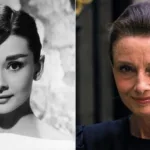 What Happened To Audrey Hepburn, Age At Death & Legacy
Conspiracy Theories: Unveiling the Mysteries
The official explanation for Bruce Lee’s death, while plausible, hasn’t entirely quelled public speculation. The tragic circumstances surrounding his passing, coupled with his meteoric rise and untimely demise at the peak of his fame, have fueled a plethora of conspiracy theories. These range from mundane explanations like accidental poisoning to more outlandish claims involving secret societies, organized crime, and even extraterrestrial intervention.
One popular theory suggests that Lee’s death was orchestrated by individuals jealous of his success or threatened by his influence. Another posits that he was targeted by a clandestine organization seeking to silence him due to his outspoken views on martial arts and philosophy. Some theories even implicate the Mafia, alleging that Lee had crossed paths with organized crime figures during his acting career. While these theories are captivating, they often lack concrete evidence and rely heavily on conjecture and speculation.
Despite numerous investigations and analyses, the truth behind Bruce Lee’s death remains elusive. The lingering questions and unanswered mysteries continue to intrigue fans and scholars alike, keeping bruce lee shot down at a young age firmly in the public consciousness.
Heat Stroke, Water Consumption, and Recent Findings
Recent studies have shed new light on the potential factors contributing to Bruce Lee’s death, offering a more nuanced understanding of the tragic event. Researchers now point to a combination of factors, including heat stroke and excessive water consumption, as possible contributors to the fatal cerebral edema.
It is believed that Lee may have been particularly vulnerable to heatstroke due to his intense training regimen and the hot and humid climate of Hong Kong at the time. Furthermore, he reportedly consumed large amounts of water in an attempt to maintain hydration during his strenuous activities. However, this excessive water intake could have led to a dangerous condition known as water intoxication, where electrolyte imbalances disrupt brain function and ultimately contribute to swelling.
These findings suggest that Lee’s death was not solely the result of a medication reaction but rather a complex interplay of physiological factors exacerbated by external circumstances. This new perspective underscores the importance of understanding the potential risks associated with intense physical activity, heat exposure, and fluid consumption.
Legacy of a Legend
Bruce Lee’s impact transcended the realms of martial arts and cinema; he became a global icon whose philosophy and teachings continue to inspire millions worldwide. He revolutionized martial arts with his Jeet Kune Do style, emphasizing adaptability, efficiency, and self-expression. His films, such as “Enter the Dragon” and “Fist of Fury,” broke down cultural barriers and introduced Eastern philosophies to a Western audience. Lee’s legacy is one of perseverance, discipline, and the pursuit of excellence in all aspects of life.
Though his life was tragically cut short, Bruce Lee’s influence continues to reverberate through generations. His films remain timeless classics, his philosophy serves as a guide for countless individuals, and his image remains synonymous with strength, wisdom, and self-belief. Despite the mysteries surrounding his death, bruce lee shot down at 32 left an indelible mark on the world, reminding us that true greatness lies not in physical prowess but in the pursuit of personal growth and the courage to be oneself.
His story serves as a powerful testament to the enduring human spirit, showcasing the profound impact one life can have on shaping culture and inspiring countless others to strive for their full potential.