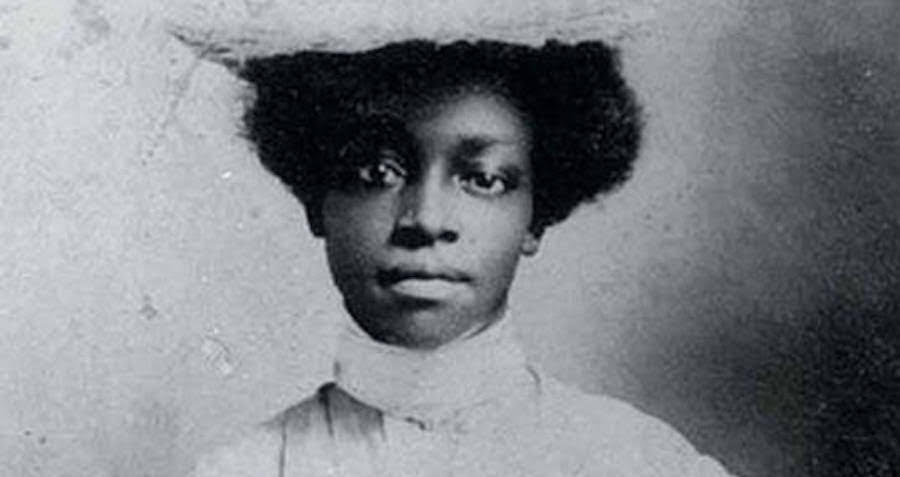
The Victorian era, a period of sweeping social and technological change, often conjures images of corseted ladies sipping tea in drawing-rooms. But this picture, while familiar, is incomplete. It overlooks the experiences of black victorian women, who navigated a world vastly different from their white counterparts. While white aristocratic women primarily fulfilled roles as wives and mothers, Black women existed within a more complex reality.
This wasn’t simply about social constraints; it was about navigating a society built on racial hierarchy. In middle-class African American communities, women were expected to blend white fashion ideals with Black traditions. They were, in essence, trying to reconcile two seemingly disparate worlds. This tension played out in subtle yet profound ways, shaping their lives and aspirations.
Simultaneously, in England, a few black victorian women achieved upper echelons of society. But even within these circles, the experience was one of navigating a double standard, facing constant scrutiny and judgment for simply existing as Black women in a white-dominated world. This article delves into the multifaceted lives of Black Victorian women, exploring their triumphs, challenges, and ultimately, the legacy they left behind.
Black Victorian Women: A Different Reality
Life for Black Victorian women was rarely a simple matter of following societal norms. While their white counterparts often enjoyed the luxury of adhering to a predetermined path, Black women faced a reality where those paths were constantly shifting, contingent on factors like class, location, and access to opportunities. A middle-class African American woman in Illinois might have been expected to manage a household, nurture her children, and support her husband, much like her white counterparts.
But this image only scratches the surface. Black women were also actively involved in education, art, philanthropy, and community service, defying the limitations often placed upon them. They founded schools, established businesses, wrote poetry and novels, and tirelessly advocated for social justice. This duality—balancing traditional roles with aspirations for personal and societal change—was a defining characteristic of their existence.
The world they inhabited was one where even seemingly harmless actions could be scrutinized and judged. A simple stroll in the park or a brightly colored dress could draw unwanted attention, highlighting the ever-present reality of racial prejudice. Despite these challenges, Black Victorian women found ways to carve out spaces for themselves, building communities of support and forging paths that defied expectations.
Navigating Societal Expectations
The Victorian era placed a high value on societal expectations, particularly for women. These expectations often revolved around domesticity, with women expected to be wives, mothers, and homemakers. While this was certainly the case for many white women, Black Victorian women faced a more complex and nuanced reality. They were expected to adhere to these same standards while simultaneously navigating a society steeped in racial prejudice. This created a unique set of challenges, forcing them to constantly balance their desire to conform with the need to assert their individuality and agency.
Consider a young Black woman aspiring to be an artist or writer in this era. While her white counterparts might have been encouraged to pursue such endeavors, she would likely face discouragement and even outright criticism from those who saw her ambitions as inappropriate or transgressive. Her talent and skill wouldn’t necessarily be the primary factor determining her success; societal norms and prejudices would heavily influence the path laid out before her. It was a delicate balancing act, requiring resilience, creativity, and an unwavering belief in oneself.
Despite these hurdles, Black Victorian women found ways to navigate these expectations. They created spaces for themselves within existing structures, carving out niches where they could express their talents and contribute to society on their own terms. Their stories are testaments to the power of human resilience and the enduring spirit that refuses to be confined by societal limitations.
The Emergence of the Black Victoria
The concept of the “Black Victoria” emerged in the late 19th century, primarily in Illinois, as a reflection of the aspirations and achievements of Black women during this era. This term wasn’t simply about adhering to the prevailing Victorian ideals of femininity; it represented a conscious effort by Black Victorian women to embrace those societal expectations while simultaneously carving out spaces for themselves within a world that often sought to limit their possibilities.
A Black Victoria was, in essence, a woman who embodied both strength and grace. She managed her household with efficiency and care, supported her husband, and nurtured her children, fulfilling the traditional roles expected of women. But she also actively participated in education, art, philanthropy, and community service, demonstrating an unwavering commitment to personal growth and social progress. These women sought not just acceptance within existing structures but also a chance to redefine those structures, pushing boundaries and challenging societal norms.
Their lives were a testament to the resilience and determination of Black women during this period. They navigated a world rife with prejudice and discrimination while simultaneously striving for excellence in all aspects of their lives. The term “Black Victoria” encapsulates this unique experience, highlighting their ability to not only survive but also thrive within a system designed to hold them back.
Double Standards and Public Scrutiny
Even seemingly harmless actions taken by Black Victorian women were often subject to public scrutiny and criticism. This double standard, where they were held to different expectations than their white counterparts, was a constant source of frustration and stress. A simple choice of clothing could be deemed inappropriate or provocative, drawing unwanted attention and judgment. A bold statement about social injustice might be met with accusations of being “uppity” or “unladylike,” effectively silencing their voices.
This constant vigilance took a toll on Black Victorian women. They were forced to walk a tightrope, always aware that even the slightest misstep could lead to public condemnation and ostracism. It was an exhausting existence, one that demanded both strength and resilience. Imagine attending a social gathering knowing that your every word and gesture would be analyzed and dissected based on the color of your skin. This was their reality, a world where they were constantly judged by standards different from those applied to white women.
Despite these challenges, Black Victorian women refused to be silenced. They found ways to support each other, creating networks of friendship and solidarity that offered solace and strength in a world often hostile to their aspirations. They understood the importance of speaking out against injustice, even if it meant facing backlash and criticism. Their commitment to social progress was unwavering, fueled by a deep belief in equality and justice for all.
Beyond the Veil: Legacy and Influence
The influence of Black Victorian women extends far beyond the confines of their era. Their stories serve as a powerful reminder of the strength and resilience of women who dared to challenge societal norms and carve out spaces for themselves in a world that often sought to limit their possibilities. Their commitment to education, philanthropy, and social justice laid the groundwork for future generations of activists and leaders who continue to fight for equality and opportunity for all.
While the concept of the “Black Victoria” declined as new waves of civil rights activism emerged in the early 20th century, its legacy continues to inspire. Their stories remind us that progress is often a long and arduous journey, paved with both triumphs and setbacks. Yet, even amidst adversity, Black Victorian women found ways to create meaning, build community, and contribute to a more just and equitable society. Their unwavering belief in their own worth and potential serves as a timeless testament to the enduring power of the human spirit.
The world we live in today is shaped by the contributions of countless individuals who have dared to dream big and fight for what they believe in. Black Victorian women stand as a shining example of this, reminding us that even within the confines of societal expectations, it’s possible to forge a path toward personal fulfillment and social change. Their story is one worth remembering, celebrating, and carrying forward into the future.