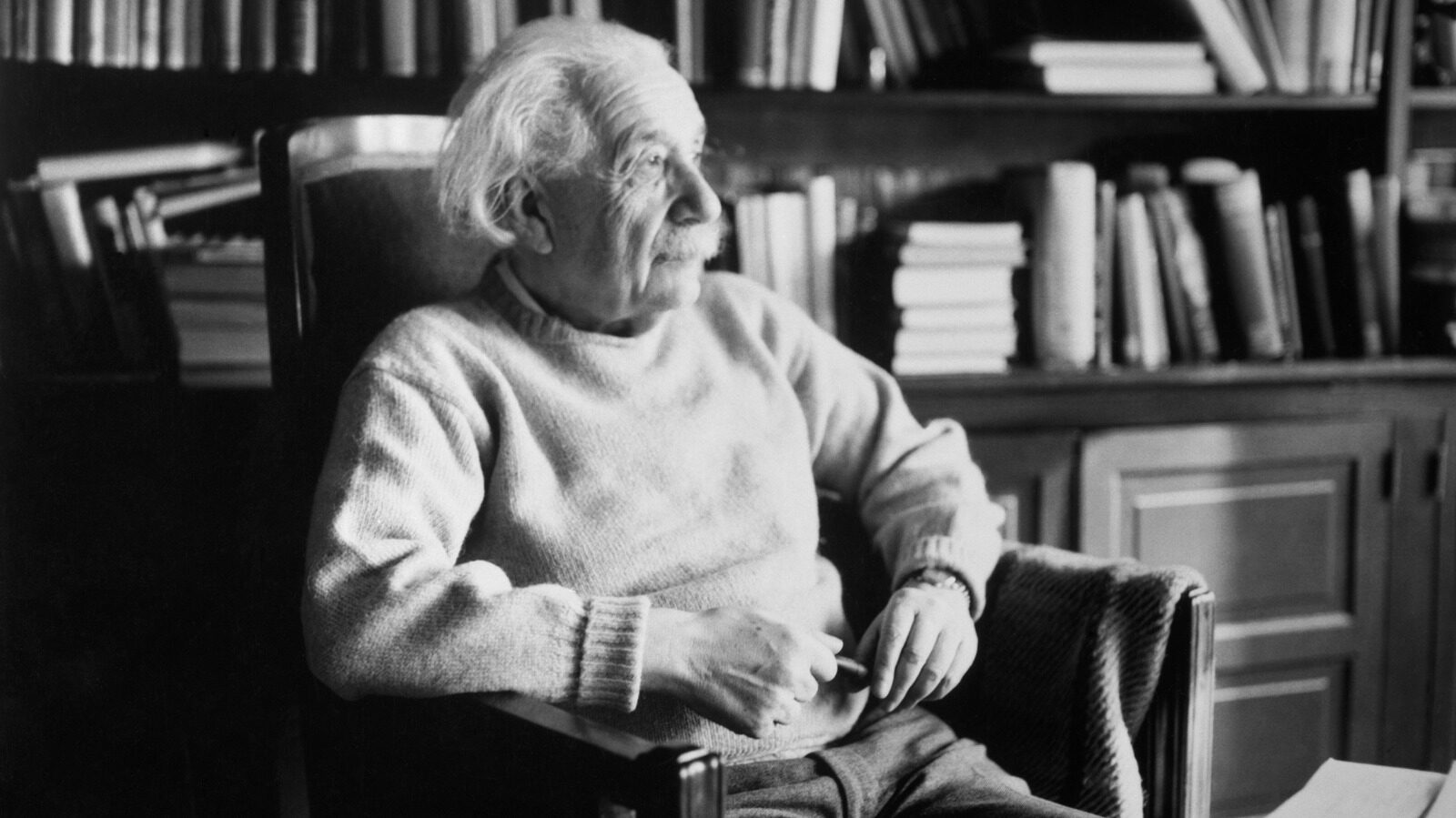
Albert Einstein, a name synonymous with genius and groundbreaking scientific discovery, is often associated with his revolutionary theories in physics. However, his contributions extend beyond the realm of theoretical science into the practical world of technology. One of his lesser-known inventions, the absorption refrigerator, demonstrates his innovative spirit and desire to improve everyday life through safer technologies.
While the refrigerator has become a staple in modern kitchens, the early 20th century models posed serious health risks due to toxic refrigerants. Einstein’s involvement in designing a safer refrigerator not only highlights his versatility as an inventor but also reflects the pressing issues of his time. Let’s delve deeper into this fascinating story of invention.
The unique design of the Einstein-Szilard refrigerator
In the wake of tragic accidents caused by faulty refrigerators, including a heartbreaking incident in Berlin where a family lost their lives due to toxic gas leaks, Einstein felt compelled to act. Partnering with his friend Leo Szilard, a fellow physicist with a knack for practical gadgets, they set out to create a refrigerator that would eliminate these dangers.
Unlike conventional refrigerators, which relied heavily on mechanical compressors prone to failure, the Einstein-Szilard model utilized a novel approach known as an absorption refrigeration system. Here are some key features of this innovative design:
- Absorption principle: Instead of using a mechanical compressor to convert gas back to liquid, the refrigerator operated on the basis of absorption and evaporation. This method relies on carefully controlled chemical interactions.
- Elimination of toxic refrigerants: The design focused on using safer refrigerants, such as butane, avoiding the use of ammonia or sulfur dioxide that were common in contemporary models.
- Electromagnetic pump: The innovative use of an electromagnetic pump replaced mechanical components, minimizing the risk of leaks and enhancing safety.
- Heat exchange efficiency: The refrigerator was engineered to efficiently transfer heat through a series of tubes and coils, effectively cooling its contents while maintaining a safe operating environment.
Overall, the Einstein-Szilard refrigerator signified a major step toward safer refrigeration technology, aligning perfectly with Einstein’s ethos of improving society through scientific advancement.
The challenges faced by Einstein and Szilard
Despite the brilliance of their invention, the journey of the Einstein-Szilard refrigerator was fraught with challenges that ultimately prevented it from reaching the mass market. Here are some of the significant hurdles they encountered:
- Economic constraints: The Great Depression severely impacted investments in new technologies. As financial resources dwindled, support for innovative projects like theirs diminished.
- Political turmoil: The rise of the Nazi Party in Germany forced both Einstein and Szilard, who were Jewish, to flee their homeland. This exodus disrupted their collaboration and the project’s progression.
- Competition from alternative solutions: While Einstein and Szilard worked on a safer refrigeration system, other inventors, notably chemist Thomas Midgley, developed chlorofluorocarbons (CFCs) as a substitute refrigerant. The introduction of Freon made traditional refrigerators safer, overshadowing their innovation.
While they secured a patent for their design in 1930, the external factors and changing market demands rendered their invention obsolete before it could be produced on a commercial scale.
The legacy of the Einstein-Szilard refrigerator
Although the Einstein-Szilard refrigerator never made it to market, its legacy is significant. Here are some lasting impacts:
- Inspiration for future innovations: Their design principles influenced future research into refrigeration technologies, particularly in developing safer alternatives.
- Awareness of refrigerant safety: The work of Einstein and Szilard spurred a broader conversation about the dangers of toxic refrigerants, prompting advancements in safety regulations.
- Environmental considerations: The later discovery of the harmful effects of CFCs on the ozone layer, which led to their ban, echoes the initial concerns Einstein and Szilard had about safety.
Their pioneering work serves as a reminder of the importance of innovation in addressing real-world problems, particularly in the intersection of science, technology, and public safety.
The evolution of refrigeration technology
Refrigeration technology has come a long way since the days of Einstein and Szilard. Modern refrigerators now incorporate advanced systems that improve energy efficiency and environmental safety. Key developments include:
- Energy-efficient designs: Today’s models utilize improved insulation and energy-efficient compressors, significantly reducing electricity usage.
- Natural refrigerants: The industry has seen a shift toward eco-friendly refrigerants such as hydrocarbons (propane and isobutane) and carbon dioxide, which have a lower environmental impact than traditional refrigerants.
- Smart technology: Many refrigerators now come equipped with smart features that allow users to monitor and control temperatures remotely, ensuring optimal food preservation.
The evolution of these technologies showcases how initial innovations, like those proposed by Einstein and Szilard, set the groundwork for future advancements in refrigeration.
Why the Einstein-Szilard refrigerator remains a curiosity
In the annals of invention, the story of the Einstein-Szilard refrigerator stands out not only for its innovative design but also for the circumstances that led to its failure. As the world moved on to safer refrigerants, the absorption refrigerator faded into obscurity, becoming a fascinating footnote in the history of technology. It serves as a reminder of how even the most brilliant minds can face insurmountable obstacles.
Today, historians and technology enthusiasts alike regard the refrigerator as an interesting example of how inventive thinking can intersect with the complexities of societal and economic challenges. The refrigerator may not have succeeded commercially, but the ideas it embodied continue to inspire discussions about safety, efficiency, and environmental responsibility in technology.