

Exploring the depths of animal behavior continues to astonish researchers and animal lovers alike. Among the most profound examples is the behavior of elephants, whose rituals surrounding death reveal a complex emotional and social framework. Understanding these practices not only enriches our appreciation for these magnificent creatures but also challenges our perceptions of animal intelligence and empathy.
Recent studies have shed light on the intriguing rituals elephants engage in when a member of their herd passes away. These behaviors raise essential questions about the nature of mourning in the animal kingdom and encourage a reevaluation of how we interpret animal emotions.
Understanding the mourning practices of elephants
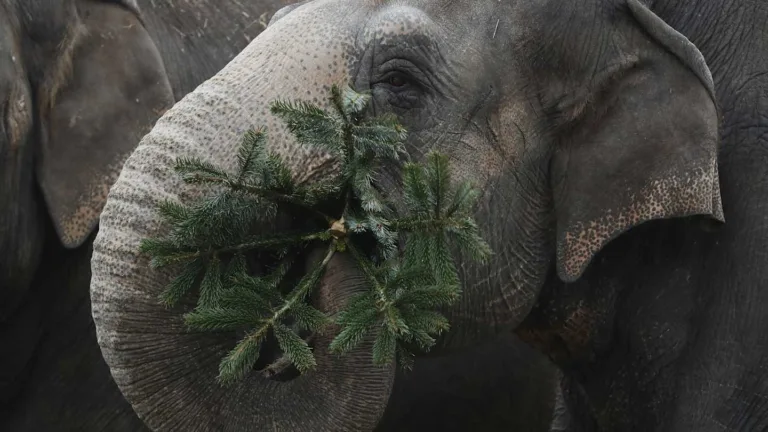
Elephants, known for their size and intelligence, exhibit behaviors that suggest a profound understanding of death. In a groundbreaking study published in the Journal of Threatened Taxa, researchers documented the mourning practices of Asian elephants, highlighting their capacity for grief and ceremonial burial.
The study detailed five instances in which Asian elephants were observed burying deceased calves. The patterns were strikingly similar, indicating a deliberate and shared response to loss. When a calf died, its mother and other relatives transported the body to a designated area, often a ditch, where they arranged it with its legs upright. This arrangement is significant and suggests that the act is not merely instinctual but rather a thoughtful approach to honoring their deceased.
Upon laying the calf to rest, the herd actively participated in covering the body with soil and foliage. Such cooperative behavior points to the emotional bonds within the herd and their collective acknowledgment of death. This ritualistic act of burial emphasizes the importance of community in the mourning process, showcasing the elephants’ deep social connections. The demonstration of working together to ensure that their fallen member is laid to rest with care opens a window into their complex emotional world.
What do these behaviors signify for elephant intelligence?
The burial rituals of elephants raise intriguing questions about their cognitive abilities. Elephants are renowned for their exceptional memory, a trait that has given rise to the saying “an elephant never forgets.” They can recognize individuals, recall paths to water sources, and remember social hierarchies within their herds. This cognitive capacity is essential to understanding their death rituals; however, we must tread carefully.
- Memory: Elephants can remember locations and relationships, aiding in their social cohesion.
- Emotional Intelligence: Their ability to exhibit signs of grief suggests a level of emotional awareness.
- Social Structures: Elephants thrive in structured herds, where communication and cooperation are vital.
- Adaptability: They can learn new behaviors and adapt to changing environments.
- Problem Solving: Their use of tools and strategic thinking highlights their intelligence.
Despite these compelling indicators of intelligence, there is a risk of anthropomorphizing their behaviors. Critics of the burial observations emphasize the need for direct evidence to support claims of emotional understanding similar to that of humans. Caution is necessary in attributing human-like motivations to these majestic animals.
Comparing elephant mourning rituals across species
The exploration of mourning in elephants prompts comparisons with other species known for their social structures. For instance, orcas and chimpanzees also exhibit signs of grief and mourning. These behaviors can include:
- Orcas: Displaying behaviors such as vocalizations and lingering near deceased family members.
- Chimpanzees: Engaging in comforting behaviors towards grieving companions.
- Dogs: Showing signs of depression or altered behavior after the loss of a companion.
Such comparisons highlight a broader theme in the animal kingdom: the capacity for emotional expression and mourning is not confined to humans. This realization invites deeper inquiry into the nature of intelligence and emotional depth across species.
The ethical implications of studying elephant behavior
As we delve deeper into the emotional lives of elephants, ethical considerations come to the forefront. Understanding their complex emotional states raises questions regarding conservation efforts and habitat protection. Elephants that experience trauma or loss due to poaching or habitat destruction may be at risk of psychological distress, impacting their social structures.
Conservationists advocate for the protection of elephant habitats, emphasizing the need to allow these creatures to live in environments where they can express their natural behaviors without human interference. Protecting their habitats not only supports the species but also acknowledges their emotional and social needs.
Future research directions on elephant behavior
Given the significance of elephants’ mourning rituals and their implications for understanding animal intelligence, future research should focus on:
- Longitudinal studies: Observing elephant herds over time to gain insights into their social dynamics and mourning processes.
- Comparative analysis: Studying different species to identify commonalities in mourning behaviors and emotional intelligence.
- Conservation impact: Investigating how environmental changes affect the emotional well-being of elephants and their social structures.
By expanding our understanding of elephant behavior, we can foster a greater appreciation for their intelligence and promote more effective conservation strategies that honor their complex emotional lives.
Conclusion
The fascinating death rituals of elephants offer a unique glimpse into the emotional depths of these remarkable creatures. Through the lens of their mourning practices, we are reminded of the intricate bonds that exist within the animal kingdom. The ongoing study of these behaviors not only enriches our understanding of elephants but also challenges our perceptions of intelligence, empathy, and the nature of life itself.