In the vast and intricate web of life, some animal species stand out not just for their unique adaptations but also for their lack of natural predators. These creatures have evolved characteristics that place them at the top of their respective ecosystems, allowing them to thrive without the constant threat of being hunted. Exploring these extraordinary animals gives us insight into the wonders of nature and highlights the delicate balance of our ecosystems.
While these species may be apex predators in their environments, it is crucial to remember that they still face threats from humans and environmental changes. Let’s delve into some of the most fascinating animals that have managed to rise above the competition and exist largely unchallenged in the wild.
Rhinos: The Massive Tanks of the Animal Kingdom
Rhinoceroses are not just iconic due to their impressive size; they are formidable creatures that few dare to challenge. There are five species of rhinoceroses, with the white rhino being the largest, reaching heights of up to 6 feet and weights approaching 8,000 pounds. Their skin, which can be up to 2 inches thick, serves as armor against potential threats.
Despite their bulk, rhinos can run surprisingly fast, sprinting at speeds of up to 34 miles per hour. This speed, combined with their powerful horns, makes them a difficult target for would-be predators. Rhinos often travel in groups, further enhancing their safety from predators.
However, it’s worth noting that young rhinos are vulnerable to predation, especially from large carnivores like lions and hyenas. Additionally, human activity poses a significant threat, as poaching for their horns remains a critical issue.
Grizzly Bears: The Fearsome Omnivores
Grizzly bears, scientifically known as Ursus arctos horribilis, showcase the power and agility of large mammals. Standing up to 8 feet tall and weighing as much as 900 pounds, these bears are apex predators in their habitats. Grizzlies are not only strong but also incredibly fast, capable of reaching speeds up to 35 miles per hour, which is faster than the average human sprinter.
As omnivores, grizzly bears have a diverse diet that includes berries, fish, and small mammals. Their size and strength deter most other predators, making them relatively safe. However, human encroachment and hunting have significantly reduced their populations, leading to legal protections in many areas.
Orcas: Rulers of the Ocean
Often termed “killer whales,” orcas are the ultimate predators of the sea. These intelligent cetaceans can grow up to 32 feet long and weigh as much as 6 tons. Orcas are social animals that live in pods, using sophisticated communication and cooperative hunting techniques.
Despite their name, orcas are not whales but rather the largest species of dolphin. They primarily hunt fish, seals, and even other whales, showcasing their dominance in marine ecosystems. While they face threats from human activities such as hunting and habitat destruction, they remain largely unchallenged in the ocean.
 Animals Talk Christmas Eve: Myths & Legends of Speaking Beasts
Polar Bears: The Apex Predator of the Arctic
Polar bears (Ursus maritimus) reign supreme in the Arctic, where they are considered the top predators, even above humans. These massive animals can weigh up to 1,700 pounds and stand nearly 10 feet tall on their hind legs. Their thick layer of blubber and double coat of fur insulate them against extreme cold, while their powerful limbs allow them to traverse icy terrains with ease.
Polar bears primarily hunt seals, using sea ice as platforms to ambush their prey. However, climate change poses a significant threat to their hunting grounds, forcing them to travel farther for food and increasing interactions with humans.
Komodo Dragons: The Kings of Their Islands
The Komodo dragon, native to Indonesia, is the largest living lizard species, capable of growing over 10 feet long and weighing up to 366 pounds. These formidable predators utilize stealth and patience, often ambushing their prey with a deadly bite that injects venom and bacteria, incapacitating their victims.
While they occasionally face threats from larger Komodo dragons, they have no natural predators on their islands. Their unique hunting strategy and adaptation to their environment make them a fascinating example of an apex predator.
Bald Eagles: Majestic Rulers of the Sky
The bald eagle, renowned as the national bird of the United States, symbolizes strength and freedom. With a wingspan reaching up to 8 feet and the ability to fly at speeds up to 100 miles per hour, bald eagles are adept hunters. They primarily feed on fish but will also scavenge or hunt small mammals and birds.
Adult bald eagles face minimal threats from other animals, although their young are vulnerable to predation. Conservation efforts have helped restore their populations after previous declines due to habitat destruction and pesticide use.
The Saltwater Crocodile: The Apex Reptile
The saltwater crocodile is the largest living reptile, capable of growing up to 23 feet in length and weighing over 2,200 pounds. With a bite force of up to 3,700 psi, it is one of the most powerful predators in the world. These reptiles are highly territorial and aggressive, making them a significant threat to any animals venturing too close to their habitats.
Their hunting strategy involves lying in wait, launching sudden attacks on unsuspecting prey, which can include fish, birds, and even large mammals. Saltwater crocodiles have no natural predators, making them a quintessential example of a species at the top of its food chain.
Great Horned Owls: Masters of the Night
The great horned owl is a highly adaptable and versatile predator that thrives in various environments. With a wingspan of up to 5 feet and a weight of around 5 pounds, they are known for their powerful talons and exceptional hunting skills. Great horned owls primarily hunt at night, preying on small mammals, birds, and even other raptors.
While they are formidable predators, their young are vulnerable to larger birds and mammals. Their adaptability and hunting prowess allow adults to maintain their status as apex nocturnal predators.
Electric Eels: Shocking Survivors
Electric eels, despite their name, are not true eels but rather a type of knifefish. These fascinating creatures can grow up to 8 feet long and possess specialized organs that enable them to emit electric shocks. They use low-voltage pulses for navigation and communication, while high-voltage bursts can incapacitate or kill prey and deter predators.
The electric eel’s unique ability to deliver shocks makes it virtually unapproachable by natural predators, ensuring its survival in the complex aquatic ecosystem of the Amazon and Orinoco river basins.
The Siberian Tiger: The Largest of the Big Cats
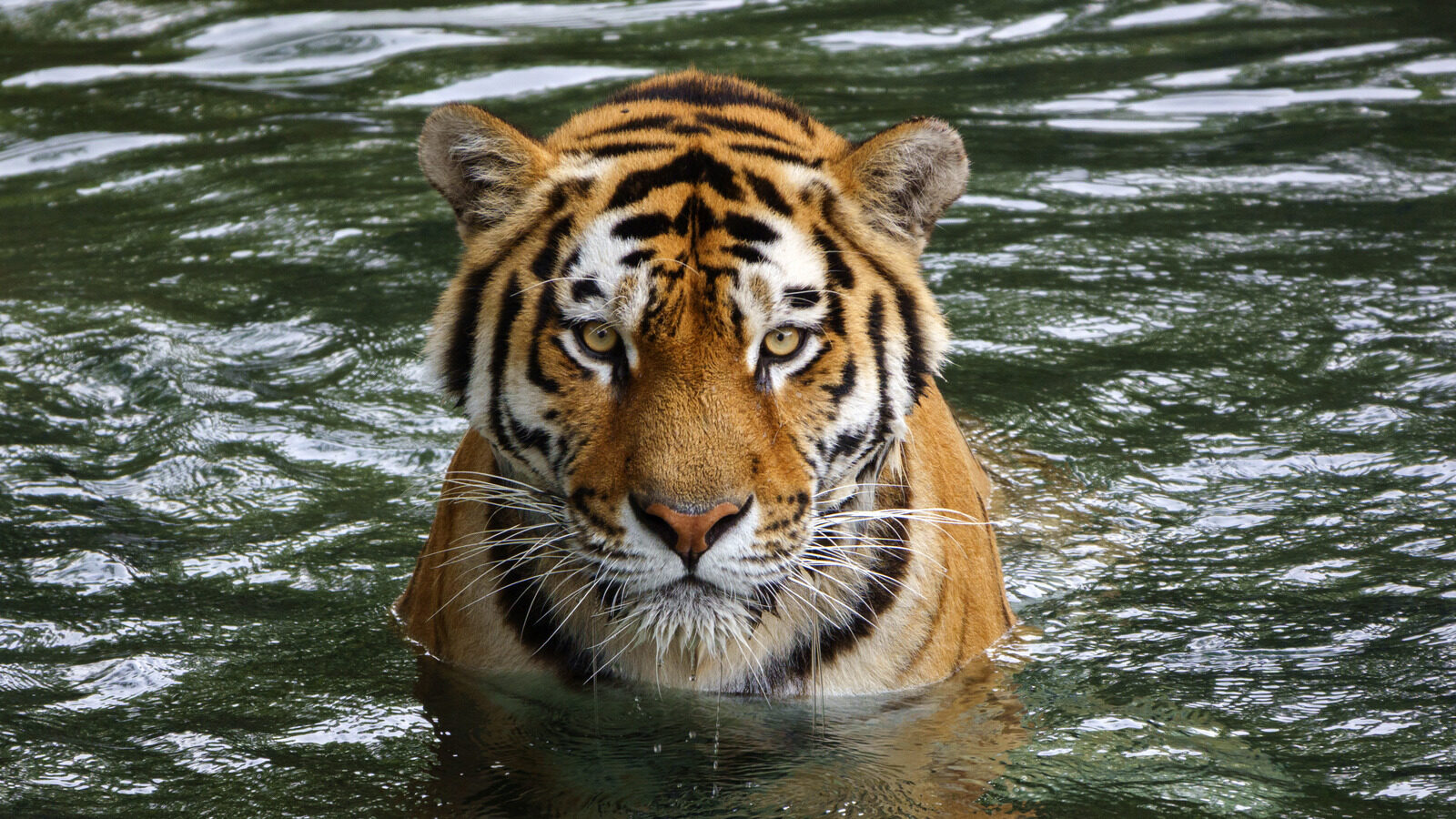
As the largest cat species, the Siberian tiger is a symbol of power and beauty in the animal kingdom. Tigers can exceed lengths of 12 feet and weigh up to 933 pounds. They possess exceptional strength, agility, and camouflage, allowing them to be efficient hunters.
Despite their size and capabilities, Siberian tigers face numerous challenges from habitat loss and poaching. While they are apex predators, their populations are critically endangered, making conservation efforts essential for their survival.
Lions: The Social Hunters
Unlike most apex predators, lions are social animals that live in prides, utilizing teamwork and strategic tactics to hunt. Weighing up to 570 pounds and measuring over 8 feet in length, lions are formidable hunters in their African grassland habitats.
Their pack behavior allows them to take down large prey, including wildebeest and zebras. However, lions face significant threats from habitat loss and human-wildlife conflict. Despite being apex predators, their existence is intricately linked to the health of their ecosystems and the actions of humans.