The world is full of fascinating and sometimes peculiar creatures, and the animal kingdom boasts some truly unique specimens. Among them, we find the hammer-headed bat, scientifically known as Hypsignathus monstrosus, a creature that has earned quite a reputation. This intriguing bat species holds the title of the largest bat in Africa, with its wingspan stretching up to an impressive 38 inches. While this might sound intimidating, their diet consists solely of fruits native to western and central Africa, such as figs, bananas, guavas, and mangos.
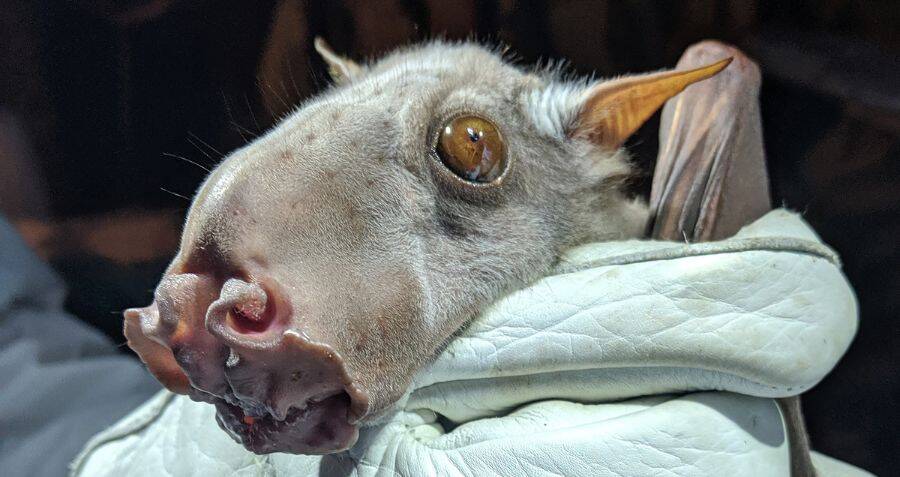
What sets these bats apart from other species is their undeniably striking appearance. Male hammer-headed bats are particularly noticeable for their oversized lips and snouts, earning them the often-used moniker: the ugliest bat in the world. Some might even say they resemble a human face, leading to nicknames like the horseface bat, horse face bat, or horse head bat. It’s this distinctive feature that plays a crucial role in their mating rituals.
Despite their somewhat fearsome looks, hammer-headed bats are entirely harmless to humans. They prefer to coexist peacefully within moist, tropical forests surrounding Equatorial Africa’s lowlands, swamps, and rivers. However, they can sometimes be considered pests by farmers due to their fondness for fruits. Their populations also face threats from hunting for bushmeat in countries like the Democratic Republic of Congo and Nigeria, as well as being occasionally sold in wet markets.
The Hammer-headed Bat: A Unique Appearance
The hammer-headed bat’s unique appearance is truly a sight to behold. Their most distinctive feature, of course, is the prominent “hammer” shape of their heads. This comes from their oversized lips and snouts, which are particularly pronounced in males. Imagine a face with exaggerated features – that’s essentially what a male hammer-headed bat looks like!
While we might find their appearance unusual, it plays a vital role in their lives. These dramatic facial structures are used during courtship displays. Males will gather in groups called leks, each claiming a territory and emitting loud honking noises to attract females. The larger the “hammer” and the louder the call, the more attractive the male appears. It’s a fascinating example of how evolution has shaped these creatures for survival.
It’s important to remember that despite their sometimes fearsome appearance – especially those prominent snouts – hammer-headed bats are gentle creatures. They pose no threat to humans and are primarily focused on their fruit-based diet.
Diet and Habitat of the Giant African Bat
The hammer-headed bat’s diet is as unique as its appearance. These fascinating creatures are strict frugivores, meaning they subsist solely on fruits. Imagine a buffet of delicious tropical fruits – figs, bananas, guavas, and mangos – that’s what these bats feast on! They have an excellent sense of smell, allowing them to locate ripe fruit with ease.
These giant African bats call moist, tropical forests near Equatorial Africa’s lowlands, swamps, and rivers home. They thrive in these humid environments where a constant supply of their favorite fruits is readily available. Think lush vegetation, warm temperatures, and plenty of shade – it’s the perfect habitat for these gentle giants.
While they are essential for seed dispersal within these ecosystems, giant bats in Africa can sometimes be considered pests by farmers due to their fruit-eating habits. This highlights the delicate balance between wildlife conservation and human needs.
Mating Rituals and Social Behavior
The hammer-headed bat’s mating rituals are a fascinating spectacle of nature. Male bats will gather in groups called leks, each claiming a territory and emitting loud honking noises to attract females. These calls can be heard from quite a distance, echoing through the forest canopy.
What makes these displays even more impressive is the use of their exaggerated snouts. Males will inflate their lips and dramatically display their “hammers,” hoping to impress potential mates. Females carefully observe these performances, choosing the male with the loudest call and most impressive display as their partner. It’s a visual and auditory competition that showcases the strength and vitality of each male contender.
Outside of mating season, hammer-headed bats are relatively solitary creatures. They roost individually or in small groups during the day, emerging at night to forage for fruit. Their social interactions are primarily focused on finding mates and raising their young.
Threats and Conservation Status
Despite their fascinating adaptations and unique role in the ecosystem, hammer-headed bats face several threats to their survival. In some regions of Africa, they are hunted for bushmeat, a practice that can significantly impact population numbers. Additionally, habitat loss due to deforestation and climate change poses a serious risk to these sensitive creatures. As their forest homes dwindle, so too does their access to food and suitable roosting sites.
Another concern is the potential role of hammer-headed bats in the spread of diseases like Ebola. While further research is needed to fully understand this connection, it highlights the importance of responsible wildlife management practices. Conservation efforts are crucial to ensure that these magnificent creatures continue to thrive for generations to come.
Thankfully, the ugliest bat in the world is currently not considered a threatened species. However, ongoing monitoring and conservation initiatives are essential to protect their habitats and mitigate the threats they face. By raising awareness about these fascinating animals and supporting sustainable practices, we can help ensure that hammer-headed bats continue to grace our planet with their unique beauty and ecological importance.
A Symbiotic Relationship?
The relationship between hammer-headed bats and their environment is a complex one, involving both benefits and potential drawbacks. As frugivores, they play a vital role in seed dispersal, helping to maintain the diversity and health of tropical forests. By consuming fruits and scattering seeds through their droppings, they contribute to the regeneration of plant life and the overall ecological balance.
However, there’s another side to this story – the potential link between hammer-headed bats and disease transmission. Their role as potential reservoirs of the Ebola virus is a serious concern that requires further investigation. While it’s important to remember that not all bats carry the virus, their close interaction with humans through activities like bushmeat hunting can increase the risk of spillover events.
Understanding this delicate balance between symbiosis and potential harm is crucial for developing effective conservation strategies. Promoting sustainable practices, raising awareness about responsible wildlife interactions, and investing in research to better understand the ecology of these fascinating creatures are all essential steps towards ensuring their long-term survival.