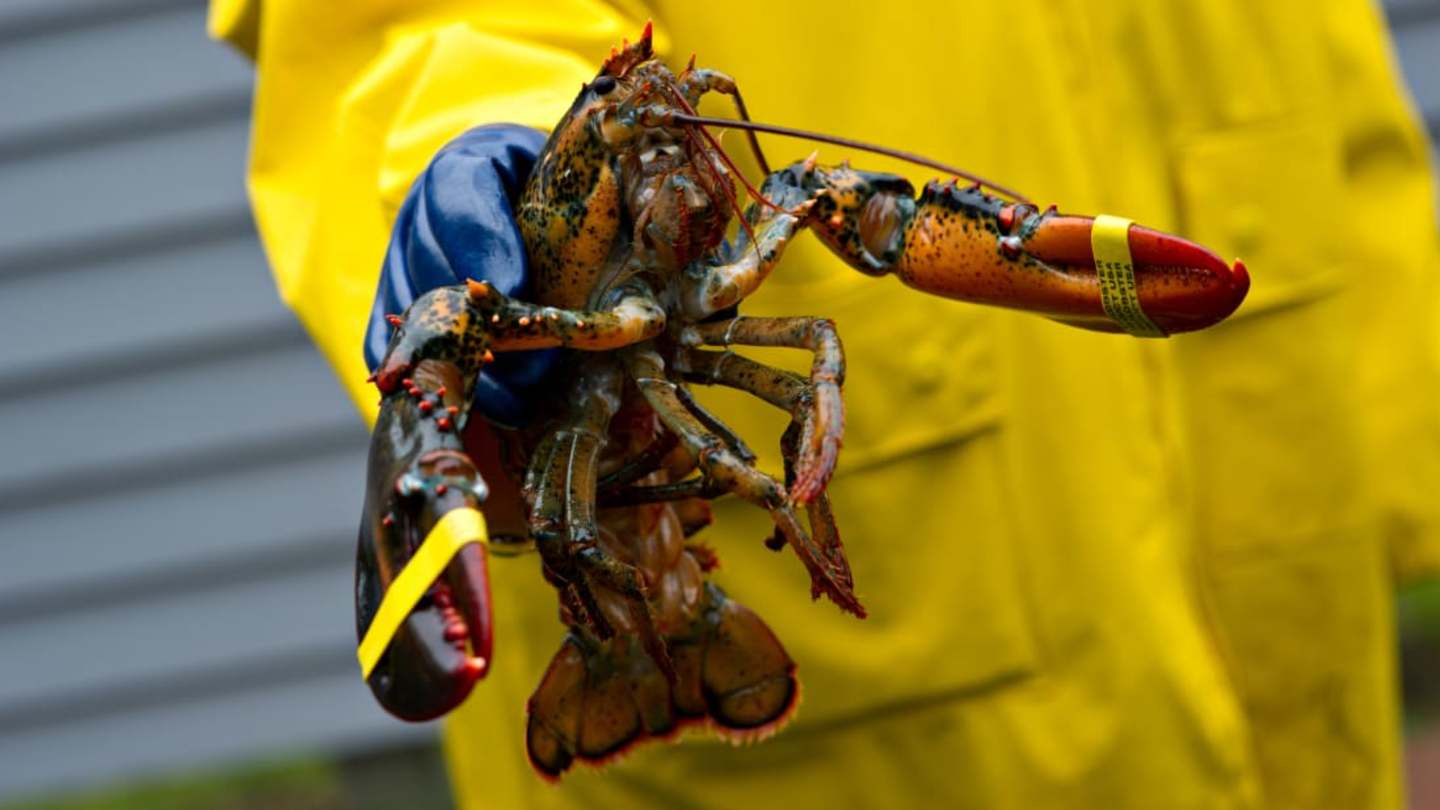
Lobsters are truly captivating creatures that have fascinated humans for centuries. Imagine diving into the icy depths of The Atlantic Ocean and encountering one of these magnificent beasts, Its Massive Claws Snapping, its antennae twitching as it explores Its Surroundings. Their presence evokes a sense of awe and primal wonder. These underwater giants aren’t just fascinating to look at; their biology is equally intriguing. They are crustaceans, related to crabs and shrimp, but on a scale that dwarfs Their Smaller Relatives.
Lobsters have a lifespan that stretches for decades, with some individuals living for over 100 years! This longevity allows them to witness the ebb and flow of ocean life, building intricate social structures and navigating a world teeming with both danger and opportunity. While they are often depicted as Solitary Creatures, lobsters actually engage in complex social behaviors, Communicating Through Touch, smell, and even sound. Do lobsters bleed? Just like many other animals, they do have circulatory systems that Carry Fluids Throughout Their Bodies. However, the fluid isn’T Red Like Human Blood; it’s a clear or greenish-blue color due to the presence of hemocyanin, a copper-containing protein that carries oxygen.
This fascinating creature’s history is intertwined with human culture. From ancient myths and legends to Modern Culinary Traditions, lobsters have held a special place in our imagination and on our plates. Their meat, prized for its delicate flavor, has been enjoyed for generations, fueling both cultural celebrations and bustling Commercial Fisheries. But as with any species that Shares Our Planet, the future of lobsters depends on our ability to understand and respect their place in the delicate web of life.
Lobster Anatomy And Biology
A lobster’s anatomy is a marvel of evolutionary engineering, perfectly suited for its life in the cold, Deep Ocean. Their hard exoskeleton acts as both armor and a framework for their Powerful Muscles. This tough shell isn’t just for show; it allows them to withstand the crushing pressure of the deep sea while also protecting them from predators.
Beneath the exterior lies a complex network of organs that enable these Creatures To Thrive. They have ten legs, including those iconic claws used for defense and capturing prey. Those claws aren’t just for smashing; they can also be surprisingly delicate, used for picking up small morsels of food or even manipulating objects in their environment. Lobsters are omnivores, meaning they have a varied diet that includes clams, mussels, crabs, fish, seaweed, and even decaying matter. They use their keen sense of smell and touch to locate food sources and their powerful mandibles to break down tough shells and vegetation.
One fascinating aspect of lobster biology is their ability to regenerate lost limbs. Do lobsters bleed? If a claw or leg gets damaged, the lobster can actually grow a new one! This remarkable feat involves specialized cells that multiply and differentiate, eventually forming a complete replacement limb.
Diet And Habitat
Lobsters are opportunistic eaters, thriving on a diverse diet that reflects the bounty of their cold-Water Habitat. Imagine them prowling the seafloor, their powerful claws snapping shut on clams and mussels, their antennae twitching as they search for tasty morsels hidden amongst rocks and seaweed. They’Re Not Picky Eaters; crabs, fish, and even decaying matter find its Way Onto Their Menu.
These ocean giants prefer to call the deep waters of the Atlantic Coast Home, particularly in areas with rocky bottoms and kelp forests. These environments provide them with ample shelter from predators and a rich source of food. Picture a lobster lurking amongst the Swaying Kelp Fronds, patiently waiting for a crab or small fish to wander within reach. The cool, dark depths also keep their bodies at a comfortable temperature, allowing them to conserve energy and focus on hunting and growing.
While they might seem solitary creatures, lobsters are actually quite social animals. They gather in groups called “Lobster Aggregations,” Where They Communicate Through Touch, smell, and even sound.
 Animal Nicknames: Creative & Unique Names for Your Pets
Communication And Social Behavior
Though they may appear solitary creatures lurking in the depths, lobsters actually have a surprisingly complex Social Life. They communicate with each other through a variety of subtle means, Using Touch, smell, and even sound to convey messages. Imagine two lobsters bumping antennae as They Pass, exchanging information about food sources or Potential Threats.
One fascinating aspect of their communication is the use of pheromones. These chemical signals allow Lobsters to Detect Mates, Mark Territory, and even warn each other of danger. Think of it like a secret Language Only They Understand, allowing them to navigate their social world with precision. Lobsters also engage in elaborate courtship rituals, involving intricate displays of dominance and submission.
These behaviors ultimately help ensure the survival of the species by promoting cooperation, Resource Sharing, and successful reproduction within their tightly-Knit Communities.
The Lobster Fishing Industry
Lobsters have long been a prized delicacy around the world, fueling a thriving commercial fishing industry. Imagine bustling docks teeming with lobster traps being hauled in, Their Contents Spilling Out – a mix of colorful claws and glistening tails ready to be enjoyed. This multi-billion dollar industry provides livelihoods for countless people across coastal communities worldwide.
However, responsible harvesting practices are crucial to ensure the long-term sustainability of lobster populations. Overfishing can have devastating consequences, disrupting delicate ecosystems and threatening the very existence of these magnificent creatures. Strict regulations, such as size limits and seasonal closures, help mitigate this risk by allowing lobsters to reproduce and replenish their numbers.
Conservation efforts also focus on reducing bycatch – the accidental capture of non-Target Species – through the use of modified fishing gear and responsible fishing practices. By working together, fishermen, scientists, and policymakers can ensure that future generations will continue to enjoy the bounty of the sea.
Conservation Concerns
Despite their impressive resilience, lobsters face several threats to their survival in the wild. Habitat loss due to coastal development and pollution poses a significant challenge, reducing the critical areas they need for shelter, feeding, and breeding. Imagine vast stretches of ocean floor transformed by human activity, leaving little room for these creatures To Thrive.
Climate change further complicates matters, with rising sea temperatures and ocean Acidification Disrupting Their Delicate Ecosystems. These changes can affect the availability of food sources, Alter Migration Patterns, and even compromise their ability to Reproduce Successfully. Overfishing, While Partially Regulated, remains a concern if not carefully managed. It’s crucial to remember that lobsters are long-Lived Creatures, making them particularly vulnerable to population Declines From Excessive Harvesting.
Thankfully, growing awareness about the importance of conservation is leading to positive change. Organizations and governments worldwide are working together to implement sustainable fishing practices, Protect Critical Habitats, and mitigate the impacts of climate change. By supporting these efforts, we can help ensure that future generations will continue to marvel at the incredible resilience and beauty of These Ocean Giants.