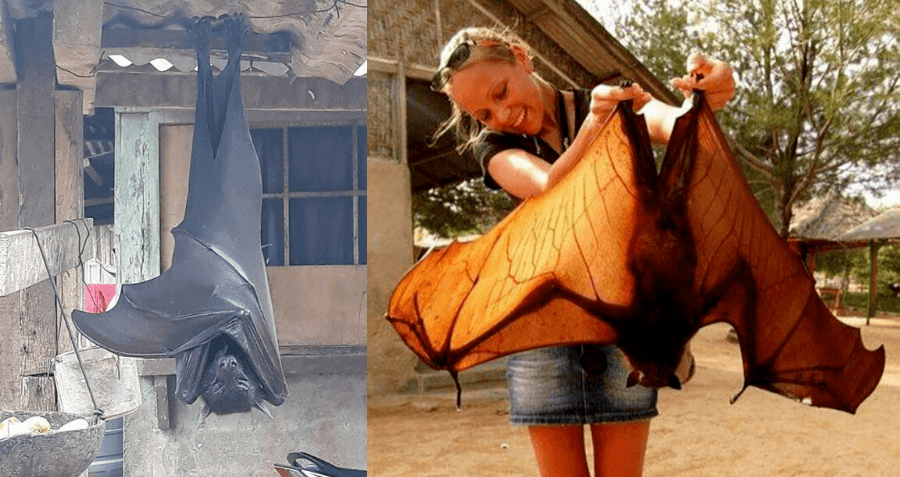
Let’s talk about one of the most fascinating creatures out there: the giant golden-crowned flying fox. Imagine a bat with a wingspan stretching up to five and a half feet! That’s right, this magnificent animal is the largest bat in the world, and it calls the Philippines its sole home.
These gentle giants are fruit eaters, feasting on figs and other delicious treats each night. Unlike many bats that rely on echolocation, they navigate using their keen eyesight and sense of smell. They’re incredibly intelligent creatures, and their impact on the environment is truly remarkable.
They play a crucial role in forest regeneration by dispersing fig seeds through their droppings. Sadly, these amazing animals are facing serious threats. Habitat destruction and poaching for profit have pushed them to the brink, with populations plummeting by 50% since 1986. We’ll dive deeper into these challenges and explore what’s being done to protect this endangered species.
Size and Diet of the Golden-Crowned Flying Fox
When you think of bats, you might picture tiny creatures flitting around in the dark. But the golden-crowned flying fox is anything but tiny! These magnificent animals are truly giants of the bat world, with a wingspan that can reach up to five and a half feet. To put that in perspective, imagine holding out your arms as wide as you possibly can – that’s about the same size as this incredible animal’s wings!
Despite their enormous size, they are gentle creatures who pose no threat to humans. They’re strictly fruit eaters, spending their nights feasting on figs and other delicious tropical fruits. Their diet plays a vital role in the local ecosystem, helping to disperse seeds and maintain the health of forests. Imagine them soaring through the night, their wings catching the moonlight as they munch on sweet mangoes and juicy papayas!
Their enormous size and unique dietary habits make them truly remarkable creatures. It’s fascinating to think that these gentle giants are essential for maintaining the balance of Philippine ecosystems.
Navigation and Role in Forest Ecosystems
You might think that bats rely solely on echolocation to navigate the night sky, but not the golden-crowned flying fox. These clever creatures have developed a unique way of finding their way around. They use a combination of keen eyesight and an exceptional sense of smell to locate food sources and landmarks.
Picture them swooping through the forest, their large eyes scanning the landscape for ripe fruit. And then, using their sensitive noses, they can detect the sweet scent of figs wafting from miles away! This incredible ability allows them to navigate even in dense forests, making them true masters of the night.
Their role in forest ecosystems is vital, too. As they feast on fruits and disperse seeds through their droppings, they help maintain the health and diversity of Philippine forests. It’s like they’re playing a crucial part in ensuring that these incredible environments continue to thrive.
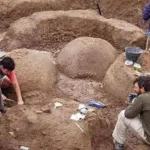 Glyptodon Argentina: Family of Giant Armadillos Unearthed
Threats to Their Survival
It’s heartbreaking to realize that these magnificent creatures are facing serious threats to their survival. Habitat destruction due to deforestation and agriculture is a major concern, leaving fewer and fewer trees for them to call home. Imagine their forests being cleared, leaving them with nowhere to roost or find food.
Sadly, poaching also poses a significant danger. People hunt crowded flying foxes for bushmeat, despite laws protecting them. Poverty and the demand for exotic animal products fuel this illegal trade, pushing these gentle giants closer to extinction. It’s a cruel reminder that human activities can have devastating consequences for even the most magnificent creatures on Earth.
Their future hangs in the balance, and it’s up to us to help protect them. We need to raise awareness about their plight, support conservation efforts, and promote sustainable practices to ensure they continue to grace Philippine skies for generations to come.
Conservation Efforts for Endangered Species
Fortunately, there are people working tirelessly to protect these amazing animals. Captive breeding programs are underway, aiming to increase populations and provide a safety net against further decline. Imagine these gentle giants being raised in carefully managed environments, learning the skills they need to survive in the wild.
Alongside captive breeding, conservationists are working on educating local communities about the importance of protecting crowded flying foxes. They’re promoting sustainable practices that reduce habitat destruction and encouraging people to adopt alternative livelihoods instead of poaching. It’s a long road ahead, but by working together, we can create a future where these magnificent creatures thrive once again.
Their survival depends on our commitment to protecting their habitats, enforcing anti-poaching laws, and supporting conservation efforts. Every step we take towards creating a more sustainable world helps ensure that the golden-crowned flying fox continues to grace Philippine skies for generations to come.
A Future for the Giant Flying Fox?
Looking ahead, the future of the golden-crowned flying fox remains uncertain. While there are glimmers of hope with conservation efforts underway, the challenges they face are immense. It’s a race against time to protect these magnificent creatures before it’s too late.
The success of their conservation hinges on several factors. We need strong political will to enforce anti-poaching laws and protect their habitats. Raising awareness among local communities about the importance of these animals is crucial. And continued support for research and breeding programs can provide a lifeline for dwindling populations.
Ultimately, the fate of the golden-crowned flying fox rests in our hands. By working together, we can create a future where these gentle giants continue to soar through Philippine skies, reminding us of the beauty and fragility of nature. Let’s not let their story end in tragedy – let’s ensure that they have a chance to thrive for generations to come.