While we often move through our daily lives without fear of being prey, it’s essential to recognize that certain animals still view humans as potential food. Understanding these creatures can help us appreciate nature’s hierarchy and the need for caution in their presence. Let’s explore nine animals that, under specific circumstances, might consider us part of their diet.
Saltwater crocodile
The saltwater crocodile, the largest reptile on Earth, is a formidable predator found in Asia and Oceania. These powerful creatures have evolved to be expert ambush hunters. Their diet typically includes birds, fish, and various mammals, but humans can also become targets if they venture too close to their territory.
On average, crocodiles are responsible for about 1,000 human fatalities each year, with the saltwater crocodile being the most notorious. Males can reach lengths of up to 23 feet and weigh over 1,000 pounds. Their hunting technique involves remaining motionless in the water, striking swiftly when prey approaches the shore. With the strongest bite force in the animal kingdom, at a staggering 3,700 pounds per square inch, once a crocodile has locked onto its prey, escape is nearly impossible.
Interestingly, if you spot a crocodile on land, you may have a chance to escape. They can run at speeds of about 9 miles per hour, while the average human can sprint at approximately 14 miles per hour. However, it’s crucial to stay out of the water, as this is where they are most dangerous.
Lions
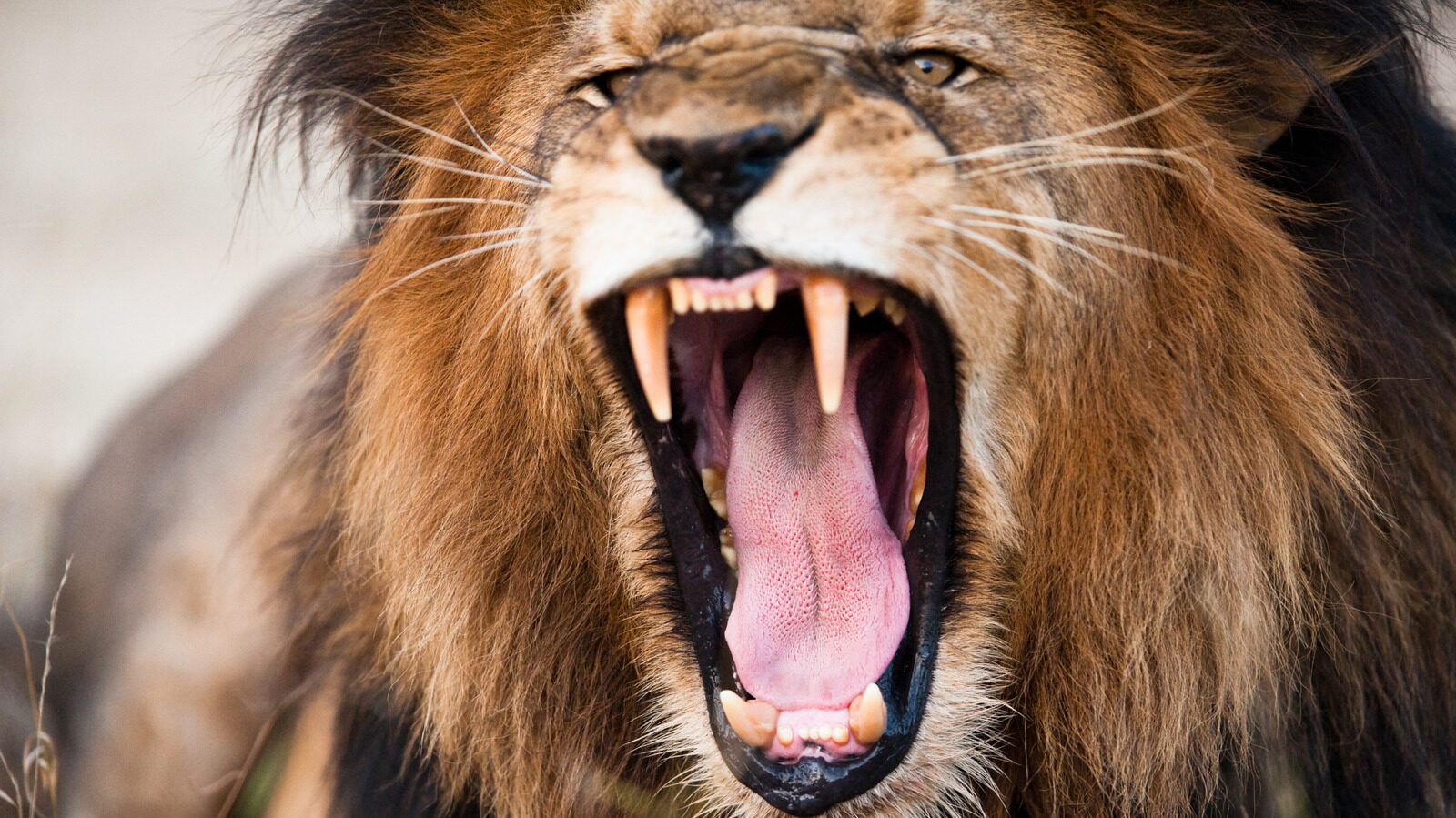
Lions, often hailed as the kings of the jungle, are responsible for around 250 human deaths annually. Their immense size and powerful presence make maintaining a safe distance essential. Adult male lions can weigh close to 600 pounds and reach lengths of more than 8 feet.
While lions do not specifically hunt humans, they can attack if someone inadvertently intrudes upon their territory. They are capable of sprinting at speeds of up to 37 miles per hour, making it challenging for humans to escape once detected. Their bite force is approximately 1,000 psi, underscoring the danger of a close encounter.
Fortunately, lion attacks are rare, especially for those on guided safaris. Most incidents involve locals who encroach on their habitat. If you remain in the safety of a vehicle, the risk is significantly minimized.
Reticulated pythons
The reticulated python, known for its impressive size, can exceed lengths of 30 feet. Often misunderstood due to common phobias surrounding snakes, they do pose a threat to humans under specific circumstances. While these incidents are rare, there have been documented cases of reticulated pythons swallowing humans whole.
As a constrictor, this snake kills by wrapping its powerful body around its prey, squeezing tighter with each breath until asphyxiation occurs. Once the prey is dead, the python dislocates its jaw to consume it whole, a process that can last over an hour.
 Animals Talk Christmas Eve: Myths & Legends of Speaking Beasts
Despite their fearsome reputation, fatal encounters are infrequent. Still, it’s vital to exercise caution in areas where these snakes are known to inhabit.
Hyenas
Often mischaracterized due to their portrayal in popular media, hyenas are skilled hunters that can take down large prey, including humans in rare cases. They can run up to 37 miles per hour and are capable of sustaining this speed over long distances, making them formidable predators.
Spotted hyenas, in particular, can grow nearly 6 feet long and weigh around 190 pounds. They hunt in packs, allowing them to successfully tackle much larger animals than one might expect. Although human attacks are uncommon, they can occur, especially when their habitats are encroached upon.
In recent years, a tragic incident near Nairobi National Park highlighted this threat, reminding us that even animals viewed as scavengers can pose a significant danger if provoked. If confronted by a hyena, experts suggest maintaining your ground, appearing aggressive, and making loud noises to deter them.
Tigers
Tigers are the largest of the big cats and can instill fear in anyone who encounters them. Responsible for approximately 100 human fatalities yearly, their size and strength make them an apex predator. Siberian tigers, the largest subspecies, can weigh up to 700 pounds and measure over 10 feet in length.
Unlike lions, tigers are solitary hunters, relying on stealth and camouflage to catch their prey. They can sprint at speeds of 40 miles per hour, making them incredibly efficient hunters. While attacks on humans are rare, they often increase as their natural habitats diminish due to urban development.
As humans encroach further into their territories, the chances of encounters with these majestic yet dangerous creatures are likely to rise.
Wild pigs
Wild pigs may not fit the typical profile of dangerous animals, but they can be surprisingly aggressive. In rural areas, these creatures have been known to attack humans, and in recent years, fatalities from pig attacks have outnumbered those from shark attacks.
Adult male wild boars can grow up to 6 feet long and weigh as much as 300 pounds. Their sharp tusks can inflict severe injuries, with statistics indicating that 55% of recorded fatalities occurred instantly from such attacks. This highlights the potential danger of even seemingly innocuous animals.
While encounters are more likely in rural settings, those living near forests or agricultural land should exercise caution, especially around groups of males. Wild boars can be particularly protective and aggressive if they perceive a threat.
Sharks
Sharks often evoke fear, largely due to sensationalized media portrayals like the movie “Jaws.” However, while they are responsible for some human fatalities, the actual numbers are relatively low compared to other animals, such as crocodiles or bees.
Among shark species, the great white, tiger, and bull sharks are the most notorious for attacks on humans. For instance, great white sharks, which can grow up to 20 feet long, have been involved in 59 recorded fatalities historically, but this number is not representative of annual averages.
In the event of a shark attack, experts advise targeting the shark’s sensitive areas, such as the nose, eyes, or gills, to escape. Quick action is vital to increase your chances of survival.
Bears
Bears are another animal that often elicits fear, even though they rarely target humans. In the U.S., black bear fatalities average just one per year. However, encounters can become dangerous, especially when bears feel threatened or are protecting their young.
Polar bears, the largest living bear species, pose the most significant risk due to their size and strength. They are known to attack humans, primarily when food is scarce. Grizzly bears, while smaller than polar bears, have higher fatality statistics due to their greater interactions with humans.
To minimize risks, maintaining a safe distance from bears is essential. If you ever find yourself in a bear encounter, experts recommend playing dead, which may prompt the bear to lose interest and retreat, giving you a chance to escape unharmed.
Komodo dragons
Komodo dragons are the largest lizards on the planet, capable of reaching lengths of up to 10 feet and weighing over 300 pounds. Their diet primarily consists of mammals, and while they typically do not hunt humans, there have been instances where they have attacked.
These lizards use their sharp teeth and powerful jaws to inflict severe injury. In 2007, a tragic incident involved an 8-year-old boy who was attacked and killed by a Komodo dragon. These cases serve as a reminder that even rare encounters can have serious consequences.
Though attacks are infrequent, their size and strength make them a dangerous animal to approach. Respecting their territory and maintaining distance is key to ensuring safety around these remarkable reptiles.