Have you ever wondered about the fascinating intricacies of animal biology, particularly how some creatures manage to survive without the conventional process of excreting waste? While most animals, including humans, follow a digestive cycle that results in waste elimination, a select few have developed unique adaptations that allow them to forego this process entirely. In this exploration, we dive into the world of animals that don’t poop and unveil the intriguing mechanisms they employ instead.
Eiffinger’s tree frog tadpoles: A unique approach to waste
The Eiffinger’s tree frog, a species of amphibian, presents a captivating case in the animal kingdom. Unlike most other amphibians, its tadpoles exhibit an extraordinary characteristic: they do not poop during their larval stage. This finding was highlighted in a 2024 study published in the journal Ecology.
While adult Eiffinger’s tree frogs do engage in regular excretion, their tadpoles retain solid waste until they metamorphose into adults. This adaptation serves a vital ecological function, allowing the tadpoles to maintain a clean living environment, particularly in limited water habitats. By holding onto waste, these tadpoles help prevent the buildup of ammonia, which could be harmful in their confined aquatic settings.
Researchers noted that this behavior may be a subconscious survival tactic, emphasizing the intricate relationship between organism behavior and environmental conditions. Here are some key points regarding this species:
- Adult frogs have a standard digestive system and do poop.
- Tadpoles can retain waste for several weeks.
- This retention is believed to be an adaptation to their living conditions.
The jellyfish: A simple yet effective digestive process
Jellyfish are among the most enigmatic marine creatures, boasting a unique biological composition—about 95% of their bodies are water. Unlike most animals, jellyfish lack brains and hearts, and they possess a rather rudimentary digestive system. Instead of excreting waste through an anus, jellyfish utilize a single opening for both ingestion and excretion.
This two-way digestive system allows jellyfish to consume food and eliminate waste simultaneously. After digesting their meals, any remaining waste is expelled from the same orifice, making their digestive process distinctively straightforward. Researchers are continually fascinated by jellyfish adaptations, including the discovery that some species can develop new anus-like openings after expelling waste.
Notably:
- Jellyfish have a single opening for digestion and waste elimination.
- They lack complex organs such as a brain or heart.
- Research is ongoing to uncover more about their adaptations.
Butterflies: From frass to non-excretion
Butterflies, known for their vibrant colors and essential roles in ecosystems, exhibit a remarkable transition in their waste management. While butterfly caterpillars are notorious for frequent defecation—producing a substance known as frass—adults do not poop at all. This curious shift occurs after they metamorphose from caterpillars into butterflies.
Adult butterflies primarily feed on nectar from flowers, yet they don’t excrete solid waste. Interestingly, they may occasionally release small amounts of liquid, but this is not considered urine or feces. Additionally, the red liquid you might observe from a butterfly is not waste; it often results from leftover cocoon materials.
 Animals Talk Christmas Eve: Myths & Legends of Speaking Beasts
Here’s a quick overview of butterflies and their waste processes:
- Adults do not produce solid waste.
- Caterpillars excrete frass frequently during their growth.
- They may release small amounts of water but no urine.
Silk moths: Lifecycle and waste elimination
Silk moths, the adult form of silkworms, present a fascinating case in the realm of waste management. These moths do not excrete waste because they lack functional mouths or digestive systems. Their larval counterparts, the silkworms, are known for their voracious appetites and significant waste production, but once they transition into adults, they forgo eating altogether.
Adult silk moths focus solely on reproduction and live for only about a week. This dramatic change in lifestyle means they do not produce waste in the conventional sense. Here are some key details:
- Silk moths do not have functional digestive systems.
- They focus on reproduction during their short lifespan.
- The transition from larva to adult involves significant changes in anatomy and behavior.
Mayflies: The ephemeral life without excretion
Mayflies are another fascinating example of creatures that do not poop. Known for their brief adult lifespan—ranging from just a few minutes to a day—mayflies emerge from water as adults without functional mouths, rendering them incapable of eating or excreting waste. Instead, they focus entirely on reproduction.
Their nymph stage, which can last up to a year, is when they actively consume food, primarily plant matter and occasionally small insects. This feeding occurs before they undergo metamorphosis into their adult form, which lacks the mechanisms for digestion.
Key aspects of mayflies include:
- Adults live for a very short time and do not eat.
- Nymphs can survive in water for extended periods.
- The adult form’s primary goal is reproduction.
Sea anemones: A dual-purpose opening
Sea anemones, with their flower-like appearance and venomous tentacles, provide a unique perspective on waste elimination. These carnivorous creatures capture prey using their stinging tentacles and consume them through a singular opening that functions as both mouth and anus. As such, sea anemones do not have a separate excretion system.
Their simple digestive process allows them to absorb nutrients while expelling waste through the same body opening. The waste primarily consists of ammonia, which is typical for many aquatic invertebrates. Here are some notable points about sea anemones:
- They possess a single opening for ingestion and excretion.
- Sea anemones capture prey using their venomous tentacles.
- Waste is expelled as ammonia, similar to other aquatic species.
Flatworms: Innovative feeding and waste management
Flatworms are invertebrates characterized by their flat bodies and lack of complex systems like circulatory or digestive. Many species are parasitic, raising questions about how they process food and eliminate waste. While flatworms do consume food, they typically lack anuses, though some have anal pores.
Instead of conventional excretion, flatworms employ specialized cells that facilitate feeding and waste expulsion. They utilize a process where they attach to food sources, secrete digestive enzymes, and absorb nutrients. Any undigested material is expelled through their mouths. Key points about flatworms include:
- They primarily lack traditional digestive systems.
- Some species have anal pores, but many do not.
- They utilize specialized cells for feeding and waste elimination.
Sponges: Filter feeders without traditional waste
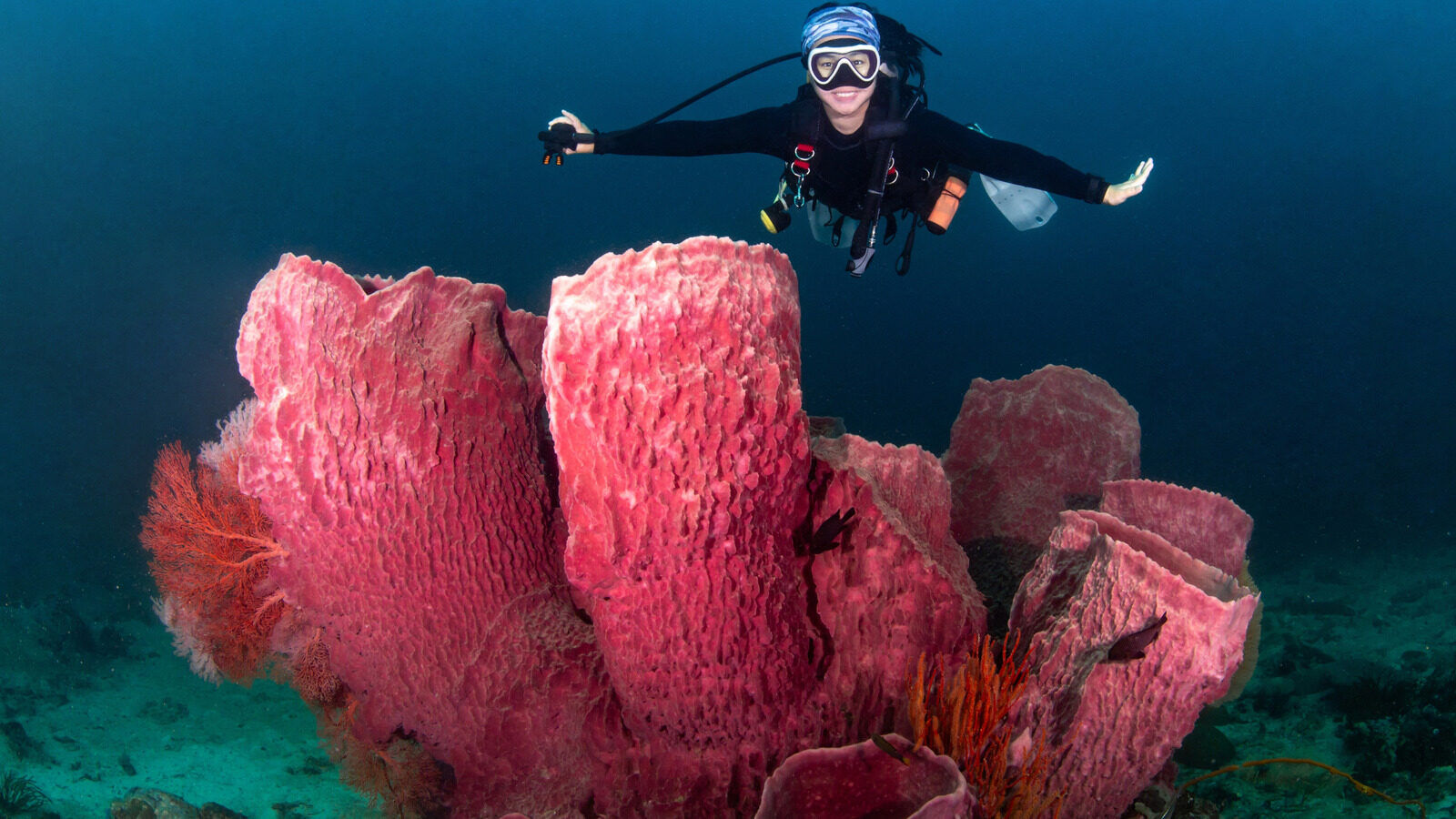
Sponges, often overlooked in discussions about animal biology, are another group that does not excrete waste in the traditional sense. These creatures filter-feed by drawing in water and extracting microorganisms. Sponges lack a formal digestive system, which means they do not produce poop as most animals do.
Instead, sponges rely on specialized cells known as choanocytes, which help in food uptake and waste elimination. Recent studies suggest that sponges may even possess the ability to “sneeze” to expel particulate waste. Here’s a summary of sponges and their unique feeding mechanism:
- Sponges filter food from surrounding water.
- They lack traditional digestive systems and do not produce waste as poop.
- Choanocytes play a crucial role in digestion and waste expulsion.
In conclusion, the animal kingdom showcases a remarkable diversity of adaptations. From Eiffinger’s tree frog tadpoles to sponges, these creatures reveal how life can thrive without conventional waste excretion. Their unique biological processes challenge our understanding of digestion and ecological interactions, highlighting the incredible complexity of life on Earth.