In the wild, survival often comes at a steep price. Among the myriad behaviors observed in the animal kingdom, one of the most unsettling is the act of filial cannibalism, where adult animals consume their own offspring. This phenomenon may seem shocking to human sensibilities, but for many species, it serves crucial evolutionary and survival purposes. Understanding the motivations behind this behavior reveals a complex interplay of instinct, environmental pressures, and biological necessity.
Here, we delve into various animal species known for this grim behavior and explore the reasons behind it. From the harsh realities faced by predators to the nuanced dynamics of parental care, the world of filial cannibalism is as fascinating as it is disturbing.
Reasons why hamsters eat their young
Hamsters, beloved for their cuteness and playful antics, have been known to engage in cannibalism under certain circumstances. The primary triggers include:
- Stress and Fear: A mother hamster may feel overwhelmed by the sudden responsibility of caring for a large litter, which can lead to stress-induced cannibalism.
- Human Interaction: If a human handles the pups, the mother’s perception of their scent might change, causing her to reject or attack them.
- Poor Nutrition: A diet lacking essential nutrients can lead to malnutrition, prompting the mother hamster to seek nourishment from her own offspring.
A 2014 study by researcher Mathilde Tissier highlighted the connection between diet and this behavior. Hamsters that consumed a diet primarily of corn were more likely to eat their young due to a deficiency in vitamin B3, leading to severe health issues.
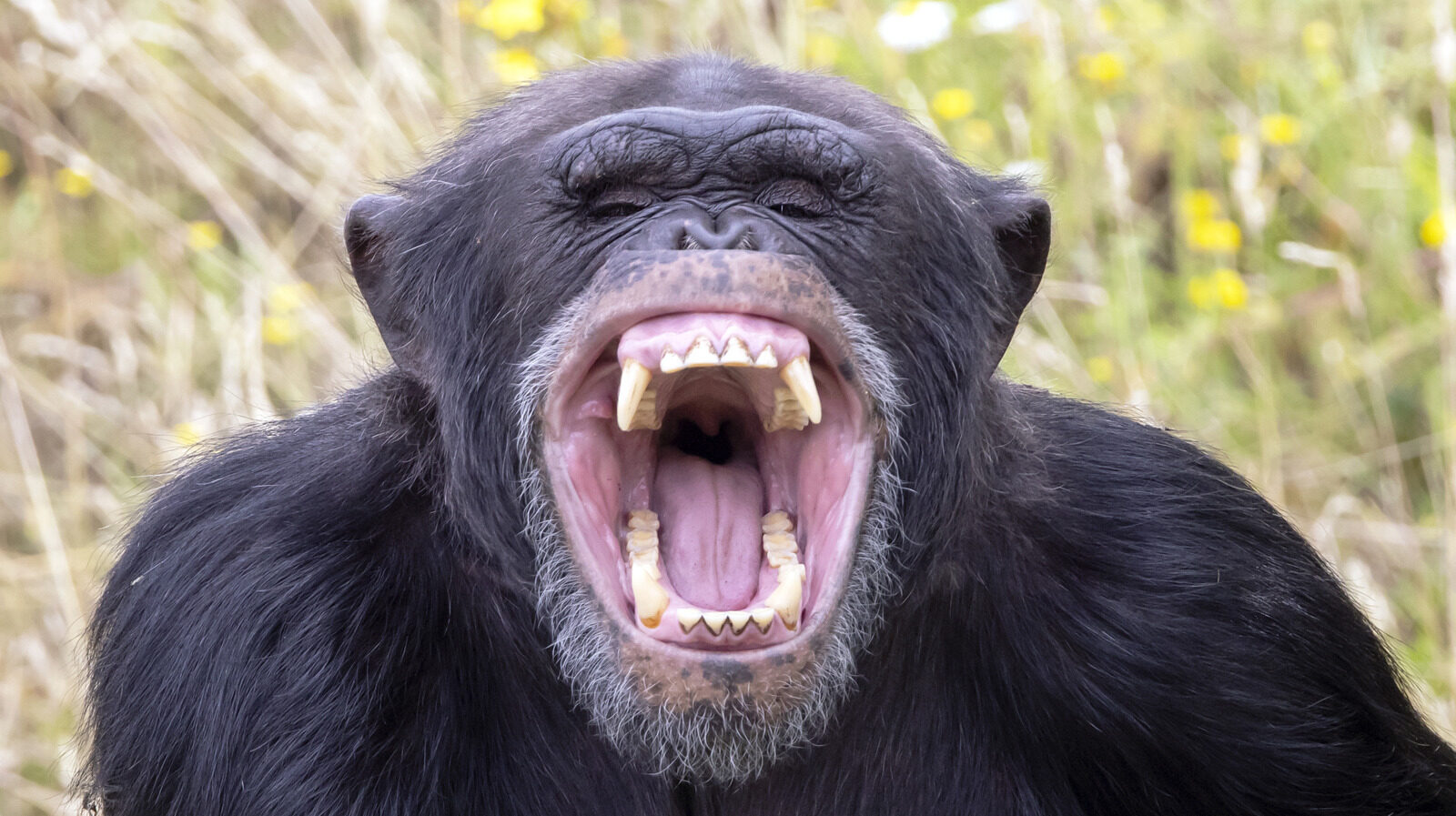
Chimpanzee males and their shocking behavior
Among the great apes, chimpanzees display some of the most intriguing, albeit unsettling behaviors. Male chimpanzees have been observed killing and consuming infant chimps. This act, while gruesome, is not driven by malice but rather by instinctual competition. Female chimps often isolate themselves when giving birth to avoid aggression from males. The underlying motives include:
- Reproductive Strategy: Males may kill infants to force females to become fertile sooner, increasing their chances of mating.
- Territorial Disputes: Infanticide can occur during power struggles, where a new male takes over a group and eliminates existing offspring.
This behavior reflects the brutal realities of survival in the wild, where the competition for resources and mating opportunities can lead to shocking acts.
Polar bears resorting to extreme measures
As apex predators of the Arctic, polar bears primarily rely on seals for sustenance. However, in times of food scarcity, these formidable animals may turn to their own cubs as a last resort. Key factors influencing this behavior include:
- Hunger: When seals are scarce, adult polar bears face significant energy deficits and may view cubs as potential food sources.
- Climate Change: The loss of sea ice has exacerbated food shortages, leading to increased instances of cannibalism among polar bears.
- Survival Instincts: In a desperate bid to survive, an adult bear may prioritize its own life over that of its young.
This behavior underscores the harsh realities of survival in an increasingly unstable ecosystem.
Burton’s mouthbrooder: A unique case of maternal cannibalism
The cichlid fish, known as Burton’s mouthbrooder, provides a fascinating example of filial cannibalism in the aquatic realm. Female mouthbrooders protect their fertilized eggs by carrying them in their mouths. However, as this process continues, the female may occasionally consume some of her young:
 Animals Talk Christmas Eve: Myths & Legends of Speaking Beasts
- Resource Management: Carrying a large brood can limit the mother’s ability to eat and breathe, leading her to consume a portion of her offspring to sustain herself.
- Survival of the Fittest: This behavior can also be seen as a means to ensure that the healthiest young survive to maturity.
Research indicates that this behavior is more frequent than once thought, revealing the sacrifices made by mothers in the wild.
Capuchin monkeys’ unusual approach to infant cannibalism
Capuchin monkeys, often admired for their intelligence and dexterity, also exhibit cannibalistic tendencies, although these events are rare. When such incidents occur, they are typically linked to:
- Infant Mortality: Babies that die shortly after birth may be consumed by others in the group.
- Social Hierarchy: In certain cases, aggressive behaviors can lead to the death and subsequent consumption of infants.
A notable observation came in 2019 when a capuchin group consumed a fallen infant after determining it was dead, highlighting both the complexity of their social structures and the harsh realities of survival.
Jaguar cannibalism: A surprising twist in big cat behavior
Jaguars, known for their strength and beauty, also engage in cannibalism, albeit infrequently. Instances of maternal jaguars consuming their young may occur under specific conditions:
- Stress and Lack of Resources: If a mother is unable to secure enough food, her survival instincts may lead her to consume her cubs.
- Dead Offspring: Mothers may eat deceased cubs to avoid attracting predators or to reclaim nutrients.
While jaguars are elusive and difficult to study, these cases illustrate the ruthlessness of nature and the survival instincts that drive even the most majestic creatures.
Frogs and their cannibalistic tendencies
Frogs are often perceived as benign creatures, but many species display cannibalistic behaviors, particularly towards their young. Factors contributing to this include:
- Survival Strategy: In times of scarcity, frogs may resort to eating their own offspring to survive.
- Invasive Species Behavior: Certain invasive species, like the cane toad, have developed traits that promote cannibalism among their young.
This behavior serves as a stark reminder of the brutal realities of life in the wild, where survival often hinges on rapid adaptation and ruthless choices.
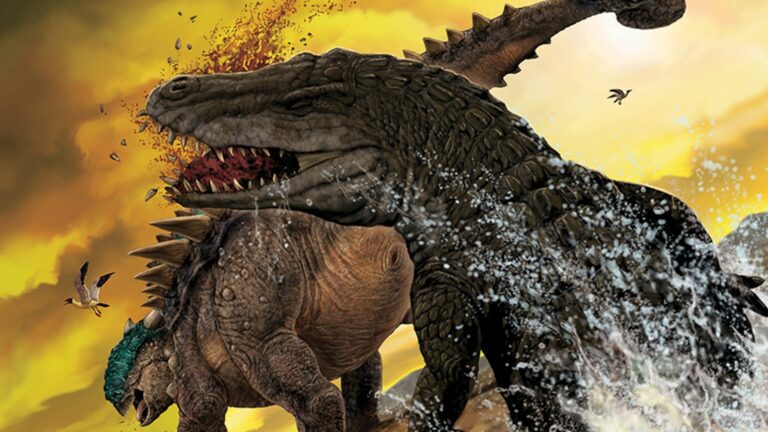
Alligator cannibalism: A grim reality
Young alligators face numerous threats in their natural habitats, including predation from their own species. Adult alligators may consume juvenile members, and various factors contribute to this behavior:
- Natural Predation: Adult alligators are opportunistic feeders and will consume young alligators when other food sources are scarce.
- Population Control: This behavior may serve as a method of maintaining population balance within their ecosystem.
Research has shown that a significant percentage of juvenile alligators fall victim to older alligators, emphasizing the dangers these young reptiles face from their elders.
Rats and their desperate measures
Rats are highly adaptable creatures and can exhibit extreme behaviors in times of crisis. During the COVID-19 pandemic, many rat populations faced food shortages, leading to cannibalistic behaviors:
- Food Scarcity: With restaurants closed and waste reduced, rats turned to cannibalism as a survival strategy.
- Population Pressure: Increased competition for dwindling resources often leads to aggressive behaviors, including eating young.
Rodentologist Bobby Corrigan noted that such behaviors are not typical for rats under normal conditions, highlighting how dire circumstances can lead to drastic actions.
Scorpions: A nursery that doubles as a pantry
Mother scorpions carry their young on their backs for protection, but this maternal care can take a dark turn:
- Resource Limitation: If a mother scorpion cannot find enough food for herself, she may resort to consuming her young.
- Survival of the Fittest: This behavior can ensure that only the strongest offspring survive.
While it may seem harsh, this behavior is a testament to the brutal realities of survival in the wild.
Chickens and their egg-eating habits
Chickens, while domesticated, can demonstrate surprising behaviors, including eating their own eggs. This phenomenon may arise from:
- Nutritional Deficiencies: Chickens may peck at eggs if their diet lacks essential nutrients.
- Curiosity: Chickens are naturally curious creatures and may experiment with eggs, leading to the discovery that they are a food source.
Farmers often employ various strategies to prevent this behavior, such as ensuring a balanced diet and maintaining a clean living environment.