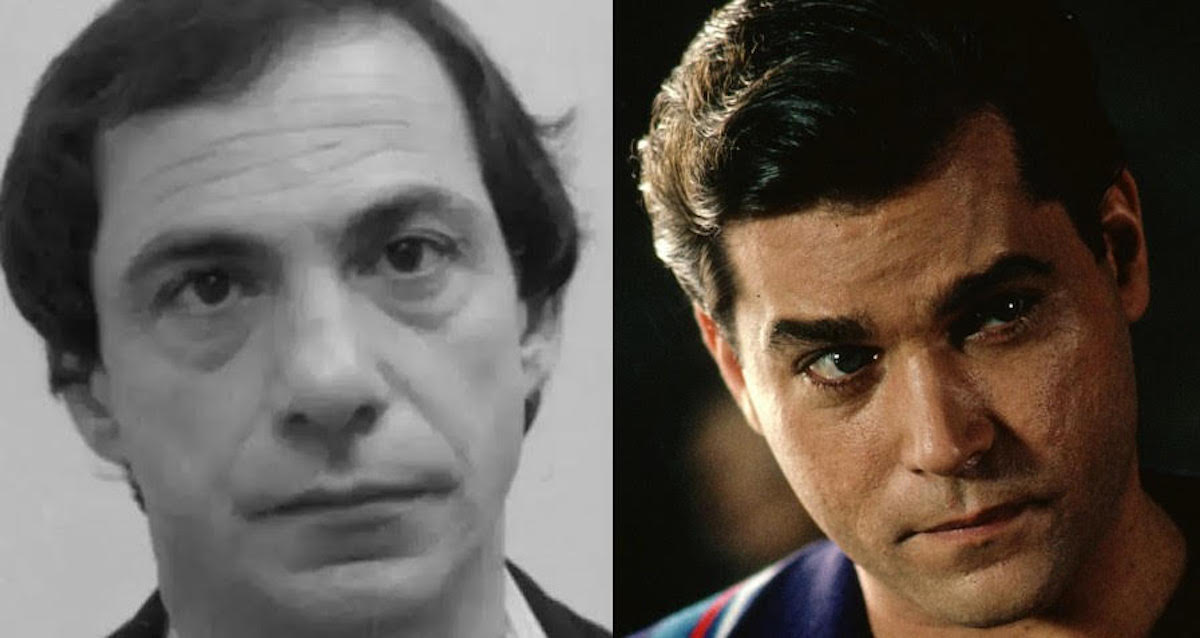
Let’s dive into the captivating story of Henry Hill, a name that became synonymous with organized crime in America. His life was a rollercoaster of thrills and danger, taking him from the streets of Brooklyn to the heart of the Mafia world. You might recognize his name from the iconic film “Goodfellas,” but this isn’t just a movie plot; it’s based on the real-life experiences of the real Henry Hill, documented in Nicholas Pileggi’s compelling book, “Wiseguy.”
Hill wasn’t born into this life; he was drawn to it. The allure of power and wealth, coupled with a sense of belonging within a tight-knit group, led him down a path he couldn’t escape. He started young, learning the ropes from seasoned mobsters like Paul Vario. His world revolved around illegal activities – think arson, hijacking trucks, assaulting rivals, credit card fraud, extortion, and eventually even drug trafficking. This wasn’t your typical neighborhood gang; Hill was deeply involved with the powerful Lucchese crime family.
His story isn’t just about violence and greed, though. It’s also a journey of betrayal, paranoia, and ultimately, survival. When things got too risky, Hill made a life-altering decision – he became an informant for the FBI. This risky move led to convictions for some of his former associates, including Vario and the notorious Jimmy Burke. But even with this new chapter in his life, escaping his past proved difficult. His story is a reminder that sometimes, no matter how hard you try to leave behind your old life, it has a way of catching up to you.
From Brooklyn Streets to Organized Crime
Henry Hill’s story begins in the bustling neighborhoods of Brooklyn, New York. Growing up there in the 1950s and 60s, he was surrounded by a world where respect came from being tough, loyal, and willing to bend (or break) the rules. The allure of power and belonging within a close-knit group quickly drew him in. He wasn’t born into organized crime, but it felt like his destiny.
He started small, learning from older boys who were already involved in petty theft and other illegal activities. This was just a taste of the life that awaited him, though. Hill’s path led him directly into the arms of Paul Vario, a notorious mobster with ties to the Lucchese crime family. Under Vario’s tutelage, Hill learned the ropes – how to operate under the radar, how to build trust, and most importantly, how to make money outside the law.
It wasn’t just about the thrill; there was a real sense of community among these men. They looked out for each other, shared in their spoils, and lived by a strict code of honor (or at least that’s what they believed). This brotherhood became his family, and the real Henry Hill found himself more and more entangled in the world of organized crime.
The Lufthansa Heist and Its Consequences
The Lufthansa heist of 1978 became a defining moment in Henry Hill’s life – and ultimately, his undoing. This wasn’t just another robbery; it was a meticulously planned operation that targeted the cargo vault at JFK Airport. The stakes were sky-high, with millions of dollars in cash and valuables on the line. Hill played a key role in the planning and execution of this audacious heist, alongside notorious figures like Jimmy Burke and Tommy DeSimone.
They pulled it off successfully, disappearing with a massive haul that seemed too good to be true. But as any seasoned criminal knows, success often breeds paranoia. The sheer amount of money involved created a toxic environment within the Vario crew. Suspicions ran rampant, and loyalty became fleeting. Burke, particularly, became increasingly ruthless, sensing the growing threat from rivals and even his own crewmates.
Hill found himself caught in the crossfire. He’d seen this kind of chaos before, but this time felt different. The Lufthansa heist had thrown him into a world where trust was nonexistent and danger lurked around every corner. He began to realize that his involvement with Burke and the Vario crew had escalated far beyond anything he could control. Negary Hill
Becoming an Informant: Fear and Betrayal
As the paranoia and violence within the crew intensified, Henry Hill found himself facing a terrifying truth: his life was in danger. Burke’s unpredictable nature and thirst for power had made him a liability to everyone around him, including Hill. He realized that staying loyal would only lead to one outcome – death.
He knew he needed to make a drastic change. The risk was immense, but the thought of being silenced permanently by his former friends spurred him into action. In 1980, Henry Hill made the impossible decision: he became an informant for the FBI. It was a betrayal of everything he’d ever known, a complete break from the world that had consumed him for so long.
He provided detailed accounts of the crew’s activities, including their involvement in the Lufthansa heist and other crimes. This information led to convictions for several key members, including Vario and Burke. But becoming an informant was just the beginning of his new struggle. He entered the Witness Protection Program, hoping for a fresh start, but the past wouldn’t let him go.
Life Under Witness Protection and Beyond
Witness protection was supposed to be a shield, a way for Hill to escape the long shadow of his past. He got a new identity, a new life, but the reality was far from idyllic. The constant fear of exposure, the isolation from loved ones, and the gnawing feeling that he’d never truly be free weighed heavily on him.
He struggled with the mundane details of his new existence, craving the excitement and camaraderie he’d once found in the underworld. To make matters worse, Hill made mistakes – he got involved in minor criminal activities, even revealing bits of his past identity. These slip-ups led to repeated arrests and ultimately, his removal from the program.
Hill’s story became a cautionary tale about the enduring power of the past. Even with a new life, he couldn’t outrun who he once was. He died in 2012 from heart disease, leaving behind a legacy that continues to fascinate and horrify. The real Henry Hill’s story serves as a reminder that some choices have consequences that ripple through lifetimes.
A Legacy in Film and Memory
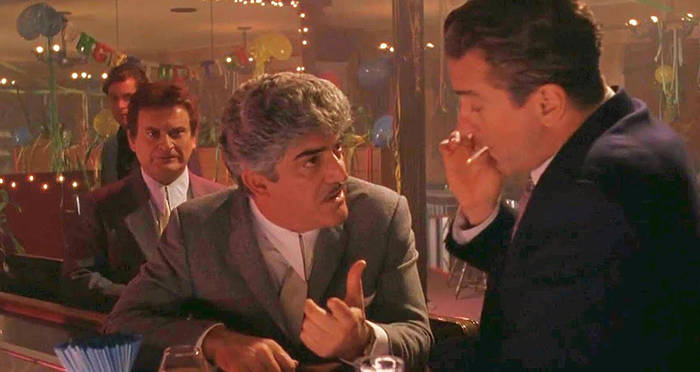
Henry Hill’s life story transcended the world of true crime and entered popular culture through Martin Scorsese’s iconic film “Goodfellas,” based on Nicholas Pileggi’s book “Wiseguy.” The movie captured the allure and brutality of mobster life, with stellar performances from Robert De Niro, Joe Pesci, and Ray Liotta. It became a cinematic masterpiece, solidifying Hill’s place in history as a notorious figure whose story resonated with audiences worldwide.
“Goodfellas” brought Hill’s tale to a wider audience, sparking fascination and debate about organized crime. It explored the complexities of loyalty, betrayal, and the seductive nature of power within a criminal underworld. The film’s impact was undeniable, shaping how we perceive mobster culture and reminding us that real-life stories can be just as gripping (and tragic) as any fictional narrative.
Even though the real Henry Hill might have wanted to escape his past, his story became permanently etched in the collective memory. He remains a complex and intriguing figure – a cautionary tale about the consequences of choosing a life outside the law.